






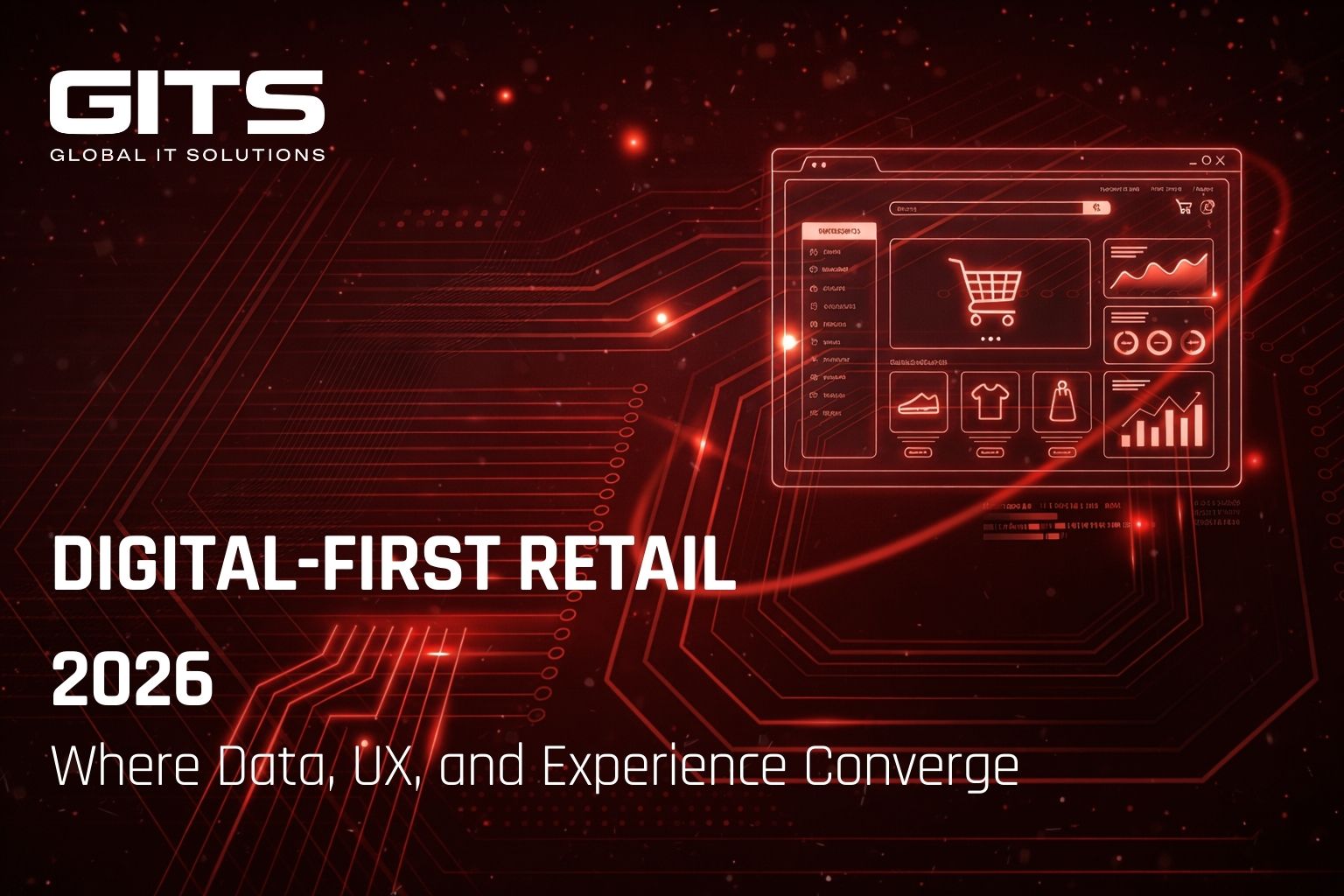
Retail web trends 2026 show a clear shift in how retailers design and manage their digital presence. As digital touchpoints become more central to retail, companies are rethinking their online strategies. In recent conversations with retail clients, we see a strong movement toward website renewal, especially among shopping malls and large retail brands.
–
Therefore, this trend reflects a deeper change in how retailers view their websites. Instead of treating websites as static information pages, companies now see them as strategic assets. These assets directly shape the customer journey and overall brand experience.
–
Moreover, shopping malls are especially focused on this transformation. They aim to build a seamless digital extension of the physical mall experience. In practice, this means creating online environments that feel as intuitive and engaging as in-person visits.
–
At the same time, modern retail websites must do more than look good. They must guide users clearly, personalize content effectively, and enable immersive interactions. For example, interactive mall maps help visitors navigate easily. Meanwhile, AI-driven personalization recommends relevant stores, promotions, and events.
As a result, digital experiences are becoming more dynamic, relevant, and user-centered.
Key focus areas shaping Retail UI/UX in 2026
Several trends are now shaping retail digital strategies. These trends are becoming priorities for forward-thinking retailers.
–
First, experience-first web design for shopping malls is gaining momentum.
Retailers now design websites around user journeys, not just page layouts. Consequently, browsing feels more natural and frictionless.
–
Second, AI-powered personalization is playing a bigger role.
By using data and machine learning, retailers can deliver tailored recommendations. In addition, personalized content increases engagement and conversion rates.
–
Third, interactive maps and immersive browsing are becoming standard.
Digital wayfinding tools and 3D visualizations help users explore malls virtually. This approach bridges the gap between online and offline experiences.
–
Fourth, mobile-first performance remains critical.
Most users access retail websites via smartphones. Therefore, fast loading speeds and intuitive mobile design are essential for customer retention.
Website renewal as a strategic imperative
In 2026, website renewal in retail is no longer just a redesign project. Instead, it has become a strategic transformation of the entire customer journey. Retailers now align digital initiatives with broader business goals.
–
However, successful transformation requires strong technical and strategic support. This is where GITS plays a key role.
–
As a leading provider of Vietnam IT Outsourcing services, GITS helps global retailers modernize their digital platforms. We combine deep technical expertise with strong UI/UX design capabilities. In addition, we bring practical experience in enterprise-scale systems and digital transformation projects.
–
Through consulting, software development, and managed services, GITS supports retailers at every stage of their digital journey. We help businesses redesign user experiences, optimize performance, and build scalable platforms.
–
Ultimately, retail companies that invest strategically in website renewal will gain a competitive advantage. Those that embrace digital-first experiences will be better positioned for long-term success.