





AI is rapidly reshaping how enterprises design and optimize workflows, moving beyond simple automation toward intelligent decision-making systems. While chatbots have long been used to streamline communication, AI agents are emerging as a more advanced solution capable of autonomous task execution. Understanding the difference between AI agents and chatbots is critical for organizations pursuing AX (AI Transformation).
This article explores how each technology fits into enterprise workflows and how businesses can leverage them effectively.
What Is AI Agent vs Chatbot in Enterprise Context
In enterprise environments, both chatbots and AI agents are designed to automate processes, but their capabilities and roles differ significantly.
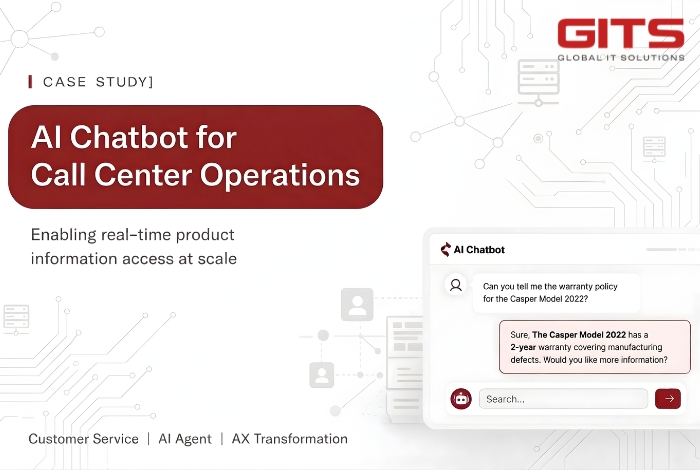
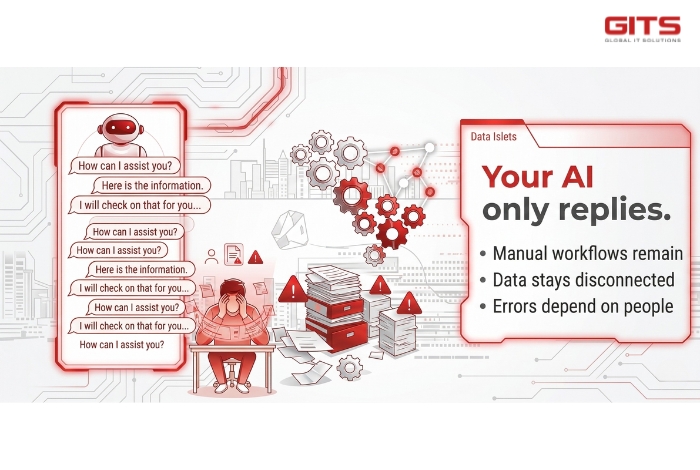
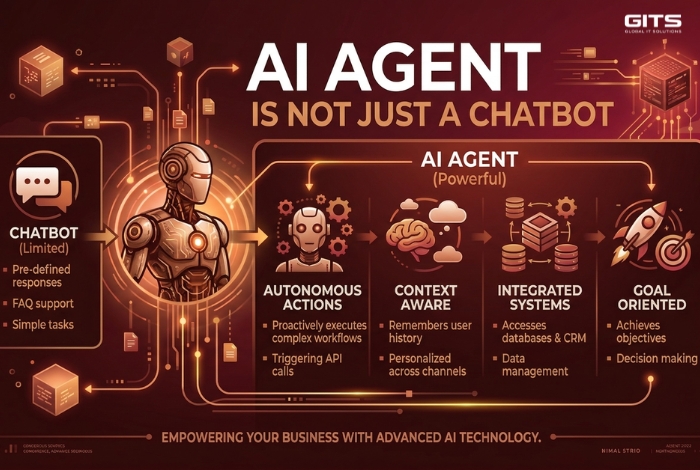
A chatbot is a rule-based or AI-powered system primarily designed to simulate conversations with users. It typically handles predefined queries, such as customer support or internal FAQs.
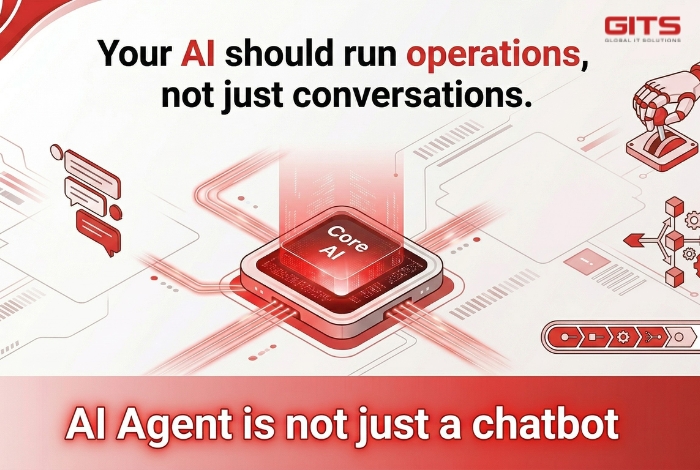
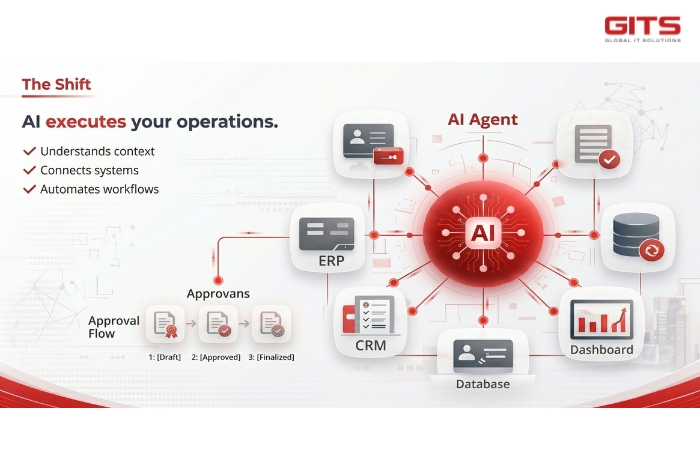
An AI agent, on the other hand, is a more advanced system that can perceive data, make decisions, and execute multi-step tasks autonomously. AI agents go beyond conversation—they act.
Key Differences
– Scope
+ Chatbot: Limited to interaction
+ AI Agent: End-to-end task execution
– Decision-making
+ Chatbot: Predefined or scripted
+ AI Agent: Context-aware and adaptive
– Integration
+ Chatbot: Front-end interface
+ AI Agent: Deep system integration across workflows
In short, chatbots assist users, while AI agents operate as digital workers within enterprise systems.
Why AI Matters in Modern Enterprise Workflows
AI has become a cornerstone of digital transformation strategies, particularly in enterprises aiming to improve efficiency and scalability.
Traditional automation tools often rely on static rules. However, modern business environments require systems that can:
– Adapt to dynamic data inputs
– Handle complex workflows
– Make real-time decisions
This is where AI agents outperform chatbots.
Business Drivers Behind AI Adoption
– Operational complexity is increasing across industries
– Customer expectations demand faster and more personalized responses
– Workforce optimization requires automation beyond repetitive tasks
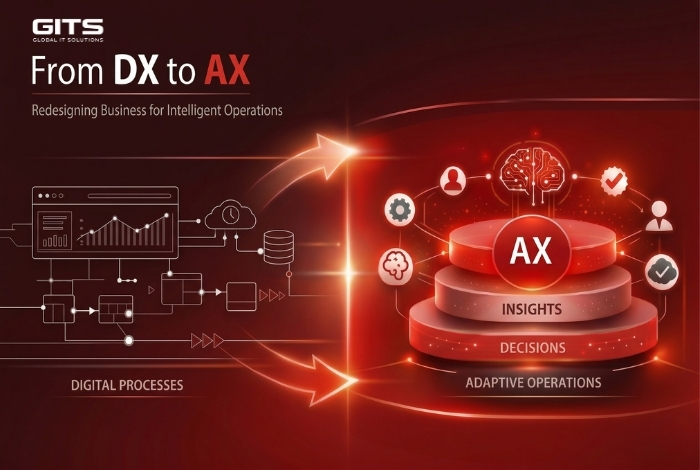
AI enables organizations to transition from simple automation to intelligent orchestration, a key component of AX initiatives.
How AI Agents and Chatbots Work
Understanding the underlying mechanisms helps clarify their roles in enterprise systems.
How Chatbots Work
Chatbots operate through:
– Predefined scripts or decision trees
– Natural Language Processing (NLP) for understanding queries
– Integration with knowledge bases
They are effective for:
– Customer service inquiries
– HR FAQs
– Basic troubleshooting
How AI Agents Work
AI agents combine multiple technologies:
– Machine Learning models for decision-making
– Workflow engines for task execution
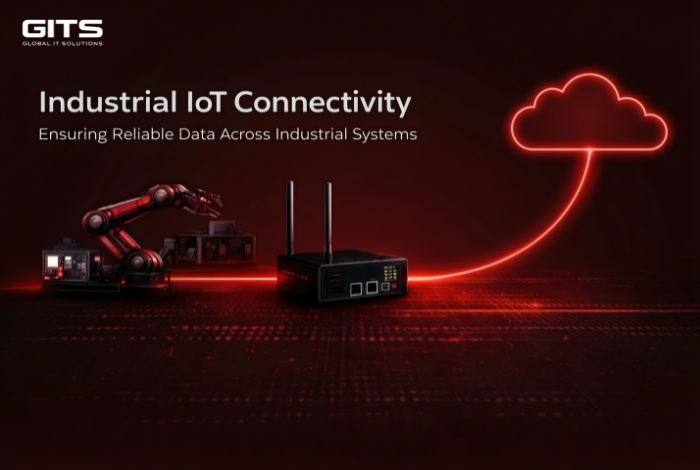
– API integrations with enterprise systems (ERP, CRM, IoT platforms)
They function through a loop:
1, Perceive data from systems or users
2, Analyze context using AI models
3, Decide optimal actions
4, Execute tasks across systems
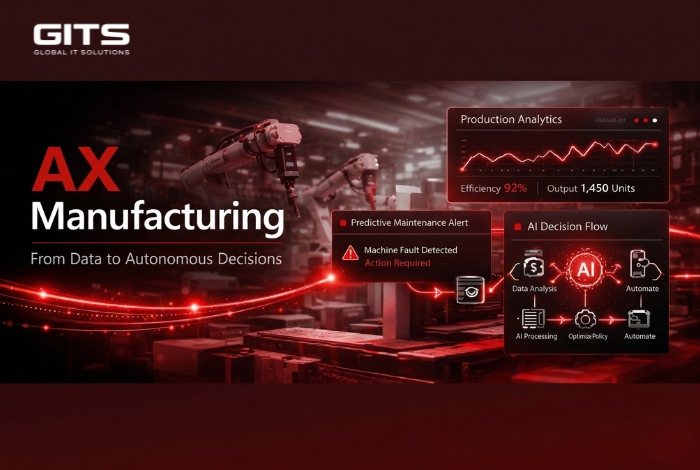
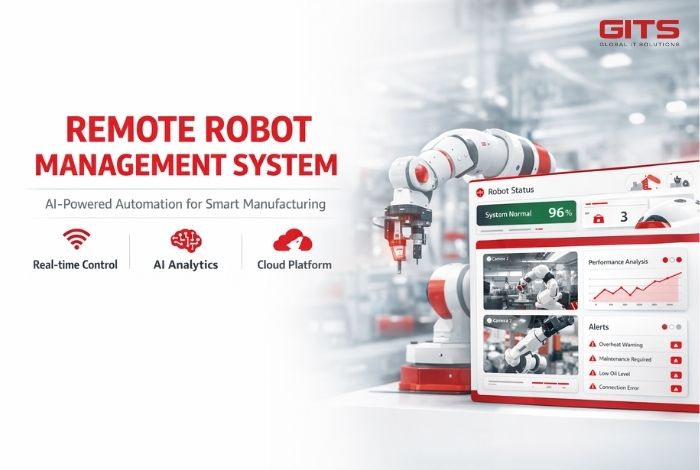
This enables AI agents to manage complex workflows such as supply chain coordination or predictive maintenance.
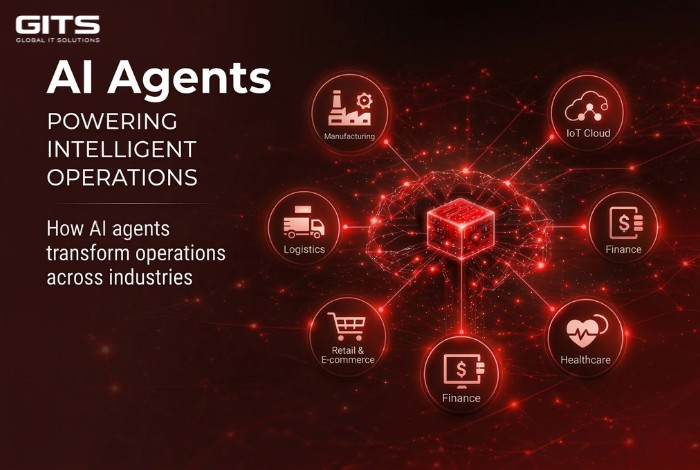
>>> See More: AI Agent Enabling Intelligent Operations Across Industries
Key Applications Across Industries
AI agents and chatbots serve different but complementary roles across sectors.
Manufacturing
– Chatbots: Support internal queries for production teams
– AI Agents:
+ Predict equipment failures
+ Optimize production schedules
+ Integrate with IoT systems for real-time monitoring
Logistics
– Chatbots: Customer shipment tracking
– AI Agents:
+ Route optimization
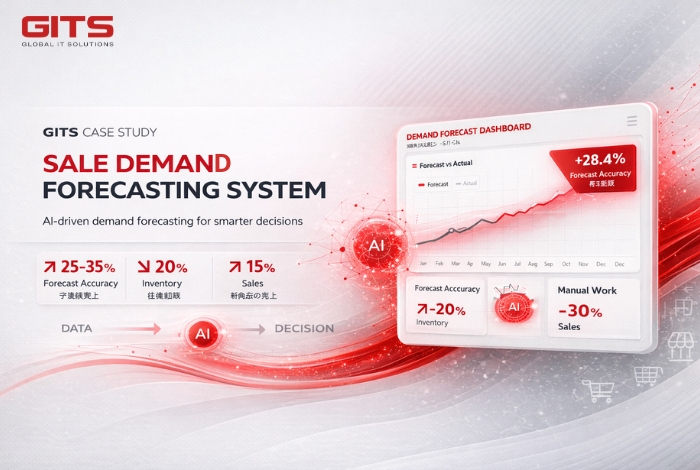
+ Demand forecasting
+ Warehouse automation
Finance
– Chatbots: Customer service and account inquiries
– AI Agents:
+ Fraud detection
+ Automated risk assessment
+ Portfolio optimization
Healthcare
– Chatbots: Appointment scheduling, patient inquiries
– AI Agents:
+ Clinical decision support
+ Patient data analysis
+ Workflow automation in hospitals
Retail
– Chatbots: Product recommendations, customer support
– AI Agents:
+ Inventory optimization
+ Dynamic pricing
+ Personalized marketing automation
Benefits of AI Agent for Businesses
AI adoption, particularly through AI agents, delivers measurable business value.
Operational Efficiency
– Reduces manual workload
– Automates complex multi-step processes
– Improves process accuracy
Enhanced Decision-Making
– Data-driven insights in real time
– Predictive analytics capabilities
– Reduced human bias in decisions
Cost Optimization
– Lower operational costs through automation
– Reduced downtime in manufacturing and logistics
– Efficient resource allocation
Scalability
– Easily adapts to growing business demands
– Supports global operations
– Enables 24/7 system performance
AI agents, in particular, enable enterprises to scale operations without proportional increases in workforce.
Challenges and Considerations
Despite the benefits, implementing AI in enterprise workflows requires careful planning.
Integration Complexity
– Legacy systems may not support AI integration
– Requires robust API and data infrastructure
Data Quality and Availability
– AI systems depend on high-quality data
– Inconsistent or siloed data can limit effectiveness
Change Management
– Employees may resist automation
– Requires training and organizational alignment
Governance and Security
– AI decisions must be transparent and auditable
– Data privacy and compliance are critical, especially in regulated industries
Enterprises must align AI adoption with business strategy to maximize ROI.
Future Trends of AI in Enterprise Workflows
AI is evolving rapidly, and its role in enterprise workflows will continue to expand.
Rise of Autonomous Enterprises
AI agents will increasingly manage end-to-end processes with minimal human intervention.
Integration with IoT and Cloud
– AI + IoT enables real-time decision-making
– Cloud platforms provide scalability and flexibility
Hyperautomation
Combining AI, RPA, and analytics to automate entire business ecosystems.
AI Agent in AX (AI Transformation)
AI will become the foundation of enterprise transformation strategies, enabling:
– Smarter operations
– Faster innovation cycles
– Data-driven business models
From Conversation to Autonomous Execution: Redefining Enterprise Workflows with AI
AI is redefining enterprise workflows by moving beyond simple interaction tools like chatbots toward intelligent, autonomous systems such as AI agents. While chatbots remain valuable for communication and support, AI agents unlock deeper operational efficiency by executing complex tasks and enabling real-time decision-making.
Explore how GITS helps enterprises adopt advanced technologies to drive smarter and more efficient operations.