






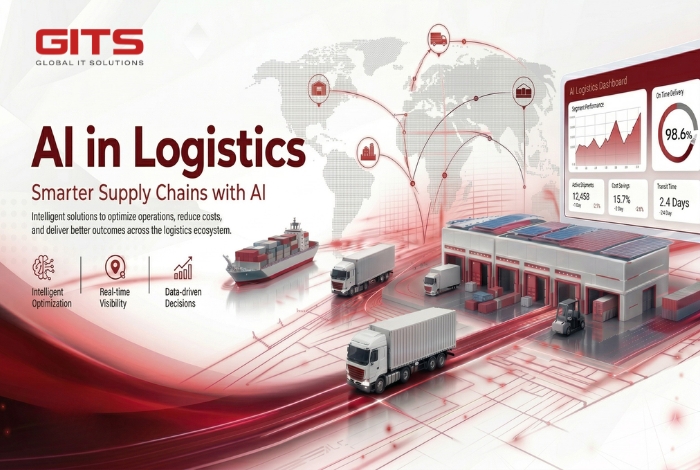
In today’s increasingly complex global supply chains, AI in logistics has evolved from an optional innovation into a strategic necessity. For enterprises in Japan and South Korea, where precision, efficiency, and cost optimization are critical, AI is driving a fundamental transformation across logistics and transportation ecosystems.
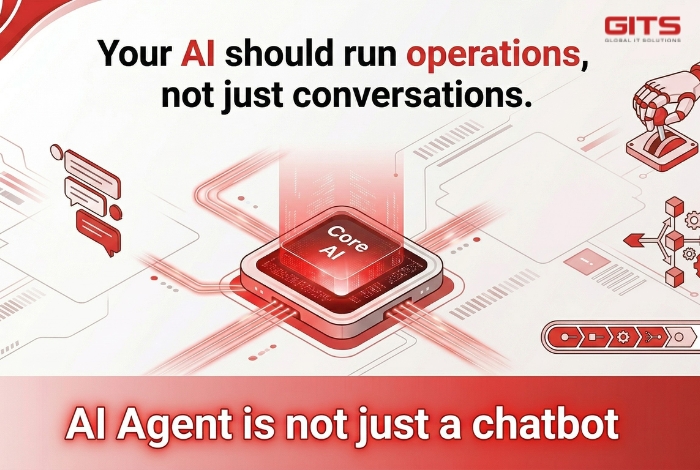
From a B2B technology perspective, AI goes beyond automation. It enables predictive analytics, real time decision making, and intelligent orchestration. This creates a foundation for agile, resilient, and data driven operations that align with the high standards of Japanese and Korean enterprises.
Core business value of AI in logistics
AI in logistics delivers measurable value by enhancing four key operational pillars.
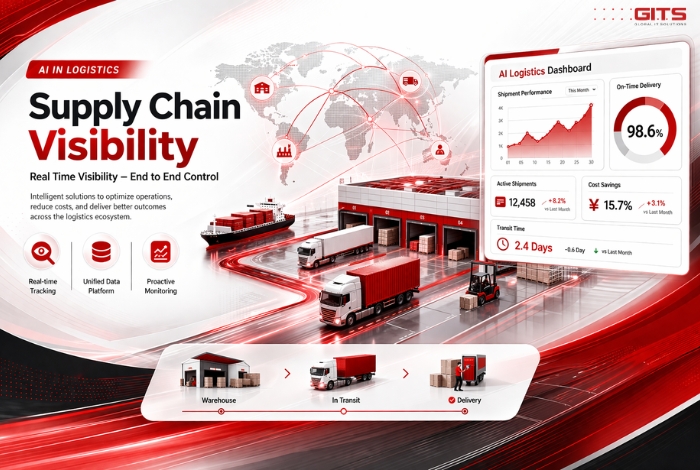
Enhancing end to end supply chain visibility
AI enables real time tracking across the entire logistics network, from warehouse to last mile delivery. This level of visibility is essential for enterprises in Japan and Korea that prioritize transparency and risk control.
By integrating data from IoT devices, GPS systems, and ERP platforms, AI provides a unified and actionable view of operations.
Optimizing dispatching and resource allocation
AI powered systems automate dispatching by analyzing historical data, traffic conditions, and demand fluctuations. This allows enterprises to minimize idle time, improve fleet utilization, and increase delivery efficiency.
Intelligent exception handling
Operational disruptions are inevitable in logistics. AI can proactively detect anomalies such as delays, system errors, or supply chain interruptions, enabling rapid and informed responses.
This reduces operational risks and ensures service continuity in high demand environments.
Advanced route optimization
AI continuously evaluates multiple variables including traffic, weather, and fuel costs to determine the most efficient delivery routes. This leads to reduced operational expenses and improved delivery performance.
The role of AI in transportation within logistics ecosystems
AI in transportation plays a critical role in enabling intelligent logistics operations. It focuses on optimizing fleet management, transportation planning, and execution.
Applying AX in smart transportation
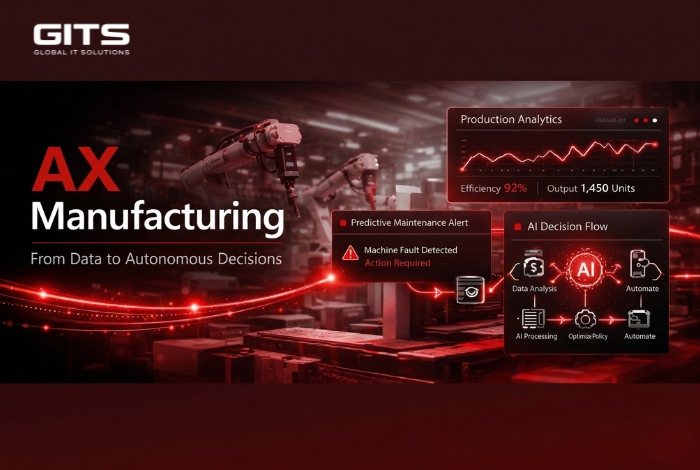
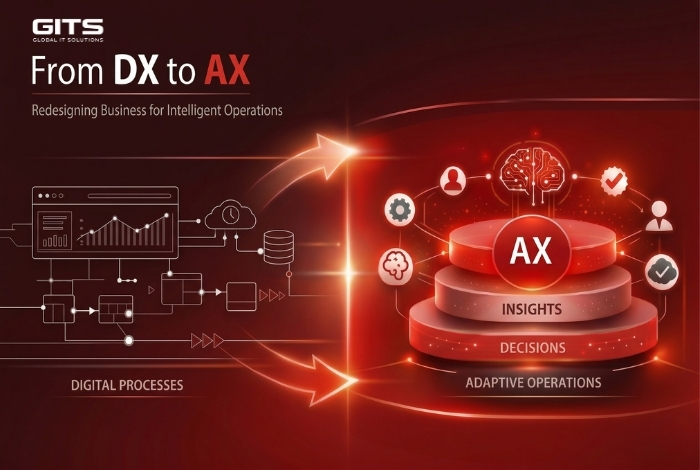
AX, or AI transformation, extends beyond digitalization to redefine operational experiences. In transportation, AX enhances both internal workflows and customer facing services.
Drivers receive optimized dispatch instructions through AI systems, while customers benefit from accurate real time tracking and improved service reliability.
Integrating multi source data systems
AI in transportation enables seamless integration across diverse data sources, creating a unified operational platform. This is particularly important for Japanese and Korean enterprises, which require high levels of data consistency and standardization.
IT Outsourcing as a strategic approach to AI adoption
For many enterprises, building AI systems in house requires significant investment and specialized expertise. This makes IT Outsourcing a practical and strategic alternative.
Advantages of Vietnam IT Outsourcing
Vietnam IT Outsourcing has become an attractive destination for Japanese and Korean companies due to several key advantages.
First, a highly skilled workforce with competitive cost structures.
Second, strong capabilities in emerging technologies such as AI and Machine Learning.
Third, cultural compatibility and a collaborative working approach that supports long term partnerships.
Accelerating implementation and reducing risks
Through IT Outsourcing, enterprises can accelerate the deployment of AI in logistics while minimizing technical and operational risks. Technology partners can support the full lifecycle from consulting and development to system operation and optimization.
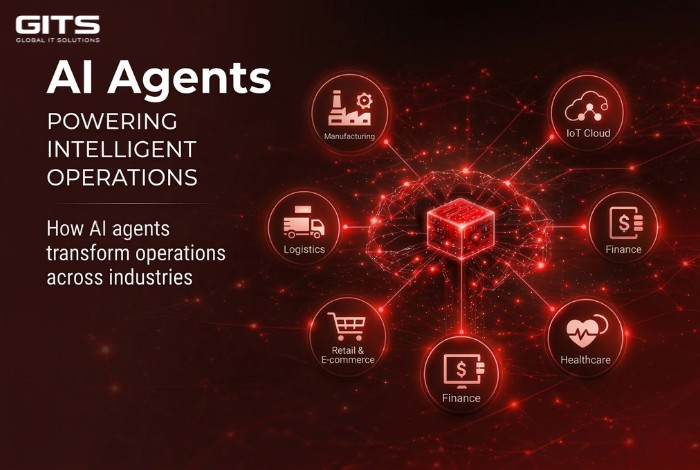
>>> See More: AI Agent Enabling Intelligent Operations Across Industries
Strategic roadmap for AI in logistics adoption in Japan and Korea
To maximize impact, enterprises should adopt a structured and phased approach to AI implementation.
Assess current systems and define objectives
Organizations need to evaluate existing infrastructure, identify operational bottlenecks, and define clear business goals for AI adoption.
Select the right technology partner
Choosing an experienced IT Outsourcing partner with expertise in logistics and AI is critical to ensure successful implementation.
Implement in phases with scalable use cases
Rather than deploying AI across all operations at once, enterprises should start with targeted use cases such as route optimization or demand forecasting, then scale gradually.
Enabling smart logistics through AI and outsourcing
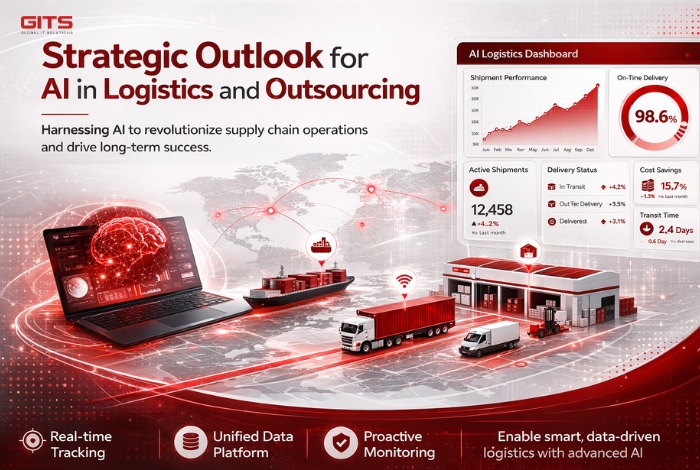
AI in logistics is redefining how supply chains and transportation systems operate in the modern era. For enterprises in Japan and South Korea, integrating AI with AX and AI in transportation is not only a way to optimize costs but also a strategic move to enhance operational excellence and customer experience.
In this context, Vietnam IT Outsourcing emerges as a powerful enabler, allowing businesses to access advanced technologies efficiently and cost effectively. GITS stands as a trusted partner in this transformation journey, delivering tailored AI solutions aligned with industry specific needs.
Explore more about GITS services and technology solutions to lead your business in the era of intelligent logistics.