






7 Essential Features of a Modern Transportation Management System
As supply chains become increasingly complex, businesses face growing pressure to reduce logistics costs, improve delivery performance, and maintain greater control over transportation operations. However, many companies still rely on spreadsheets, manual coordination, and disconnected systems to manage shipments and fleets. These fragmented processes often lead to operational inefficiencies, limited visibility, and unnecessary transportation expenses.
For manufacturers, retailers, distributors, and logistics providers, digitalizing transportation operations is no longer optional. A modern Transportation Management System (TMS) provides the technology foundation to streamline workflows, optimize resources, and build a more agile and cost-efficient supply chain.
But what makes a TMS truly effective? Here are seven essential features businesses should consider.
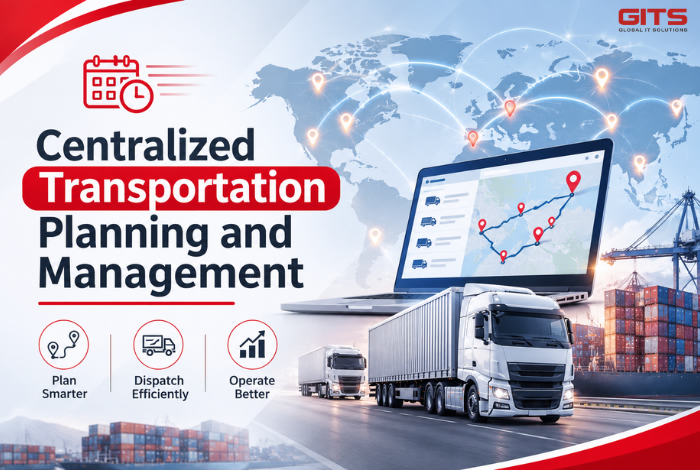
Centralized Transportation Planning and Management
Managing multiple orders, vehicles, drivers, and delivery destinations simultaneously can quickly become overwhelming, especially when information is scattered across different platforms.
A modern Transportation Management System centralizes transportation planning and execution within a single platform. It enables businesses to manage shipping orders, assign vehicles, coordinate drivers, and monitor delivery schedules more efficiently.
By providing real-time operational updates, the system helps dispatchers respond quickly to changes, reduce manual coordination, and maintain consistent transportation workflows.
For manufacturers and distributors, centralized management also improves coordination between warehouse operations and transportation planning, ensuring shipments are dispatched on schedule.
Intelligent Route Optimization
Inefficient delivery routes increase fuel consumption, vehicle operating costs, and delivery times. These challenges become even more significant for businesses handling multiple delivery locations or large distribution networks.
Route Optimization enables TMS platforms to calculate efficient transportation routes based on distance, traffic conditions, vehicle capacity, delivery windows, and operational constraints.
With AI-powered algorithms, businesses can dynamically adjust routes when unexpected traffic, delivery changes, or transportation disruptions occur.
This helps reduce unnecessary mileage, minimize empty trips, improve vehicle utilization, and lower overall logistics costs.
Real-time Shipment and Vehicle Tracking
Limited shipment visibility makes it difficult for businesses to respond to delays, manage customer expectations, and maintain reliable delivery schedules.
A modern TMS integrates GPS technology, mobile applications, and tracking systems to provide real-time visibility into transportation activities.
Managers can monitor vehicle locations, shipment statuses, estimated arrival times (ETA), and delivery progress through a centralized dashboard.
Automated alerts can also notify relevant teams about delivery delays, route deviations, unexpected stops, or potential disruptions.
This level of transparency enables faster decision-making, proactive issue resolution, and a more reliable delivery experience.
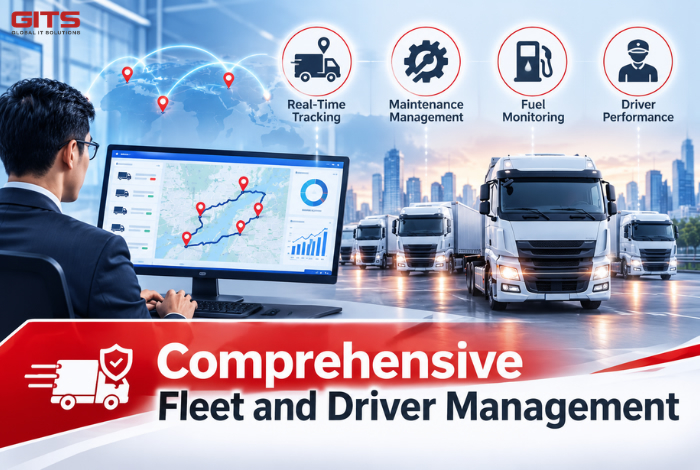
Comprehensive Fleet and Driver Management
For businesses operating large fleets, managing vehicles involves more than tracking their locations. It also requires monitoring vehicle conditions, maintenance schedules, fuel consumption, and driver performance.
An effective Transportation Management System provides centralized fleet management capabilities, including vehicle records, driver information, maintenance history, and operational schedules.
It can also track key performance indicators (KPIs), such as vehicle utilization, fuel efficiency, completed trips, on-time delivery rates, and driver productivity.
By analyzing these metrics, businesses can identify underutilized assets, prevent unexpected maintenance costs, and improve fleet performance.
Transportation Cost Control and Automated Freight Settlement
Transportation expenses often include fuel, tolls, outsourced carrier fees, handling charges, and additional delivery costs. Without centralized cost management, businesses may struggle to track actual expenses and identify discrepancies.
A modern TMS simplifies this process through transportation cost management and automated freight settlement.
Businesses can configure freight rates based on routes, vehicle types, shipment volumes, carriers, and contractual terms. The system then records transportation expenses and compares actual costs against predefined rates or budgets.
This provides greater financial transparency, reduces manual reconciliation, and helps managers identify opportunities for logistics cost optimization.
Data Analytics and AI-powered Insights
Transportation data becomes valuable when businesses can turn it into actionable insights.
A modern TMS should provide intuitive dashboards and analytical tools that help managers monitor operational performance through key metrics, including:
– Transportation costs by shipment, route, and vehicle.
– On-time delivery performance.
– Fleet utilization and empty-mile rates.
– Average transportation time and incident rates.
– Driver and carrier performance.
Beyond conventional reporting, AI and Machine Learning can support demand forecasting, cost analysis, and intelligent transportation planning.
AI Agents can further enhance operations by monitoring transportation events, identifying anomalies, recommending corrective actions, and triggering predefined workflows.
This enables businesses to move beyond reactive transportation management toward proactive, data-driven decision-making.
Seamless Integration with ERP, WMS, and Logistics Systems
Transportation does not operate independently. It is closely connected to warehousing, procurement, order management, finance, and distribution.
A modern TMS should support seamless integration with other enterprise platforms, including:
– ERP (Enterprise Resource Planning): Synchronizes business orders, financial information, and operational data.
– WMS (Warehouse Management System): Connects warehouse activities with transportation schedules and shipment execution.
– OMS (Order Management System): Synchronizes order information and delivery statuses across sales channels.
– GPS and IoT Platforms: Collects real-time vehicle location and operational data.
– Third-party Platforms and APIs: Enables connectivity with logistics partners and external business applications.
When these systems work together, businesses gain end-to-end supply chain visibility, reduce data silos, and establish a connected digital logistics ecosystem.
This integration also creates a strong foundation for enterprise-wide Digital Transformation (DX).
>>> See More: What Is a TMS? A Complete Guide to Transportation Management Systems
What Should Businesses Consider When Choosing a TMS?
Selecting the right Transportation Management System requires more than comparing software features. Businesses should evaluate how well a solution aligns with their operational requirements and long-term digital strategy.
Key considerations include customization capabilities, scalability, system integration, data security, and AI readiness.
For Japanese and Korean enterprises operating across international markets, multilingual support, standardized workflows, and centralized operational visibility across subsidiaries are also important considerations.
Building Smarter Logistics with a Modern TMS
As supply chains evolve, businesses need more than conventional transportation tools to remain competitive. They need intelligent technology that connects operations, improves visibility, and supports continuous optimization.
With seven essential capabilities, a modern Transportation Management System helps businesses streamline transportation planning, optimize routes, control fleet performance, reduce logistics costs, and improve delivery reliability.
When integrated with ERP, WMS, AI, and automation technologies, TMS becomes a critical component of a connected and intelligent logistics ecosystem.
Investing in the right TMS solution is not simply about improving transportation operations. It is about building a more resilient, efficient, and future-ready supply chain.