






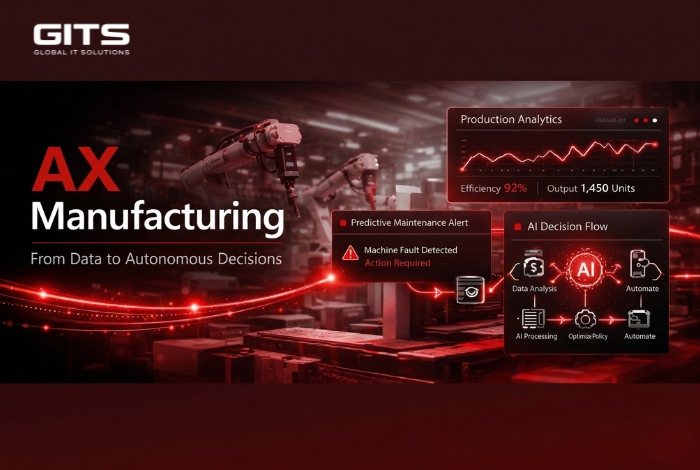
In today’s competitive industrial landscape, AX Manufacturing is emerging as a critical evolution beyond traditional digital transformation. While many manufacturers have digitized their systems, decision-making often remains slow and fragmented.
As enterprises increasingly look toward Vietnam IT Company and Vietnam IT Outsourcing partners to accelerate innovation, Vietnam AX capabilities are becoming a strategic advantage—offering both technological expertise and cost-efficient scalability. This shift is redefining how factories operate, compete, and scale in an increasingly complex market.
What Is AX Manufacturing
AX Manufacturing refers to the integration of AI-driven decision-making into industrial operations.
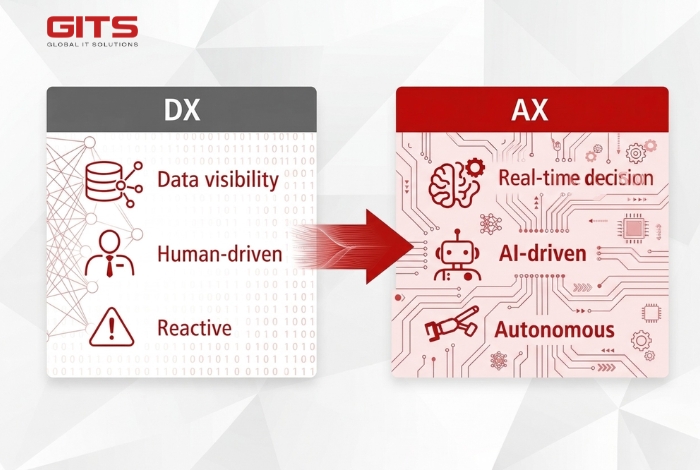
Unlike traditional digital transformation (DX), which focuses on digitizing processes, AX focuses on making those processes intelligent and self-optimizing.
At its core, AX Manufacturing enables systems to:
– Analyze real-time data
– Predict outcomes
– Execute decisions autonomously
This creates a transition from data visibility → decision intelligence → autonomous execution.
Why AX Manufacturing Matters in Modern Enterprises
Manufacturers today face increasing pressure from multiple fronts:
– Labor shortages (especially in Japan and Korea)
– Supply chain disruptions
– Rising operational costs
– Demand for mass customization
Traditional DX initiatives have improved visibility, but they have not solved the speed of decision-making.
AX Manufacturing addresses this gap by enabling:
– Instant response to production changes
– Reduced reliance on manual intervention
– Continuous optimization of operations
For enterprise leaders, this means shifting from reactive management to proactive, AI-driven operations.
How AX Manufacturing Works
AX Manufacturing combines several advanced technologies into a unified system:
Data Collection Layer
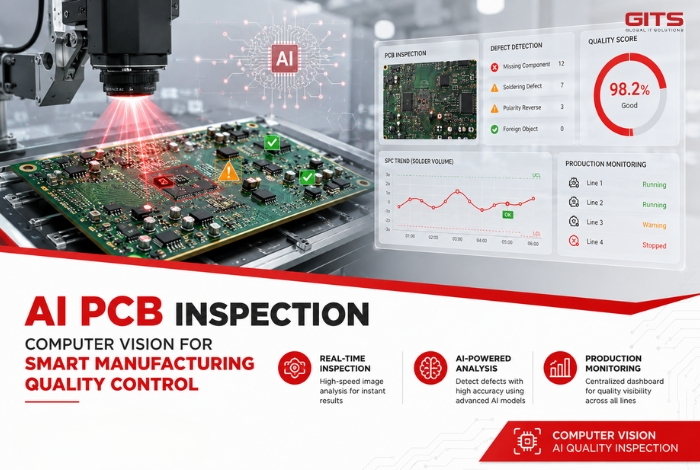
– IoT sensors capture machine performance, temperature, output, and downtime
– ERP/MES systems provide operational and planning data
Intelligence Layer
– AI and machine learning models analyze patterns
– Predictive algorithms identify risks and opportunities
Decision Layer
– AI engines recommend or automatically execute decisions
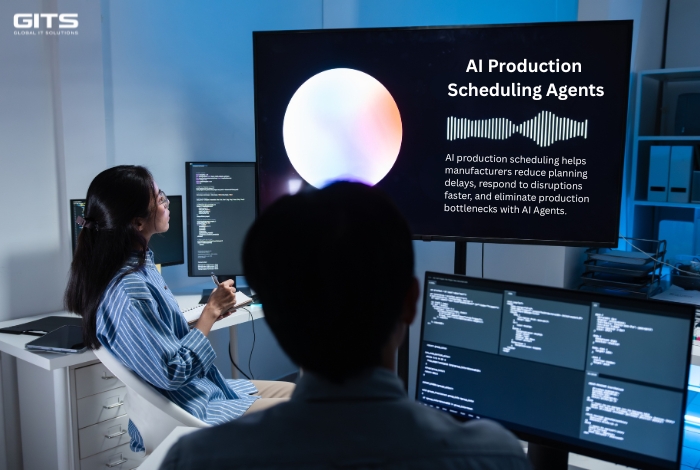
– Examples: adjusting production schedules, reallocating resources
Execution Layer
– Systems integrate with machines, robotics, and workflows
– Actions are carried out in real time
This closed-loop system enables continuous learning and adaptation, making operations increasingly efficient over time.
Benefits of AX Manufacturing for Businesses
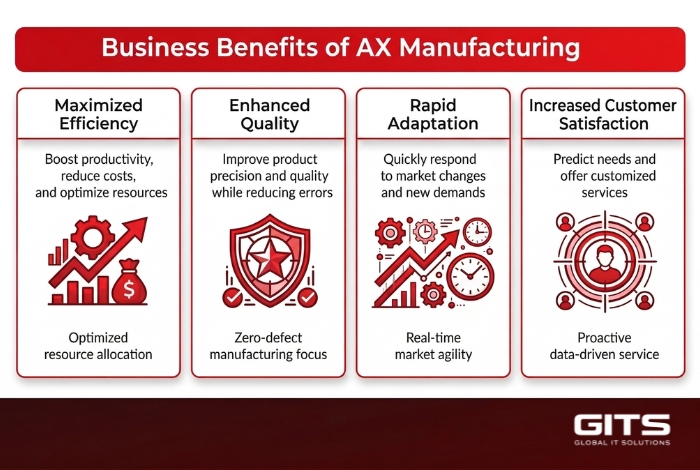
AX Manufacturing fundamentally changes how enterprises operate—not just by improving efficiency, but by redefining how decisions are made and executed across the organization.
Enhancing Operational Efficiency Through Real-Time Intelligence
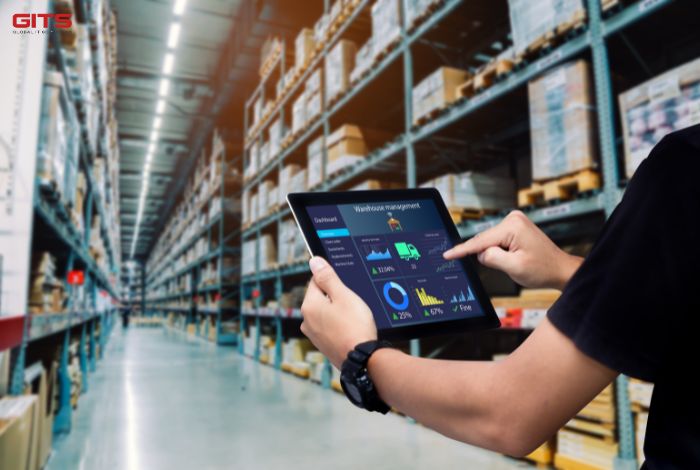
One of the most immediate impacts is on operational efficiency. Instead of relying on periodic reports or manual monitoring, systems continuously analyze real-time data and respond instantly. Machines can predict failures before they occur, production lines can self-adjust based on demand fluctuations, and bottlenecks can be resolved proactively.
This shift allows manufacturers to move away from reactive firefighting toward a more stable and continuously optimized production environment.
Elevating Decision-Making with AI-Driven Insights
Another critical advantage lies in decision-making quality. In traditional environments, decisions often depend on human interpretation of fragmented data, which introduces delays and inconsistencies.
With AX Manufacturing, AI models process vast amounts of data simultaneously, delivering insights that are both faster and more accurate. As a result, leaders can transition from reactive responses to a more strategic, forward-looking decision model—one that anticipates issues before they arise.
Driving Sustainable Cost Optimization
From a financial perspective, AX Manufacturing enables sustainable cost optimization. By minimizing unplanned downtime, reducing material waste, and optimizing resource allocation, enterprises can significantly lower operational expenses.
At the same time, automation reduces dependency on manual labor—an especially important factor in markets such as Japan and Korea, where workforce shortages are becoming increasingly critical.
Enabling Seamless and Scalable Growth
Equally important is the ability to scale operations seamlessly. Traditional systems often struggle to adapt when production demand increases or when businesses expand across multiple locations.
AX-driven systems, however, are designed to learn and adapt dynamically. This allows enterprises to scale without proportionally increasing complexity or cost, ensuring that growth remains both efficient and sustainable.
Toward a Self-Optimizing Manufacturing Ecosystem
Ultimately, AX Manufacturing transforms the factory into a self-optimizing ecosystem, where every component—from machines to workflows—continuously evolves to achieve better performance.
This is not just an incremental improvement, but a fundamental shift toward intelligent operations—where systems no longer just support the business, but actively drive it forward.
Challenges and Considerations
Despite its potential, implementing AX Manufacturing requires careful planning.
Integration Complexity
Legacy systems may not easily connect with AI and IoT platforms.
Data Quality Issues
AI models rely on accurate and consistent data. Poor data can lead to incorrect decisions.
Change Management
Organizations must adapt to new workflows and reduced manual control.
Security and Governance
Autonomous systems require strong oversight to ensure compliance and safety.
For enterprises, success depends on a balanced approach between technology, processes, and governance.
Future Trends of AX Manufacturing
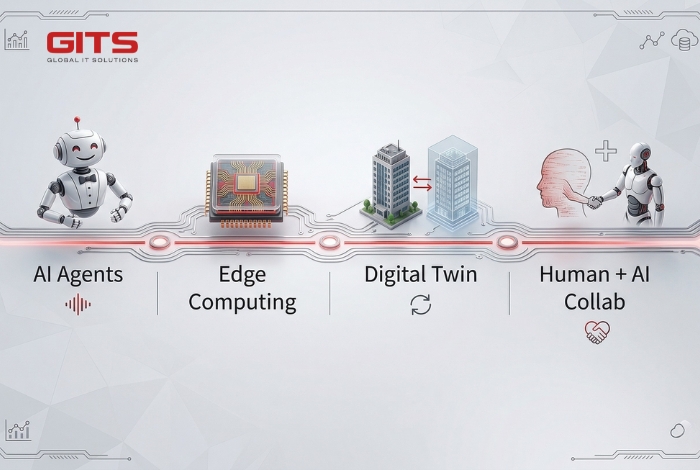
The evolution of AX Manufacturing is accelerating with emerging technologies:
AI Agents in Industrial Operations
AI agents will act as autonomous operators managing specific workflows.
Edge Computing Integration
Real-time decision-making will move closer to machines for faster response.
Digital Twins
Virtual replicas of factories will simulate and optimize operations before execution.
Human-AI Collaboration
Rather than replacing humans, AX will augment human decision-making with AI insights.
Low-Code AI Platforms
Enterprises will deploy AI solutions faster without heavy development effort.
These trends indicate a shift toward fully autonomous, intelligent manufacturing ecosystems.
>>> See More: Why AI Transformation Is Becoming a Strategic Priority for Modern Enterprises
From Data to Decisions to Autonomy: The True Value of AX Manufacturing
AX Manufacturing represents a fundamental shift in how industrial enterprises operate. Moving beyond digitization, it introduces intelligence and autonomy into core processes—enabling faster decisions, higher efficiency, and greater resilience.
For organizations navigating increasing complexity, AX is not just a technology upgrade—it is a strategic transformation toward intelligent operations.