






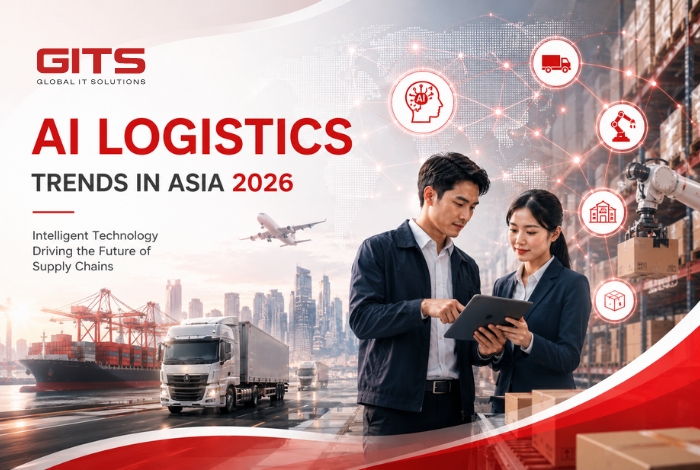
The logistics industry in Southeast Asia is entering a major transformation phase as businesses face rising transportation costs, increasing delivery demands, and ongoing global supply chain disruptions. In this environment, AI Logistics is becoming a strategic solution for companies seeking to optimize operations, reduce logistics expenses, and improve real-time decision-making.
By 2026, artificial intelligence will no longer serve only as a support technology. Instead, AI is rapidly evolving into the operational brain of modern supply chain ecosystems. From warehouse management and transportation planning to predictive analytics and logistics automation, AI Logistics is reshaping how companies manage supply chains across Southeast Asia.
What Is AI Logistics?
AI Logistics refers to the use of artificial intelligence technologies in logistics and supply chain operations to automate workflows, analyze operational data, and support intelligent decision-making.
Unlike traditional logistics models that rely heavily on manual processes and reactive operations, AI Logistics enables businesses to leverage real-time data for continuous optimization. AI systems can analyze transportation patterns, forecast product demand, optimize delivery routes, and identify operational risks before disruptions occur.
This is one of the key reasons why global logistics leaders are investing heavily in AI-driven supply chain technologies to build more flexible and resilient logistics networks.
Why AI Logistics Is Growing Rapidly in Southeast Asia
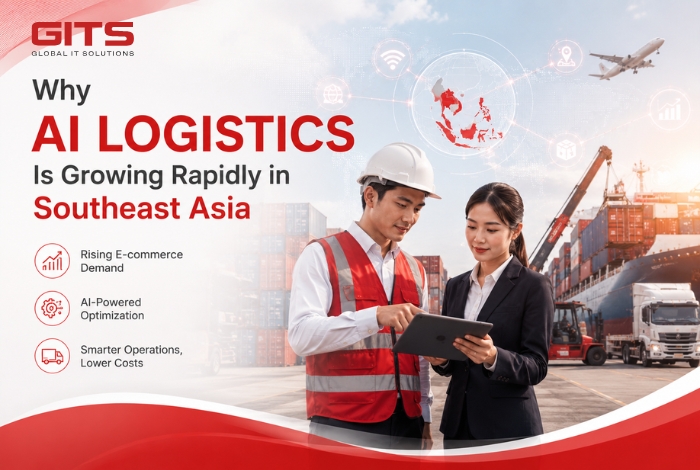
Southeast Asia has become one of the fastest-growing logistics markets in the world due to the rapid expansion of eCommerce and real-time delivery services.
The growth of platforms such as Shopee, Lazada, TikTok Shop, and cross-border eCommerce is creating enormous pressure on warehousing and transportation operations. Logistics providers must process massive volumes of orders faster while maintaining operational efficiency and cost control.
At the same time, logistics costs in many Southeast Asian countries remain relatively high because of fragmented infrastructure and disconnected operational systems. This creates significant opportunities for AI Logistics adoption.
AI allows businesses to shift from reactive logistics operations to proactive supply chain management, where data becomes the foundation of every operational decision.
AI Agents in Logistics
One of the most important AI Logistics trends in 2026 is the rise of AI Agents in logistics operations.
Unlike traditional chatbots, AI Agents can analyze operational data, support logistics coordination, and generate intelligent recommendations in real time.
AI Agents for Operational Optimization
In modern logistics environments, AI Agents can monitor delivery ETAs, identify risks of shipment delays, and automatically recommend optimized transportation solutions.
Many industry experts believe AI Agents will become the core component of autonomous logistics systems within the next few years as companies transition toward intelligent automation.
AI Agents and Autonomous Logistics
The biggest advantage of AI Agents lies in their ability to learn continuously from operational data and improve logistics performance over time.
This enables businesses to reduce dependence on manual operations while improving responsiveness to supply chain disruptions.
>>> See More: Digital Transformation in Logistics with AI Ecosystem at GITS
Smart Warehouses Are Transforming Operations
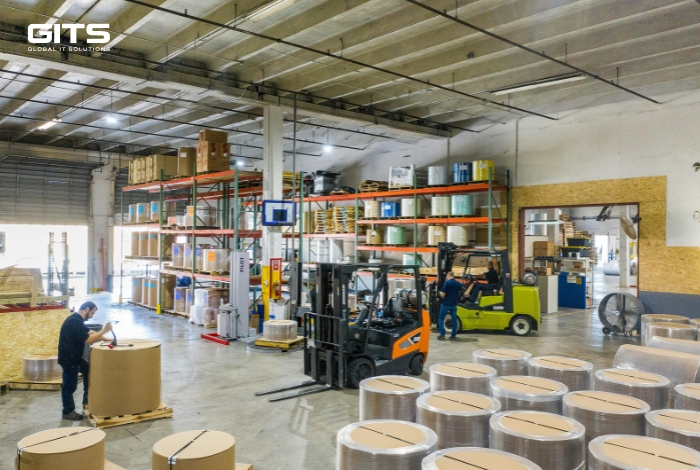
Warehousing has become one of the most heavily impacted areas of AI Logistics innovation.
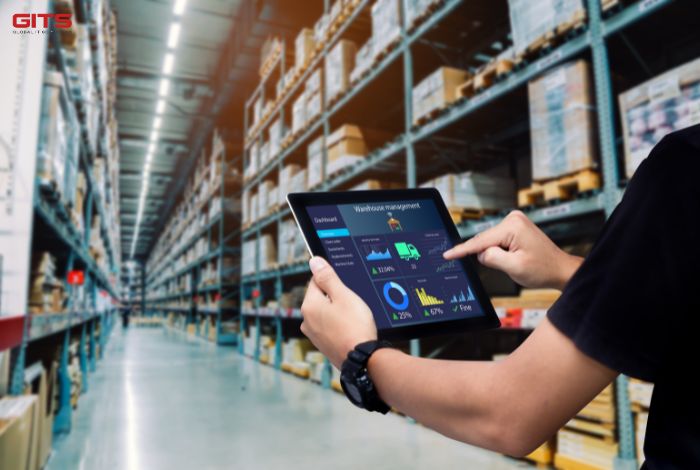
Through the integration of AI, IoT, and Computer Vision technologies, Smart Warehouses are helping businesses optimize inventory management and warehouse workflows.
AI for Warehouse Optimization
AI systems can automatically recommend optimal storage locations based on product demand frequency and inventory characteristics.
At the same time, AI-powered cameras support automated inventory tracking and real-time stock discrepancy detection.
Computer Vision in Warehousing
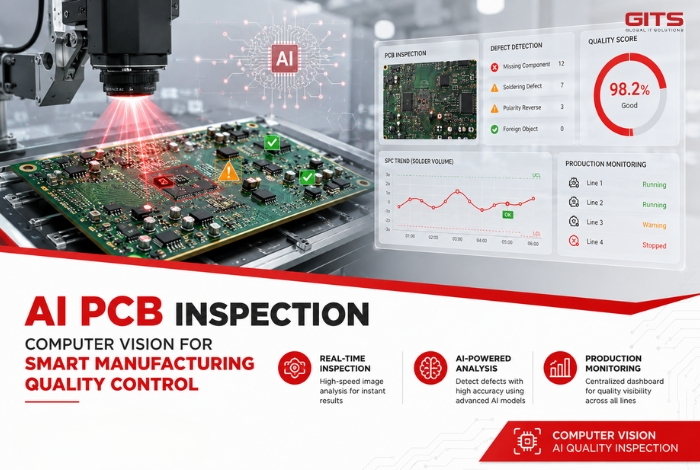
Computer Vision technologies improve pallet management accuracy, inventory visibility, and warehouse productivity while reducing operational bottlenecks.
As a result, businesses can significantly improve warehouse efficiency and reduce long-term logistics costs.
Predictive Logistics as a Competitive Advantage
In today’s volatile supply chain environment, predictive capabilities are becoming a critical competitive advantage.
Predictive Logistics enables companies to use AI for forecasting transportation demand, inventory fluctuations, and potential supply chain disruptions.
AI-Driven Supply Chain Forecasting
According to various market studies, AI-driven supply chain systems can significantly reduce logistics costs while improving forecasting accuracy.
These predictive capabilities allow businesses to proactively allocate resources instead of reacting only after operational problems occur.
Predictive Analytics and Data Optimization
Predictive Analytics is becoming a core element of modern logistics strategies as businesses increasingly rely on real-time data for faster decision-making.
AI TMS and Transportation Optimization
Transportation Management Systems are rapidly evolving through AI integration.
AI-powered TMS platforms not only support shipment tracking but also optimize delivery routes in real time, improve ETA accuracy, and reduce fuel consumption.
AI Route Optimization
AI helps logistics providers optimize delivery routes based on traffic data and operational conditions.
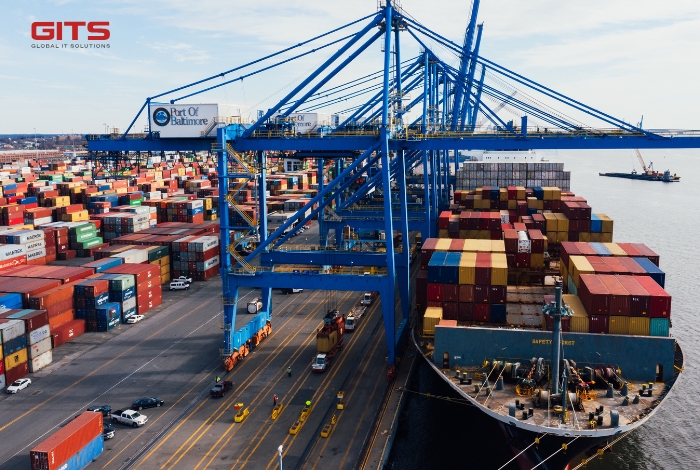
This is especially important in Southeast Asia, where traffic congestion and transportation complexity remain major operational challenges.
AI and Last-Mile Delivery
AI Transportation Management Systems help businesses improve last-mile delivery efficiency and reduce failed delivery rates.
In the near future, AI-powered TMS platforms are expected to become the operational standard for modern logistics companies.
Green AI Logistics and ESG
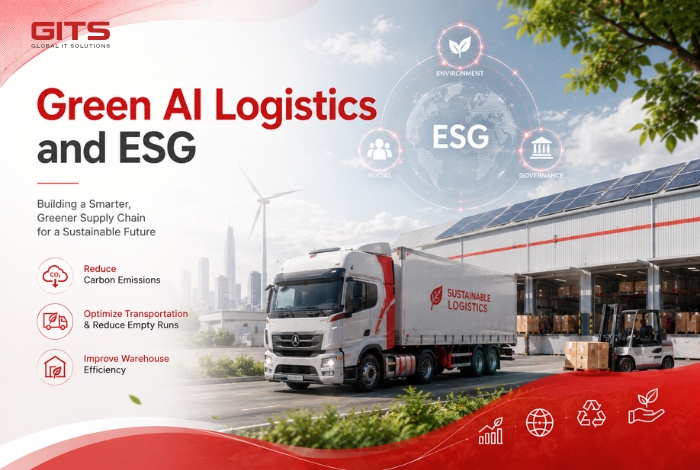
Sustainable logistics is becoming a top priority for global supply chain organizations.
AI Logistics helps companies reduce carbon emissions by optimizing transportation efficiency, minimizing empty truck operations, and improving warehouse performance.
AI for Sustainable Logistics
AI supports the development of Green Supply Chains by optimizing energy usage and reducing operational waste throughout logistics networks.
ESG in Supply Chain Operations
Many experts believe Green AI Logistics will become a key component of ESG strategies in the logistics industry between 2026 and 2030.
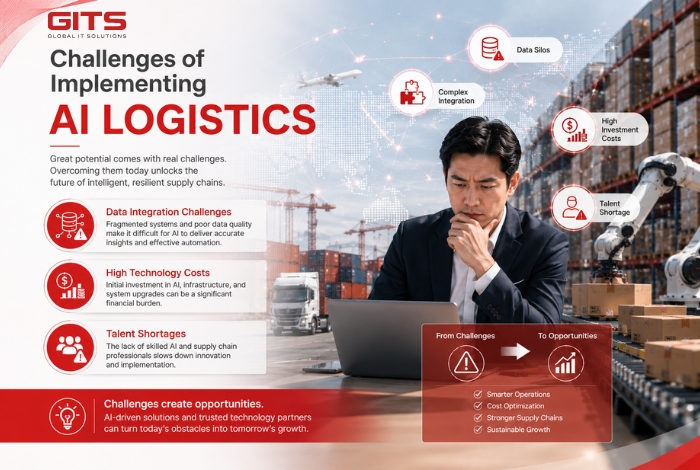
Challenges of Implementing AI Logistics
Despite its enormous potential, many companies still face significant challenges when implementing AI Logistics solutions.
Data Integration Challenges
One of the biggest obstacles is data quality and integration. Many businesses still operate with fragmented systems that prevent AI from functioning effectively.
Technology Costs and Talent Shortages
Initial investment costs and the shortage of AI supply chain specialists also remain major concerns across Southeast Asia.
However, these challenges simultaneously create opportunities for technology providers offering AI-driven logistics transformation solutions.
The Future of AI Logistics in 2026
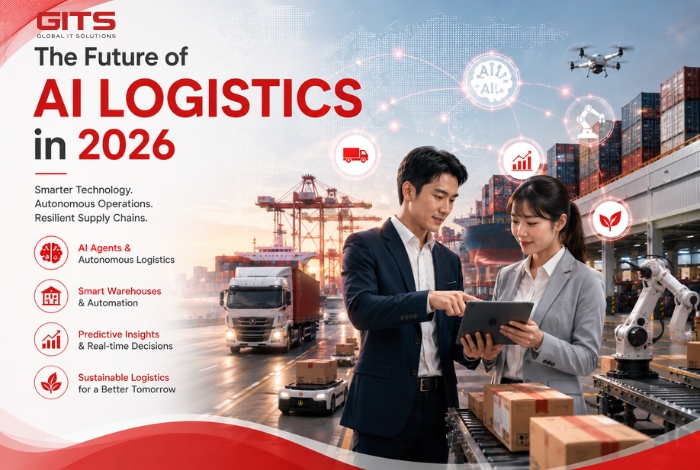
Over the next few years, AI Logistics will evolve from a support technology into a system capable of directly managing and optimizing logistics operations.
Autonomous Logistics Will Expand Rapidly
AI Agents, Smart Warehouses, and Predictive Supply Chains are expected to become the core infrastructure of future logistics ecosystems.
Which Companies Will Lead the Market?
Businesses that adopt AI Logistics early will gain significant advantages in operational efficiency, cost optimization, and supply chain agility.
More importantly, AI Logistics is no longer just a future trend. It is becoming the new operational standard for the global logistics industry.
AI Logistics Is Reshaping the Future of Supply Chains
By 2026, Southeast Asia is expected to become one of the fastest-growing AI Logistics markets in the world as businesses accelerate the transition toward intelligent supply chains.
From AI Agents and Smart Warehouses to AI-powered Transportation Management Systems, artificial intelligence is fundamentally transforming how logistics companies operate and optimize performance.
In the next generation of supply chain competition, businesses with stronger data capabilities and more advanced AI systems will emerge as industry leaders.