






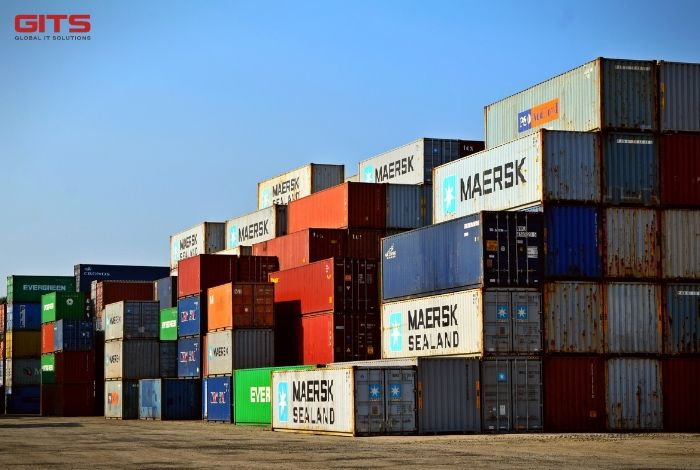
The goods are ready to leave the warehouse. Trucks are available, and logistics operations appear to be running smoothly. Yet deliveries are still delayed.
What is causing the disconnect?
The problem may not lie in warehouse capacity or transportation resources. Instead, it could be hidden in the gap between warehouse operations and transportation management.
WMS TMS Integration bridges this gap by connecting warehouse and transportation workflows, enabling better data synchronization, operational visibility, and coordination. It provides a foundation for logistics optimization, digital transformation (DX), and future AI-driven operations.
Why Do Deliveries Get Delayed Even When Goods Are Ready?
Manufacturers, distributors, and retailers increasingly rely on Warehouse Management Systems (WMS) and Transportation Management Systems (TMS) to manage logistics operations.
A WMS oversees receiving, inventory management, picking, packing, and outbound processes. Meanwhile, a TMS supports transportation planning, dispatch, shipment tracking, and delivery management.
However, efficient individual systems do not necessarily create an efficient end-to-end logistics operation.
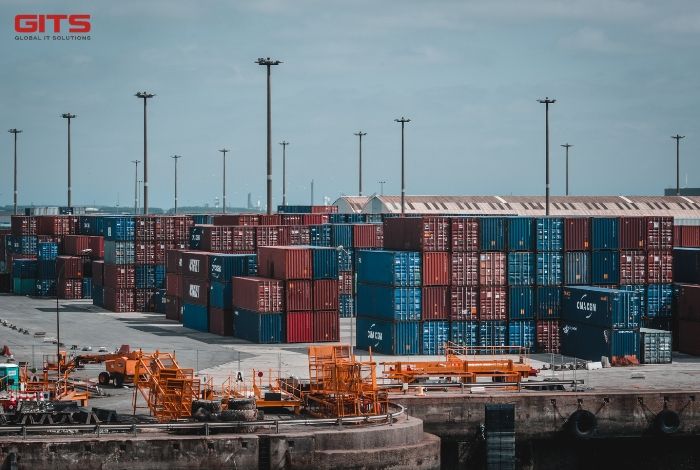
The Hidden Bottleneck Between WMS and TMS
Consider a shipment that has completed picking and packing and is ready for dispatch.
The warehouse updates its system, but the transportation team does not immediately receive the information. Dispatch coordination requires additional emails, phone calls, or manual confirmations.
Even after transportation begins, delivery statuses may not be updated promptly.
These disconnected workflows can lead to:
– Delayed vehicle assignments despite shipment readiness.
– Misalignment between warehouse schedules and transportation plans.
– Repetitive manual coordination across departments.
– Limited visibility into the causes of delivery delays.
The challenge is not always the performance of individual systems, but how effectively information and responsibilities move between them.
What Is WMS TMS Integration?
WMS TMS Integration is the process of connecting Warehouse Management Systems and Transportation Management Systems to synchronize shipment data and coordinate warehouse, dispatch, and delivery activities.
Through APIs, event-driven data exchange, or integration platforms, businesses can share order information, shipment readiness, transportation schedules, and delivery updates across systems.
Transportation planning may begin before warehouse preparation is complete. Therefore, effective integration requires more than simply transferring data. Information must be shared at the right time, with clear status definitions and operational responsibilities.
How WMS TMS Integration Connects Logistics Workflows
An integrated logistics process may follow this operational flow:
Order → Warehouse Processing → Shipment Readiness → Dispatch → Transportation → Delivery
As warehouse activities progress, the WMS updates shipment readiness information that can be shared with the TMS.
The TMS uses this information to coordinate dispatch and transportation activities, while delivery updates can be communicated to a shared monitoring environment.
This creates a more consistent information flow and reduces the need for teams to manually reconcile operational data.
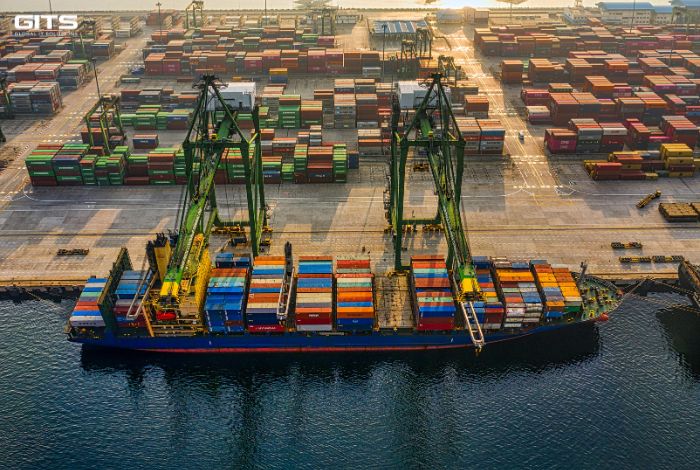
Key Benefits of WMS TMS Integration
Greater End-to-End Logistics Visibility
Supply chain visibility goes beyond tracking vehicles.
Businesses need to understand where shipments are in the operational process, which activities are delayed, and what actions are required next.
Integrated systems provide a clearer view of warehouse and transportation activities, helping managers identify bottlenecks and respond to disruptions earlier.
Reduced Manual Work and Improved Dispatch Coordination
When warehouse and transportation data are synchronized, teams can reduce duplicate data entry, repetitive confirmations, and unnecessary communication.
Aligning shipment readiness with transportation schedules can also help minimize waiting times and improve resource utilization.
A Stronger Foundation for Logistics Digital Transformation
WMS TMS Integration supports broader connectivity with Order Management Systems (OMS), Enterprise Resource Planning (ERP), and distribution management platforms.
Instead of digitizing isolated functions, businesses can move toward Connected Logistics, where data flows across the entire order-to-delivery process.
How Can AI Agents and AX Advance Logistics Operations?
Once WMS and TMS data are standardized and connected, businesses can explore more advanced AI applications.
AI Agents can support logistics teams by analyzing shipment statuses, detecting unusual delays, and recommending operational actions.
For example, an AI Agent could identify shipments that are ready for dispatch but have not yet been assigned to a vehicle, then automatically alert the responsible team.
More advanced Agentic AI solutions may analyze potential causes of delays, recommend corrective actions, or automate selected workflows within predefined permissions and business rules.
However, AI Transformation (AX) begins with reliable data and well-structured processes, not simply the adoption of new AI technologies.
Without consistent data integration, even sophisticated AI solutions may struggle to deliver meaningful operational improvements.
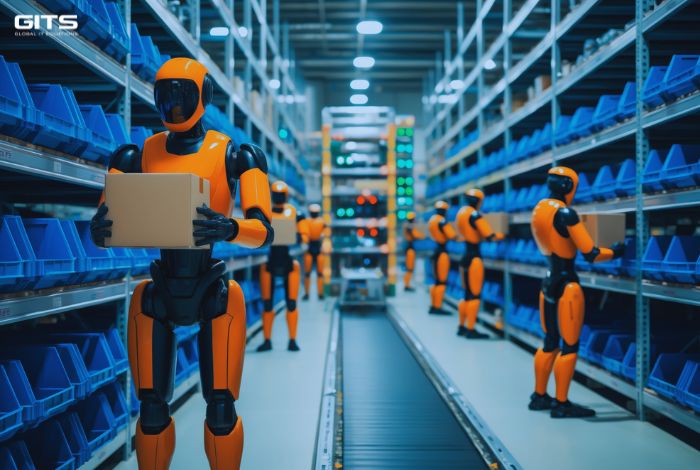
>>> See More: Warehouse Management System: Do You Know Where Goods Are?
GITS’ Approach to WMS TMS Integration
At GITS, logistics integration is approached from an operational perspective rather than focusing solely on individual software systems.
Our proposed Logistics Flow Review examines five interconnected dimensions:
Process → Handoff → Data Flow → Integration → Visibility
The process begins by understanding how orders and shipments move across warehouse, transportation, and delivery operations.
GITS then examines operational handoffs, data-sharing requirements, and potential integration gaps between WMS, TMS, and other business systems.
Based on these findings, businesses can explore integration strategies aligned with their existing infrastructure and operational priorities.
This approach also creates opportunities for further digital transformation, workflow automation, operational monitoring, and AI Transformation.
The objective is not simply to introduce more technology, but to connect existing processes and data into a more coordinated logistics operation.
Connected Logistics Starts with the Right Handoff
Delivery delays are not always caused by insufficient warehouse capacity or transportation resources. Sometimes, the underlying issue is how information moves between systems and departments.
WMS TMS Integration helps address these gaps by improving data synchronization, operational coordination, and end-to-end logistics visibility.
Connecting warehouse, transportation, and delivery workflows also establishes a stronger foundation for digital transformation and future AI-powered logistics operations.
Are disconnected workflows slowing down your warehouse-to-delivery operations?
Connect with GITS – Global I.T Solutions to explore a Logistics Flow Review and identify system integration opportunities tailored to your business.