






Choosing an IT outsourcing partner is not simply a matter of comparing hourly rates or reviewing a company’s portfolio. The wrong decision can lead to missed deadlines, unstable software, security vulnerabilities, and unexpected maintenance costs that undermine your digital transformation strategy.
For businesses in Japan, South Korea, and global markets, IT Outsourcing Vietnam offers access to software engineering talent and flexible delivery models. However, a vendor’s ability to deliver enterprise-grade solutions depends on more than technical headcount. It requires proven engineering practices, transparent governance, strong security controls, and a clear understanding of business objectives.
This technical checklist explains how to evaluate a Vietnam IT outsourcing vendor before committing to a long-term partnership.
1. Assess Technical Expertise and Architecture Capability
A vendor may demonstrate proficiency in popular programming languages without having the architectural expertise required for complex enterprise systems. The first step is to determine whether its engineering capabilities align with your existing technology stack, business requirements, and long-term roadmap.
Evaluate the vendor’s experience with relevant programming languages, frameworks, cloud platforms, APIs, databases, and system integration. For enterprise projects, assess its ability to design scalable architectures, manage legacy systems, and maintain interoperability across business applications.
What to verify before making a decision:
– Relevant case studies involving comparable technical complexity and industry requirements.
– Architecture diagrams, technical documentation, and anonymized code samples.
– Experience with cloud-native development, microservices, API integration, and DevOps.
– A technical assessment or pilot project using realistic business scenarios.
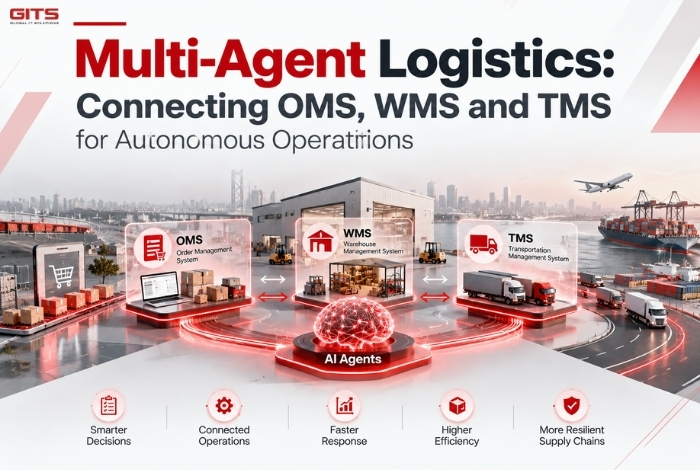
For manufacturers, this may involve integrating ERP, MES, and warehouse systems. For logistics companies, it could mean connecting a Transportation Management System (TMS), Warehouse Management System (WMS), and Order Management System (OMS).
A reliable IT outsourcing partner should explain not only how it will build a solution, but also why its technical decisions fit your operational requirements.

2. Evaluate Code Quality, Testing, and Delivery Standards
Poor code quality rarely becomes obvious during a sales presentation. It becomes expensive when defects accumulate, releases fail, or new developers struggle to maintain the system.
When evaluating IT Outsourcing Vietnam providers, investigate the engineering processes that govern development from requirements analysis to production deployment.
Ask how the team conducts peer code reviews, enforces coding standards, manages technical debt, and validates changes before release. Review its approach to unit, integration, regression, and end-to-end testing. Automated quality gates should detect issues early rather than leaving the burden entirely to manual QA.
Continuous Integration and Continuous Delivery (CI/CD) pipelines should also provide repeatable builds, controlled deployments, and traceable releases.
The vendor should be able to demonstrate these practices through sample pull requests, test reports, deployment workflows, and defect-management records.
For an objective baseline, buyers can reference the NIST software verification guidance, which discusses software testing and verification techniques. The OWASP Top 10 is another useful reference for evaluating common web application security risks.

3. Verify Security, Data Protection, and Intellectual Property
Security should be evaluated before development begins, particularly when the vendor will access proprietary source code, customer information, production environments, or sensitive business data.
A credible outsourcing provider should demonstrate how it controls access, protects credentials, encrypts sensitive information, scans dependencies, and responds to security incidents.
ISO/IEC 27001 certification can provide evidence of an established information security management system, but buyers should verify the certificate’s validity, organizational scope, and covered locations. Certification alone does not guarantee that every project-specific risk is adequately addressed.
Contractual safeguards are equally important. Confirm who owns the source code, technical documentation, custom-developed components, and other deliverables. Define confidentiality obligations, permitted subcontracting, data retention, breach notification, and the return or deletion of information when the engagement ends.
For Japanese and Korean enterprises, vendor assessments should also account for applicable privacy requirements, internal security policies, and customer-specific compliance obligations.
The key question is not whether a vendor claims to be secure, but whether it can demonstrate controls and accept clear contractual responsibilities.

4. Assess Team Stability and Communication Across Markets
Even a technically capable company can struggle if the assigned team lacks domain knowledge, changes frequently, or communicates poorly with stakeholders.
Evaluate the actual team proposed for your project rather than relying solely on the vendor’s overall headcount. Confirm the experience of its technical lead, solution architect, developers, QA engineers, and project manager. Ask how the company handles staff turnover, knowledge transfer, onboarding, and replacement of critical personnel.
Communication should also match your operating environment.
Japanese clients may require detailed documentation, consistent reporting, careful change management, and explicit quality acceptance criteria. South Korean enterprises may place particular emphasis on rapid coordination, responsiveness, and alignment with demanding delivery schedules. Global teams often need asynchronous collaboration, clearly documented decisions, and predictable meeting schedules across time zones.
Establish measurable expectations for sprint reviews, progress reports, issue escalation, response times, and stakeholder approvals.
A vendor should make collaboration easier, not create an additional management burden for your internal team.
5. Evaluate AI Solutions, AI Agents, and AX Readiness
As businesses move beyond traditional software development, an IT outsourcing partner may also need to support AI adoption and enterprise-wide transformation.
Assess whether the vendor can integrate AI capabilities into existing workflows rather than simply demonstrate isolated prototypes. Relevant capabilities may include machine learning, computer vision, predictive analytics, generative AI, and secure integration with enterprise data.
For organizations exploring AI Agents and Agentic AI, ask how the vendor handles tool permissions, workflow orchestration, human approval, audit trails, model evaluation, and failure recovery. These controls become particularly important when AI systems can trigger business actions or interact with operational platforms.
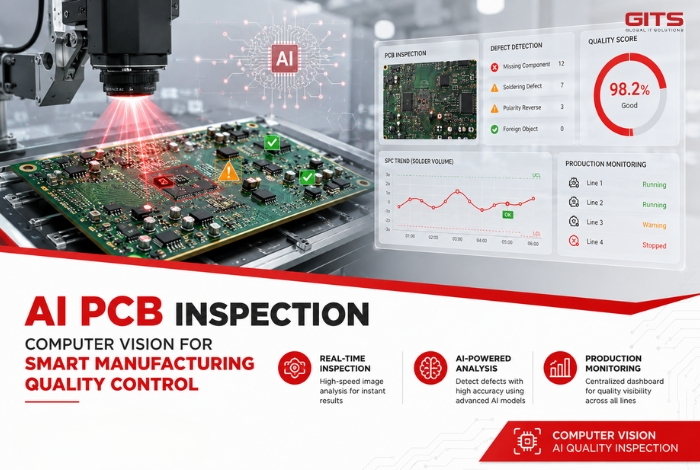
For example, a logistics company may explore AI-assisted shipment exception handling, while a manufacturer may consider predictive maintenance or automated quality inspection.
The broader goal of AX, or AI Transformation, is to connect technology adoption with measurable business improvement. Vendors should therefore explain how they will evaluate operational impact, integration complexity, data readiness, and ongoing AI governance.
Not every project needs advanced AI. The right partner should recommend AI Solutions when they address a defined business problem and provide a realistic path to implementation.

6. Compare Delivery Models, Pricing, and Scalability
A low hourly rate does not necessarily translate into a lower total cost of ownership. Rework, delayed releases, staff replacement, and ongoing maintenance can outweigh initial savings.
Compare proposals using the same scope, assumptions, quality standards, and acceptance criteria. Review whether estimates include project management, QA, infrastructure, documentation, deployment, and post-launch support.
Choose a delivery model that matches your requirements:
– Project-based outsourcing: Suitable for well-defined deliverables and stable scope.
– Dedicated development team: Appropriate for evolving roadmaps and long-term product development.
– Staff augmentation: Useful when your internal team needs additional specialists under its own management.
Also confirm how the vendor scales capacity, manages scope changes, handles service-level agreements, and supports knowledge transfer if the partnership ends.
A transparent proposal should make responsibilities, dependencies, exclusions, and additional costs explicit.
7. Run a Technical Pilot Before Signing a Long-Term Contract
Vendor presentations and reference calls provide useful context, but a controlled pilot offers stronger evidence of actual delivery performance.
Select a small, representative work package with clear acceptance criteria. Evaluate technical implementation, code quality, test coverage, documentation, communication, and adherence to agreed milestones.
Measure the results against predefined indicators, such as defect rates, review turnaround, delivery predictability, and successful completion of acceptance tests. Avoid judging performance solely by the number of tasks completed or lines of code produced.
The pilot should also test collaboration between your internal stakeholders and the proposed delivery team. This reveals gaps in requirements interpretation, decision-making, and escalation before they affect a larger program.
For enterprise buyers, a successful pilot can establish the engineering standards, governance model, and working relationship needed for a controlled scale-up.
>>> See More: IT Outsourcing Vietnam: Why It’s a Global Hub
Choose an IT Outsourcing Partner You Can Verify
Evaluating an IT outsourcing vendor in Vietnam requires a structured assessment of technical expertise, software quality, security, team stability, AI readiness, and commercial transparency.
For businesses in Japan, South Korea, and global markets, the objective is not simply to find a lower-cost development team. It is to establish a dependable technology partnership that protects intellectual property, reduces delivery risk, and supports long-term business growth.
Before making your final decision, verify the evidence, test the working relationship, and align technical deliverables with measurable business outcomes.
GITS helps businesses explore technology solutions across software development, enterprise system integration, AI Solutions, and digital transformation. If your organization is evaluating an IT outsourcing partner in Vietnam, connect with GITS to discuss your technical requirements and identify an approach aligned with your business objectives.

Frequently Asked Questions
How do I evaluate an IT outsourcing company in Vietnam?
Assess technical expertise, relevant project experience, code quality, security controls, communication, team stability, pricing transparency, and scalability. Validate these capabilities through documented evidence and a technical pilot.
What should I check before outsourcing software development?
Review the proposed team, architecture approach, testing standards, source code ownership, data protection measures, delivery milestones, and post-launch support arrangements before signing a contract.
Can a Vietnam IT outsourcing vendor support AI projects?
Yes, depending on its verified capabilities. Assess its experience with AI integration, data engineering, model evaluation, AI Agents, security, and production deployment. Start with a defined use case and measurable success criteria.
Is IT outsourcing in Vietnam suitable for Japanese and Korean enterprises?
It can be suitable when the vendor meets the enterprise’s technical, security, communication, documentation, and governance requirements. Buyers should validate these capabilities against their own operational standards rather than assuming that every provider offers the same level of service.