






Transportation Management System: Optimize Costs and Fleet Operations
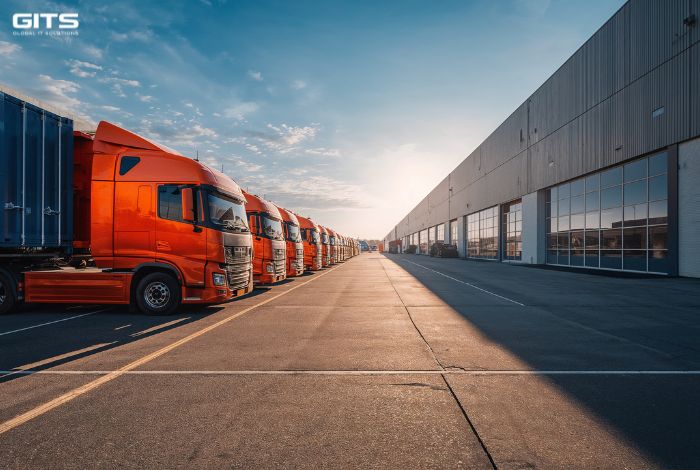
As fuel prices, labor expenses, and logistics costs continue to rise, transportation efficiency has become a critical priority for businesses. In Vietnam, Japan, and South Korea, where supply chains are becoming increasingly complex, traditional transportation management methods can no longer keep pace with growing operational demands.
Empty return trips, inefficient route planning, delayed deliveries, and limited fleet visibility are among the challenges that directly impact profitability.
A Transportation Management System (TMS) helps businesses overcome these challenges by digitizing transportation operations, optimizing fleet utilization, and providing real-time visibility across the entire delivery process. More than just a management tool, TMS is becoming a strategic foundation for smarter, more cost-efficient logistics.
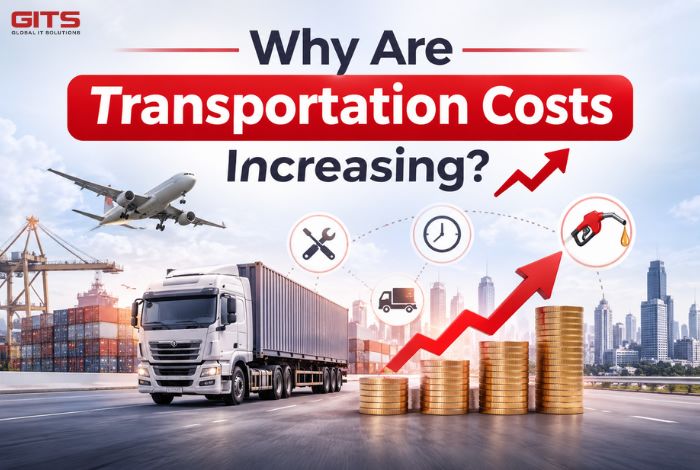
Why Are Transportation Costs Increasing?
Transportation involves more than moving goods from one location to another. Every shipment requires coordination between vehicles, drivers, delivery schedules, warehouses, and multiple stakeholders. Without centralized management, operational inefficiencies can quickly translate into significant financial losses.
- Rising fuel and operating expenses: Fluctuating fuel prices, toll fees, vehicle maintenance, and driver expenses make transportation budgets increasingly difficult to control. Without accurate cost tracking, businesses struggle to identify unnecessary spending.
- Low fleet utilization and empty return trips: Vehicles often return without cargo after completing deliveries. Poor coordination and limited shipment visibility result in wasted capacity and higher transportation costs per shipment.
- Inefficient manual dispatching: Managing transportation through spreadsheets, phone calls, and disconnected systems consumes valuable time. Dispatchers may struggle to assign vehicles, adjust schedules, and respond quickly to unexpected changes.
- Limited operational visibility: Without centralized data, managers cannot easily monitor vehicle locations, delivery progress, driver performance, or unexpected expenses. This makes proactive decision-making difficult.
How Does a Transportation Management System Reduce Costs?
A Transportation Management System centralizes transportation planning, execution, monitoring, and cost analysis. By connecting these activities within one platform, businesses can improve operational control and eliminate unnecessary expenses.
Optimize Routes and Reduce Fuel Consumption
TMS uses delivery locations, vehicle capacity, delivery deadlines, and transportation conditions to support efficient route planning. Advanced routing algorithms help identify suitable routes, minimize unnecessary mileage, and reduce travel time.
When traffic conditions or shipment requirements change, dispatchers can adjust transportation plans more efficiently, minimizing delays and additional costs.
Maximize Fleet Utilization
Underutilized vehicles represent a significant source of transportation waste. TMS helps businesses assign vehicles based on capacity, availability, delivery schedules, and shipment requirements.
By consolidating shipments, optimizing vehicle loads, and identifying return-load opportunities, businesses can reduce empty trips, improve vehicle utilization, and maximize the value of their transportation assets.
Improve Fleet and Driver Management
Transportation Management Software provides centralized visibility into vehicle status, driver assignments, schedules, and delivery progress. Managers can monitor transportation activities, identify route deviations, and respond promptly to operational issues.
Historical data on mileage, operating hours, and fuel consumption also supports driver performance evaluation, preventive maintenance planning, and better fleet cost control.
Gain Better Control Over Transportation Costs
TMS records and analyzes transportation expenses, including fuel, tolls, freight charges, outsourcing fees, and additional operating costs.
By comparing actual expenses against planned budgets, businesses can identify cost discrepancies, evaluate route profitability, and make data-driven decisions to improve transportation efficiency.
>>> See More: 7 Essential Features of a Modern Transportation Management System
Transform Transportation Operations with AI and Automation
Modern TMS platforms are evolving beyond traditional transportation management through the integration of Artificial Intelligence (AI), Machine Learning, and AI Agents.
AI analyzes historical shipment data, traffic patterns, delivery schedules, and vehicle availability to forecast transportation demand, recommend optimal routes, and support resource allocation.
Meanwhile, AI Agents can automate repetitive operational tasks, such as tracking shipment statuses, identifying potential delivery delays, detecting cost discrepancies, and recommending corrective actions based on predefined business rules.
By combining TMS with AI Solutions, businesses can reduce manual workloads, accelerate operational responses, and build more intelligent transportation processes.

Connect TMS with WMS and ERP for End-to-End Logistics Optimization
Transportation efficiency depends on seamless coordination between warehouses, distribution centers, and enterprise operations.
Integrating TMS with a Warehouse Management System (WMS) synchronizes inventory availability, order fulfillment, and shipment schedules. Warehouse teams can prepare goods according to vehicle arrival times, while transportation teams gain real-time visibility into shipment readiness.
Connecting TMS with Enterprise Resource Planning (ERP) further links transportation data with procurement, sales, finance, and accounting activities.
Together, TMS, WMS, and ERP create an integrated digital ecosystem that improves data consistency, reduces manual processing, and strengthens supply chain visibility.
For enterprises managing multiple warehouses, factories, and distribution centers, this integration provides a scalable foundation for logistics digital transformation.
What Should Businesses Consider When Implementing TMS?
Selecting the right Transportation Management System requires more than comparing software features. Businesses should first identify their operational priorities, whether optimizing routes, reducing empty trips, improving fleet utilization, or controlling outsourced transportation costs.
Key considerations include system customization, integration capabilities with ERP, WMS, GPS, and existing platforms, as well as scalability, data security, and reporting capabilities.
A phased implementation approach is often effective. Businesses can start with selected routes or operational units, evaluate performance, and gradually expand across the organization.
Establishing measurable KPIs is equally important. Key indicators include transportation cost per shipment, empty-mile ratio, on-time delivery rate, fuel consumption, and vehicle utilization. These metrics help businesses evaluate ROI and measure the actual value of digital transformation.
TMS: Building a Smarter and More Cost-Efficient Logistics Future
In an increasingly competitive business environment, transportation optimization is no longer simply about reducing fuel expenses or cutting delivery costs. It requires a connected, data-driven approach that enables businesses to manage operations intelligently and respond to changes faster.
A modern Transportation Management System empowers organizations to streamline dispatching, maximize fleet utilization, improve cost visibility, and strengthen delivery performance.
When integrated with AI, AI Agents, WMS, and ERP, TMS becomes a strategic technology foundation for building a smarter, more agile, and scalable logistics ecosystem.
Investing in TMS is not just about making transportation more efficient today. It is about building the operational capabilities businesses need to compete and grow in the digital economy.