







5 Warehouse Management Challenges and How WMS Solves Them
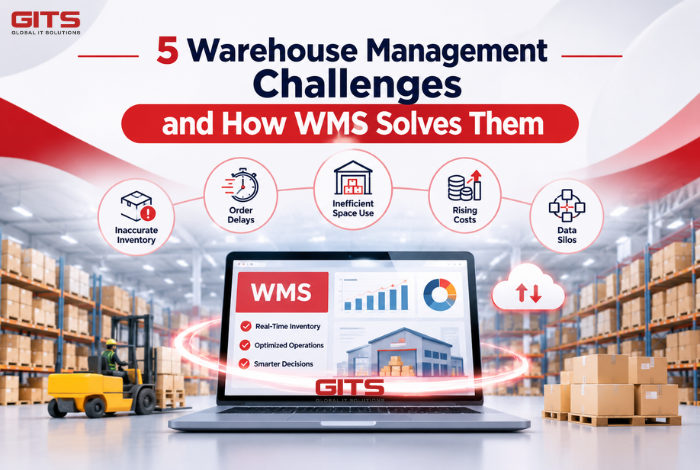
As supply chains become increasingly complex, warehouse management is no longer just about storing and tracking goods. Businesses must maintain accurate inventory records, streamline inbound and outbound operations, fulfill orders faster, and control rising operating costs.
However, many companies still rely on spreadsheets, manual paperwork, or disconnected software systems. These outdated practices often lead to inventory discrepancies, processing delays, inefficient resource allocation, and limited operational visibility.
So, what are the biggest challenges in modern warehouse management, and how can technology address them? A Warehouse Management System (WMS) provides a strategic solution, helping businesses build more accurate, transparent, and intelligent warehouse operations.
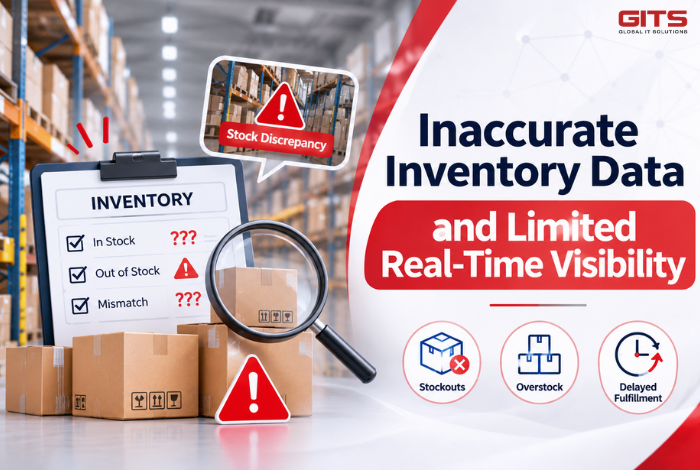
1. Inaccurate Inventory Data and Limited Real-Time Visibility
Inventory discrepancies are among the most common challenges facing businesses with large warehouses or diverse product portfolios. When receiving, picking, and stock transfers are recorded manually, system data can quickly become inconsistent with actual inventory levels.
This can result in stockouts, excess inventory, delayed order fulfillment, and poor purchasing decisions. Ultimately, businesses lose both operational efficiency and financial control.
How WMS Solves It
A Warehouse Management System enables real-time inventory tracking by recording every warehouse transaction. Integrated barcode scanning, QR codes, or RFID technology helps verify goods throughout receiving, storage, picking, and shipping processes.
With accurate, up-to-date inventory data, businesses gain better visibility into stock quantities, locations, and statuses, reducing manual errors and improving inventory control.
2. Complex Inbound and Outbound Processes Slow Down Order Fulfillment
As order volumes increase, warehouse operations become more demanding. Without standardized workflows, employees may spend excessive time locating products, moving between storage areas, or correcting picking and packing errors.
This is particularly challenging for e-commerce, retail, and logistics businesses, where fulfillment speed directly affects customer satisfaction and competitiveness.
How WMS Solves It
WMS streamlines warehouse workflows through structured process management and automation, including:
- Inbound Management: Receiving, inspecting, and registering incoming goods.
- Put-away: Assigning optimal storage locations based on product characteristics.
- Picking & Packing: Guiding employees through accurate order picking and packing.
- Outbound Management: Controlling shipment preparation and dispatch.
By standardizing these processes, businesses can reduce unnecessary handling, minimize errors, and accelerate order fulfillment.
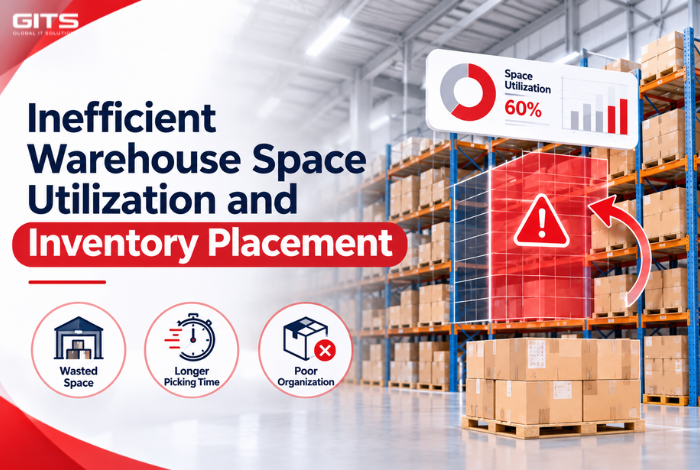
3. Inefficient Warehouse Space Utilization and Inventory Placement
Warehouse space is a limited resource, yet inventory volumes and storage requirements constantly change. Poor product placement can result in wasted space, longer picking routes, and congestion across operational areas.
As businesses expand, these inefficiencies become increasingly costly.
How WMS Solves It
WMS optimizes storage allocation based on product dimensions, weight, turnover rates, and handling requirements.
Through strategies such as ABC Analysis, zone-based storage, and slotting optimization, businesses can improve space utilization, reduce unnecessary movement, and make products easier to locate.
This creates a more organized warehouse environment while supporting higher operational capacity without immediately requiring additional storage facilities.
>>> See More: What Is a WMS? The Role of Warehouse Management Systems in Modern
4. Rising Labor Costs and Increasing Warehouse Operating Expenses
Labor-intensive warehouse operations create ongoing pressure on recruitment, training, and workforce productivity. During peak seasons, sudden increases in order volumes can overwhelm existing teams and disrupt fulfillment schedules.
Manual errors also generate additional costs through rework, returns, and delayed deliveries.
How WMS Solves It
WMS automates repetitive tasks, guides employees through standardized workflows, and supports more efficient task allocation.
When integrated with barcode scanners, RFID devices, conveyor systems, and warehouse automation technologies, WMS can further improve productivity.
Combined with AI capabilities, businesses can analyze workforce performance, forecast operational demand, and optimize resource allocation. This reduces dependence on manual processes while improving overall labor efficiency.
5. Fragmented Data and Limited Integration Across Business Systems
Warehouse data is often scattered across ERP platforms, accounting software, order management systems, and standalone spreadsheets.
Without seamless integration, businesses struggle to maintain a unified view of inventory, order status, and supply chain performance. Managers also spend valuable time consolidating reports instead of making strategic decisions.
How WMS Solves It
Modern WMS solutions integrate with ERP, TMS, OMS, and other enterprise platforms through APIs and standardized data exchange.
Furthermore, AI Solutions and AI Agents introduce new opportunities for intelligent data analysis, anomaly detection, and inventory demand forecasting.
Instead of simply reporting historical activities, these technologies help businesses identify potential issues and make proactive operational decisions.
This integration-driven approach is a critical step toward Digital Transformation (DX) and intelligent warehouse management.

WMS: Building Smarter and More Resilient Warehouse Operations
The five challenges above highlight why traditional warehouse management methods are no longer sufficient for businesses operating in increasingly competitive supply chains.
Investing in a Warehouse Management System is more than replacing spreadsheets or digitizing paperwork. It is a strategic move toward accurate inventory control, streamlined workflows, better resource utilization, and data-driven decision-making.
When integrated with ERP, TMS, AI, and warehouse automation technologies, WMS becomes a critical component of a connected and intelligent logistics ecosystem.
GITS empowers businesses to accelerate their warehouse digital transformation with flexible WMS solutions designed to address specific operational requirements, integrate with existing enterprise systems, and scale alongside business growth.
Contact GITS to explore the right warehouse management solution and take the next step toward smarter, more efficient, and sustainable warehouse operations.