






As supply chains become increasingly complex and customer expectations continue to rise, efficient warehouse management has become a critical factor in business competitiveness. Traditional inventory tracking and manual warehouse operations can no longer keep pace with the demands of modern logistics.
A Warehouse Management System (WMS) provides businesses with greater visibility, control, and efficiency across warehouse operations. By digitizing inventory processes and optimizing daily workflows, WMS helps organizations reduce operational costs, improve accuracy, and build a more agile supply chain.
What Is a WMS?
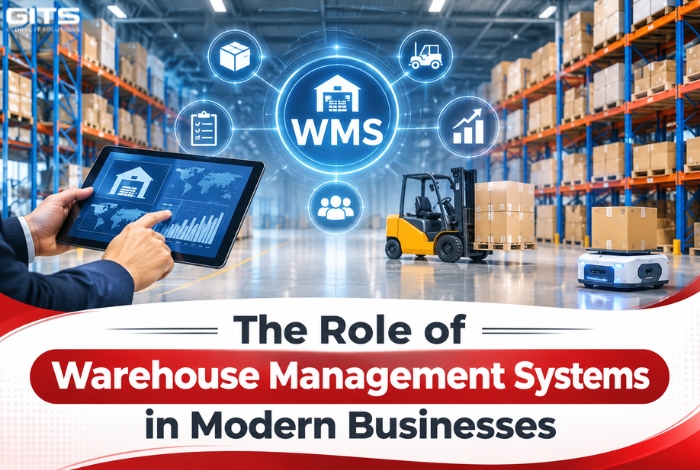
A Warehouse Management System (WMS) is a software solution designed to manage, control, and optimize warehouse operations, from receiving and storage to picking, packing, and shipping.
By centralizing warehouse data, WMS enables businesses to monitor inventory levels in real time, manage storage locations, track goods movement, and coordinate warehouse activities through a unified platform.
Unlike basic inventory management tools, a WMS provides more comprehensive control over warehouse workflows. It helps businesses make data-driven decisions, improve resource utilization, and maintain accurate inventory records across multiple warehouses and distribution centers.

Challenges of Traditional Warehouse Management
Many businesses still rely on spreadsheets, manual data entry, or disconnected systems to manage warehouse operations. While these methods may work for small-scale operations, they often create significant challenges as businesses expand.
Common issues include:
– Inaccurate inventory data: Manual updates and delayed reporting lead to discrepancies between recorded and actual stock levels.
– Inefficient warehouse operations: Poor storage planning and unoptimized picking processes increase handling time and labor costs.
– Limited operational visibility: Disconnected data makes it difficult to monitor inventory movements and warehouse performance.
– Higher operating costs: Repetitive manual tasks, inventory errors, and inefficient resource allocation reduce overall productivity.
– Difficult scalability: Traditional processes struggle to support multiple warehouses, growing order volumes, and increasingly complex supply chains.
A modern WMS helps address these challenges by standardizing workflows and connecting warehouse activities within a centralized digital environment.
Key Benefits of a Warehouse Management System
Improve Inventory Accuracy with Real-Time Visibility
WMS provides real-time visibility into inventory levels, locations, and movements. Businesses can track stock availability across warehouses, minimize discrepancies, and maintain more accurate inventory records.
With reliable inventory data, managers can make informed decisions about replenishment, purchasing, and order fulfillment while reducing the risks of overstocking and stockouts.

Optimize Inbound, Outbound, and Storage Operations
From receiving and put-away to picking, packing, and shipping, WMS streamlines warehouse workflows through standardized processes.
The system helps assign optimal storage locations, organize picking activities, and coordinate goods movement more effectively. This reduces unnecessary handling, shortens processing times, and improves order fulfillment performance.
Increase Productivity and Reduce Operating Costs
By automating repetitive tasks and improving resource allocation, WMS enables warehouse teams to accomplish more with fewer manual interventions.
Optimized workflows help reduce labor-intensive activities, minimize operational errors, and make better use of warehouse space and equipment. As a result, businesses can improve productivity while keeping operating costs under control.
Strengthen Warehouse Monitoring and Traceability
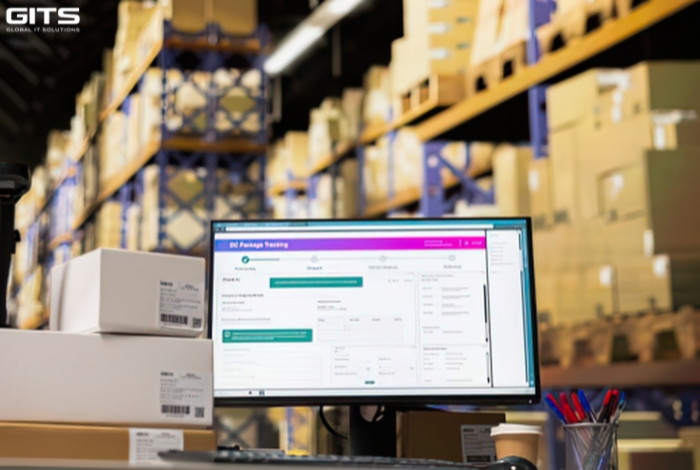
WMS records inventory movements and warehouse transactions throughout the entire process. Managers can monitor operational performance, identify bottlenecks, and trace goods based on relevant information such as product codes, batches, or serial numbers.
This level of traceability is particularly valuable for businesses in manufacturing, retail, food distribution, and other industries with strict inventory control requirements.
Essential Features of Warehouse Management Software
A comprehensive warehouse management software solution typically includes the following capabilities:
– Inventory Management: Monitor stock levels, product information, and inventory movements in real time.
– Inbound Management: Manage receiving, inspection, and put-away processes.
– Outbound Management: Coordinate order processing, picking, packing, and shipping.
– Warehouse Location Management: Optimize storage allocation and warehouse space utilization.
– Stocktaking Management: Support cycle counting and physical inventory reconciliation.
– Reporting and Analytics: Provide operational reports and performance insights to support decision-making.
Together, these capabilities create a centralized platform for managing warehouse operations with greater accuracy, consistency, and control.
WMS and the Future of Warehouse Digital Transformation with AI
As businesses accelerate digital transformation (DX), WMS is evolving beyond traditional warehouse management software into a foundation for intelligent and connected warehouse operations.
Integration with ERP, TMS, and other enterprise systems enables seamless data exchange across procurement, warehousing, transportation, and distribution. This creates greater supply chain visibility and improves coordination between business functions.
Emerging technologies are further expanding WMS capabilities:
– Artificial Intelligence (AI): Supports demand forecasting, inventory optimization, and operational planning.
– AI Agents: Can assist with data analysis, exception identification, and workflow coordination, subject to business rules and system integration.
– Internet of Things (IoT) and RFID: Enable automated data capture and real-time goods tracking.
– Autonomous Mobile Robots (AMRs): Support material handling and reduce manual movement within warehouses.
By combining WMS with AI Solutions and warehouse automation technologies, businesses can move toward smarter, more responsive, and increasingly autonomous warehouse operations.

When Should Businesses Implement a WMS?
A WMS becomes increasingly valuable when businesses experience:
– Growing inventory volumes and increasingly complex warehouse operations.
– Frequent stock discrepancies or difficulties maintaining inventory accuracy.
– High order volumes and pressure to accelerate fulfillment.
– Multiple warehouses or distribution centers requiring centralized control.
– Limited visibility into warehouse performance and operating costs.
– Plans to integrate logistics systems and accelerate digital transformation.
Implementing the right WMS solution helps businesses establish standardized warehouse processes and build a scalable foundation for long-term growth.
WMS: Building a Smarter Foundation for Warehouse Management
Effective warehouse management is no longer simply about storing and moving goods. It is about connecting data, people, and processes to create a more efficient and responsive supply chain.
A modern Warehouse Management System empowers businesses to improve inventory accuracy, optimize warehouse operations, reduce costs, and strengthen end-to-end visibility. More importantly, it lays the groundwork for broader digital transformation through integration with enterprise systems, AI, and automation technologies.
For businesses seeking greater operational efficiency and sustainable growth, investing in the right WMS solution is a strategic step toward building a smarter, more resilient supply chain.