






What Is a TMS? A Complete Guide to Transportation Management Systems
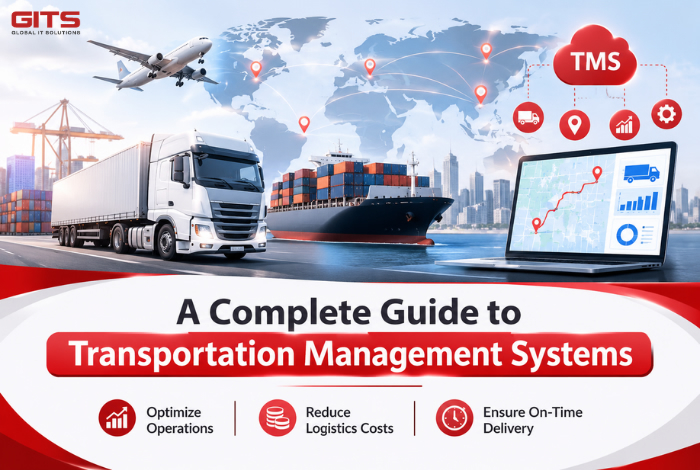
As logistics costs continue to rise and customer expectations for faster, more reliable deliveries grow, transportation management has become a critical challenge for businesses. Traditional methods relying on spreadsheets, phone calls, and disconnected systems often struggle to keep pace with increasingly complex supply chain operations.
A Transportation Management System (TMS) is a software solution that helps businesses plan, execute, monitor, and optimize transportation activities across the supply chain.
By centralizing transportation data on a unified platform, TMS enables businesses to manage shipping orders, allocate vehicles, optimize delivery routes, track shipments in real time, and control transportation expenses. This allows logistics teams to improve operational visibility, minimize manual errors, and make more informed decisions.
Today, TMS solutions are widely adopted across logistics, manufacturing, retail, distribution, and e-commerce industries, particularly by businesses managing large fleets or complex delivery networks.
Key Transportation Challenges Businesses Face
Transportation involves much more than moving goods from one location to another. It directly affects operating costs, delivery performance, customer satisfaction, and overall supply chain efficiency.
However, many businesses still face persistent operational challenges:
– Rising and unpredictable transportation costs: Fuel, tolls, labor, vehicle maintenance, and third-party carrier fees make transportation expenses difficult to control without centralized cost tracking.
– Inefficient fleet and route allocation: Manual dispatching can lead to empty truck runs, overlapping routes, underutilized vehicles, and unnecessary delivery delays.
– Limited shipment visibility: Disconnected communication channels make it difficult to monitor delivery progress, identify disruptions, and provide timely updates to customers.
– Fragmented operational data: Managing transportation activities across multiple tools increases administrative workloads and makes performance reporting and cost reconciliation more complicated.
For businesses in Vietnam and other fast-growing markets, these challenges become even more significant as delivery volumes increase and distribution networks expand. A modern TMS provides the foundation for addressing these issues through automation and data-driven transportation management.
Core Features of a Transportation Management System
A comprehensive Transportation Management System typically includes the following capabilities:
1. Transportation Order Management
TMS centralizes shipment information, including pickup and delivery locations, cargo details, delivery schedules, and transportation requirements. Automated order processing reduces manual data entry and improves order accuracy.
2. Route Planning and Optimization
The system helps identify optimal delivery routes based on distance, traffic conditions, vehicle capacity, and delivery schedules. This minimizes unnecessary mileage, reduces fuel consumption, and improves delivery efficiency.
3. Fleet and Driver Management
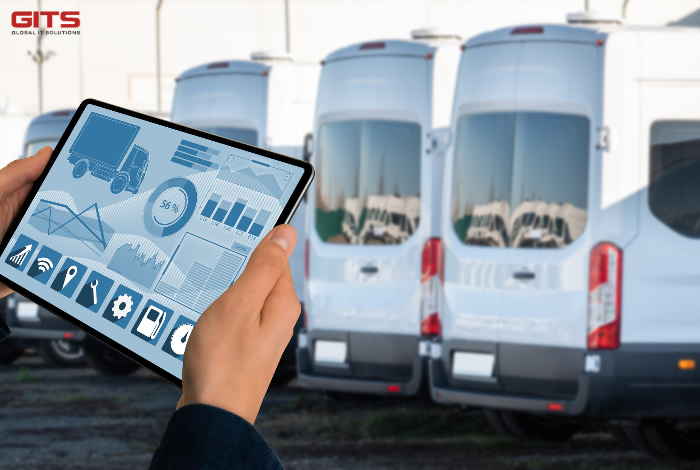
TMS provides centralized management of vehicles, drivers, maintenance schedules, and fleet availability. Logistics managers can monitor vehicle utilization and allocate transportation resources more effectively.
4. Real-Time Shipment Tracking
By integrating GPS, IoT devices, and connected technologies, TMS enables real-time visibility into vehicle locations, shipment statuses, and delivery progress. Businesses can identify potential delays and respond to disruptions more proactively.
5. Transportation Cost Management
The system records and analyzes transportation expenses, including fuel, tolls, maintenance, carrier charges, and delivery costs. Detailed cost reports help businesses identify inefficiencies and maintain better budget control.
6. Performance Reporting and Analytics
TMS provides operational insights through key performance indicators (KPIs), such as on-time delivery rates, transportation costs per shipment, fleet utilization, and driver performance. These insights support continuous operational improvement.
Business Benefits of Implementing TMS Software
Implementing transportation management software delivers measurable value across logistics operations and business performance.
– Lower logistics costs: Optimize routes, reduce empty miles, and minimize unnecessary transportation expenses.
– Higher operational efficiency: Automate dispatching, streamline order processing, and improve fleet utilization.
– Greater transportation visibility: Monitor shipment status and delivery performance through centralized data.
– Improved customer experience: Provide more accurate delivery information and minimize delays.
– Smarter decision-making: Use real-time analytics and performance reports to identify operational bottlenecks.
For businesses in Vietnam, where logistics costs and last-mile delivery demands remain significant concerns, TMS can become a strategic tool for improving competitiveness and operational resilience.
The Future of TMS: AI-Powered Logistics and Digital Transformation
Emerging technologies such as Artificial Intelligence (AI), the Internet of Things (IoT), Big Data, and cloud computing are transforming modern transportation management.
Beyond traditional tracking and reporting, AI-powered TMS solutions can analyze historical transportation data, forecast shipping demand, recommend optimal routes, and identify potential delivery disruptions.
AI Agents further expand these capabilities by supporting automated shipment monitoring, detecting operational anomalies, generating delay alerts, and recommending corrective actions based on predefined business rules.
Integration with other enterprise systems also creates a connected logistics ecosystem:
– WMS (Warehouse Management System): Synchronizes warehouse operations, inventory availability, and outbound transportation.
– ERP (Enterprise Resource Planning): Connects transportation activities with finance, procurement, sales, and business operations.
– DMS (Distribution Management System): Coordinates distribution networks, delivery orders, and sales channels.
– GPS and IoT: Enables real-time vehicle tracking and transportation condition monitoring.
This integrated approach is particularly valuable for manufacturers and logistics providers in Japan, South Korea, and Vietnam, where operational precision, supply chain visibility, and continuous improvement are essential business priorities.

>>> See More: AI Route Optimization Agents vs Traditional TMS
Which Businesses Should Implement a TMS?
A Transportation Management System is suitable for organizations with frequent shipping activities or complex transportation networks.
– Logistics and transportation providers: Manage fleets, drivers, shipments, and delivery operations from one platform.
– Manufacturers: Coordinate raw material transportation, finished goods distribution, and factory-to-warehouse deliveries.
– Retailers and e-commerce businesses: Optimize last-mile delivery, track orders, and meet increasing customer expectations.
– Distribution companies: Manage delivery schedules, transportation routes, and multi-location distribution networks.
Businesses experiencing rising logistics costs, inefficient dispatching, limited shipment visibility, or rapid operational expansion should consider TMS as a strategic investment in digital transformation.
TMS: Building Smarter and More Resilient Transportation Operations
As supply chains become increasingly interconnected and customer expectations continue to evolve, efficient transportation management is no longer optional. It is essential to maintaining long-term business competitiveness.
A Transportation Management System (TMS) enables businesses to move beyond manual coordination toward centralized, transparent, and data-driven transportation operations.
Combined with AI, IoT, and integration capabilities across WMS, ERP, and DMS, TMS does more than optimize individual shipments. It helps establish a connected, intelligent, and scalable logistics ecosystem.
Investing in TMS is a strategic step toward reducing logistics costs, maximizing resource utilization, and building a more agile supply chain for the future.