





Enterprise AI is entering a new phase where isolated automation tools are no longer enough to manage increasingly complex business operations. Organizations today must coordinate massive data ecosystems, real-time workflows, and intelligent decision-making across multiple departments simultaneously.
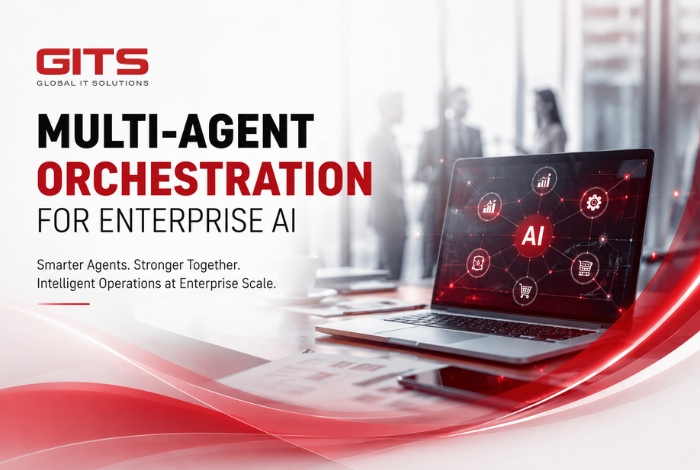
Multi-agent orchestration is emerging as a core foundation for modern enterprise AI systems. By enabling autonomous AI agents to collaborate dynamically, enterprises can build scalable operations, improve workflow automation, and accelerate AI-driven transformation across logistics, manufacturing, healthcare, retail, and other industries.
What Is Multi-Agent Orchestration?
Multi-agent orchestration is an enterprise AI framework that coordinates multiple autonomous AI agents within a unified operational environment. Each AI agent performs specialized tasks independently while continuously exchanging contextual information with other agents to achieve shared business objectives.
Unlike traditional AI automation models that operate in isolated workflows, multi-agent systems distribute intelligence across multiple interconnected agents. One agent may analyze operational data, another may optimize resource allocation, while others monitor workflows, predict disruptions, or automate customer interactions in real time.
This architecture enables enterprises to create adaptive AI ecosystems capable of scaling far beyond conventional automation systems.
Why Multi-Agent Systems Are Becoming Essential for Enterprises
As enterprises accelerate digital transformation and AX initiatives, operational complexity continues to increase. Businesses must manage supply chain volatility, growing customer expectations, fragmented enterprise systems, and rising operational costs simultaneously.
Traditional automation systems often struggle because they rely heavily on static workflows and centralized decision-making structures. Multi-agent orchestration solves this limitation by enabling decentralized AI collaboration across enterprise environments.
For enterprise leaders, this creates several strategic advantages.
Faster Real-Time Decision Making
AI agents can process operational data simultaneously across multiple business functions. This enables enterprises to respond faster to disruptions, demand fluctuations, production bottlenecks, and customer behavior changes.
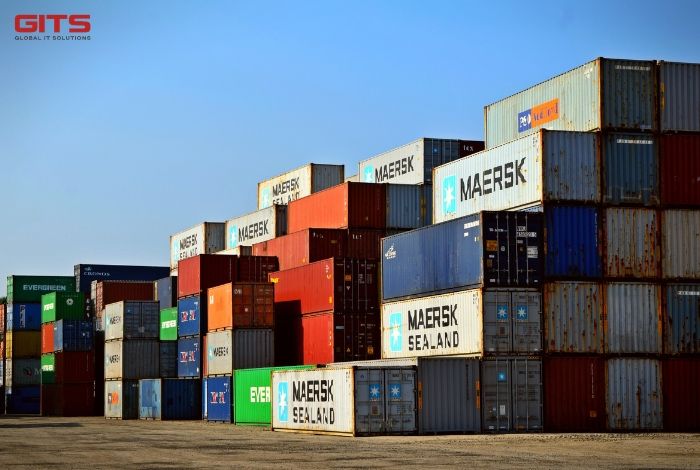
In logistics environments, AI agents can automatically reroute shipments during port congestion while coordinating warehouse inventory adjustments in real time.
Smarter Workflow Automation
Multi-agent systems create more adaptive automation compared to rule-based workflows. AI agents can adjust operational decisions dynamically based on contextual changes without requiring constant human intervention.
This allows enterprises to reduce manual coordination while improving operational resilience.
Improved Enterprise Scalability
As operations expand, enterprises often face increasing workflow complexity. Multi-agent orchestration distributes workloads across specialized AI agents, allowing organizations to scale more efficiently without overwhelming centralized systems.
This is particularly valuable for global enterprises managing high-volume operations across multiple regions.
Better Cross-Functional Collaboration
Enterprise inefficiencies frequently occur because departments operate with disconnected systems and fragmented data.
Multi-agent orchestration enables AI agents to share contextual information across logistics, procurement, manufacturing, finance, customer service, and sales operations. This creates more synchronized enterprise decision-making.

Core Components of Multi-Agent Enterprise Architecture
Successful enterprise multi-agent systems require several foundational layers working together cohesively.
Autonomous AI Agents
Each AI agent is designed to handle specialized operational responsibilities such as forecasting, monitoring, scheduling, optimization, analytics, or automation.
These agents may leverage large language models, machine learning systems, predictive analytics, reinforcement learning, or generative AI technologies depending on enterprise objectives.
Enterprise Orchestration Layer
The orchestration layer acts as the central coordination framework connecting all AI agents together.
This layer manages communication, workflow sequencing, priority allocation, context sharing, and operational synchronization across the enterprise environment.
Without orchestration, AI agents risk becoming fragmented automation tools instead of collaborative enterprise systems.
Shared Enterprise Knowledge Systems
Multi-agent systems rely heavily on unified enterprise data environments.
These may include:
– ERP platforms
– CRM systems
– TMS and WMS platforms
– Real-time operational databases
– Knowledge graphs
– AI memory systems
– Cloud infrastructure
Shared contextual awareness enables AI agents to make more accurate and coordinated operational decisions.
Governance and AI Security
Enterprise AI deployment requires strict governance frameworks to maintain operational security and compliance.
Organizations must establish:
– Access control systems
– AI monitoring frameworks
– Human approval checkpoints
– Compliance management
– Data governance policies
– AI accountability standards
This is especially critical in highly regulated industries such as healthcare, finance, and manufacturing.

Multi-Agent Orchestration and AX Transformation
AX transformation is rapidly becoming a strategic priority for enterprises across Japan, South Korea, and global technology markets.
Unlike traditional digital transformation, AX focuses on integrating AI directly into enterprise operational structures, enabling businesses to become AI-native organizations.
Multi-agent orchestration plays a central role in this transformation by enabling autonomous operational intelligence at scale.
Instead of using AI merely as a support tool, enterprises can build intelligent ecosystems where AI agents actively coordinate workflows, optimize decisions, and automate operational processes continuously.
This creates significant opportunities for organizations seeking to modernize enterprise infrastructure while improving agility and competitiveness.

Enterprise Applications Across Industries
Logistics and Supply Chain
Multi-agent orchestration is transforming logistics operations by enabling intelligent coordination across transportation, warehousing, inventory management, and forecasting systems.
AI agents can monitor delivery routes, predict supply chain disruptions, optimize fleet utilization, and balance inventory levels dynamically.
For logistics enterprises operating across Asia-Pacific markets, this creates faster response capabilities and higher operational precision.
Manufacturing and Smart Factories
Manufacturing enterprises are increasingly adopting multi-agent systems to build autonomous production environments.
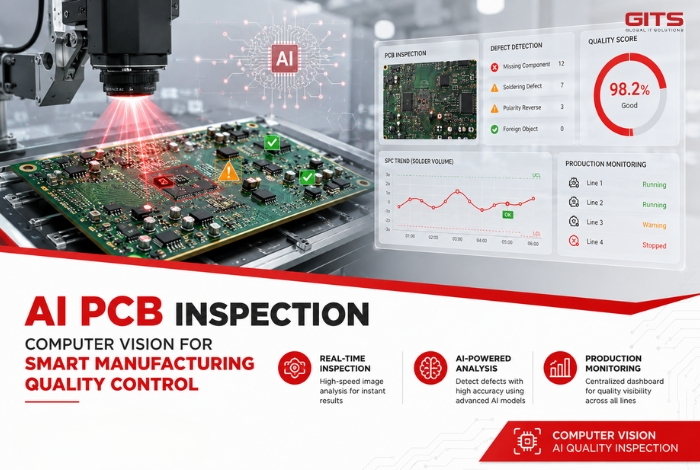
AI agents can monitor machinery performance, detect anomalies, trigger predictive maintenance workflows, and optimize production scheduling simultaneously.
This helps manufacturers reduce downtime while improving production efficiency and operational stability.
Healthcare Operations
Healthcare providers are using multi-agent orchestration to improve patient workflow management, clinical coordination, and operational resource allocation.
AI agents can automate appointment scheduling, monitor patient flow, optimize staffing, and support clinical decision-making systems.
As healthcare systems face increasing operational pressure globally, intelligent AI coordination is becoming increasingly valuable.
Retail and E-Commerce
Retail enterprises are leveraging multi-agent systems to improve customer engagement and business intelligence.
AI agents can coordinate demand forecasting, inventory synchronization, pricing optimization, customer personalization, and omnichannel operations in real time.
This enables retailers to create more responsive and data-driven customer experiences.
Key Challenges of Multi-Agent Enterprise Deployment
Despite its advantages, deploying enterprise multi-agent systems requires careful planning and technical maturity.
Enterprise System Complexity
As the number of AI agents increases, orchestration complexity grows significantly. Enterprises require scalable AI infrastructure capable of handling large-scale communication and workflow coordination efficiently.
Legacy System Integration
Many organizations still rely on fragmented legacy systems that limit interoperability.
Successful deployment requires strong API architecture, real-time data integration, and unified enterprise data strategies.
AI Governance and Compliance
As AI agents gain operational autonomy, governance becomes increasingly important.
Organizations must ensure enterprise AI systems remain transparent, secure, compliant, and aligned with human oversight policies.
>>> See More: Top AI Solution Trends for Enterprise Growth in 2026
The Future of Multi-Agent Enterprise AI
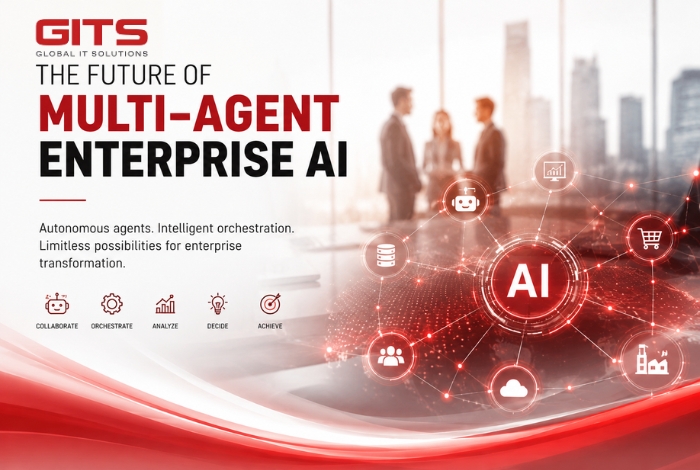
The future of enterprise AI is shifting toward collaborative AI ecosystems powered by autonomous AI agents and intelligent orchestration frameworks.
Over the next decade, enterprises are expected to adopt increasingly advanced AI-native operational models capable of self-optimization, adaptive automation, and intelligent coordination at scale.
Future innovations may include:
– Autonomous enterprise workflows
– Self-improving AI agents
– Cross-platform AI collaboration
– AI-native operational infrastructure
– Intelligent enterprise decision networks
– Agentic AI ecosystems
Organizations that invest early in multi-agent orchestration will gain stronger operational agility, faster innovation cycles, and long-term competitive advantages in the AI-driven economy.
Why Multi-Agent Orchestration Will Define the Future of Enterprise Operations
Multi-agent orchestration is becoming one of the most important foundations of next-generation enterprise AI infrastructure. By enabling autonomous AI agents to collaborate intelligently, businesses can automate complex workflows, improve real-time decision-making, and build scalable operational ecosystems.
From logistics and manufacturing to healthcare and retail, enterprises are increasingly adopting multi-agent systems to accelerate AX transformation and modernize enterprise operations.
As AI adoption continues accelerating across global markets, organizations that successfully integrate multi-agent orchestration into their enterprise strategy will be better positioned to lead the future of intelligent business operations.