







Warehouse Management System: 7 Essential Features
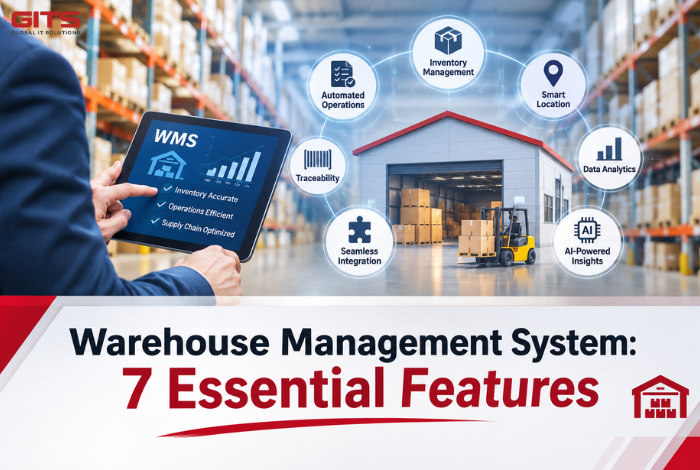
As e-commerce continues to expand and supply chains become increasingly complex, businesses face growing pressure to improve warehouse efficiency while controlling operational costs. Yet many organizations still rely on spreadsheets, manual processes, or disconnected management systems. These outdated approaches often lead to inaccurate inventory records, misplaced goods, delayed order fulfillment, and limited operational visibility.
To overcome these challenges, a Warehouse Management System (WMS) has become an essential component of enterprise digital transformation. Beyond tracking inventory, a modern WMS automates warehouse processes, optimizes storage capacity, and provides accurate data to support better business decisions.
So, what features should businesses look for when choosing a warehouse management system?
What Is a Warehouse Management System (WMS)?
A Warehouse Management System (WMS) is software designed to manage and control end-to-end warehouse operations, including receiving, storage, inventory tracking, order fulfillment, and shipping.
Unlike traditional inventory tools that primarily record stock quantities, a WMS provides real-time visibility into product locations, inventory status, and movement history.
By integrating technologies such as barcodes, QR codes, RFID, mobile devices, and warehouse automation, businesses can reduce manual workloads, minimize errors, and improve operational productivity.
When integrated with ERP, Transportation Management Systems (TMS), and supply chain platforms, WMS becomes a critical component of a connected and intelligent logistics ecosystem.
7 Essential Features of Modern Warehouse Management Software
An effective WMS is not simply about having more features. It should address real operational challenges and help businesses build a more efficient, scalable warehouse. Here are seven essential capabilities to consider.
1. Real-Time Inventory Management
Discrepancies between recorded inventory and actual stock levels are among the most common warehouse challenges. Without timely updates, businesses may experience phantom inventory, unexpected stockouts, or excess stock that ties up working capital.
A modern WMS automatically updates inventory quantities after every receiving, picking, transfer, or stocktaking transaction. Managers can monitor product quantities, locations, and statuses in real time.
The system can also establish minimum and maximum stock thresholds and generate alerts when inventory runs low or remains inactive for too long. This helps businesses maintain optimal stock levels and improve replenishment planning.
2. Automated Receiving and Shipping Processes
Manual warehouse operations are time-consuming, heavily dependent on employee experience, and increasingly prone to errors as order volumes grow.
Modern warehouse management software should automate workflows from goods receiving and document verification to picking, packing, and shipping.
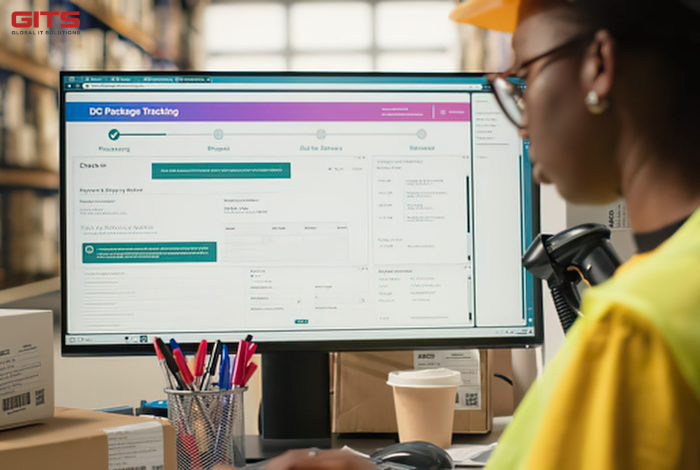
With barcode scanning, QR codes, or RFID technology, employees can quickly verify product information without repetitive manual data entry. Every transaction is recorded automatically, improving accuracy and accelerating order fulfillment.
3. Smart Bin Location Management
Poor warehouse space utilization increases storage costs, extends product search times, and reduces picking productivity.
Smart bin location management enables businesses to organize warehouses into clearly defined zones, aisles, racks, and storage bins. Based on product characteristics, picking frequency, and available capacity, the WMS can recommend suitable storage locations.
It also supports inventory rotation strategies such as FIFO (First In, First Out) and FEFO (First Expired, First Out), which are particularly valuable for food, pharmaceutical, and consumer goods businesses.
4. Inventory Auditing and Product Traceability
Traditional stocktaking can disrupt daily warehouse operations, while limited product traceability makes it difficult to identify the source and scope of inventory issues.
A modern WMS supports both full inventory counts and cycle counting, automatically comparing physical stock levels against system records.
In addition, tracking products through SKU codes, lot numbers, serial numbers, and expiration dates enables businesses to monitor product lifecycles and quickly identify affected inventory when issues arise.
This capability is especially important in manufacturing, food processing, pharmaceuticals, and electronics industries.
5. Warehouse Reporting and Data Analytics
Without centralized operational data, warehouse managers often struggle to evaluate performance and identify inefficiencies.
WMS reporting and analytics consolidate key performance indicators (KPIs), including inventory accuracy, order fulfillment speed, picking error rates, inventory turnover, and labor productivity.
Through intuitive dashboards, managers can monitor warehouse performance in real time, identify operational bottlenecks, and make data-driven decisions rather than relying solely on experience.
These insights also provide a foundation for demand forecasting and more effective inventory planning.
6. AI Integration and Intelligent Automation
Artificial intelligence is transforming warehouse management from a largely reactive process into a more predictive and intelligent operation.
By analyzing historical data, modern WMS solutions can support demand forecasting, identify inventory trends, and recommend replenishment strategies.
AI Agents can further enhance warehouse operations by monitoring stock thresholds, detecting unusual transactions, alerting managers to potential stockouts, and recommending actions based on predefined business rules.
Combined with IoT devices, sensors, and warehouse automation technologies, these capabilities help businesses move toward a Smart Warehouse model, reduce repetitive tasks, and respond more effectively to supply chain fluctuations.
7. Seamless Integration with ERP, TMS, and Other Systems
An isolated warehouse management system may support internal operations, but it cannot provide complete visibility across the entire supply chain.
A modern WMS should integrate with ERP systems to synchronize procurement, sales, and financial data; connect with TMS platforms to coordinate transportation; and link with e-commerce platforms, POS systems, and order management solutions.
This integration creates a seamless flow of information from purchasing and receiving to storage, distribution, and final delivery.
For businesses operating multiple warehouses or across different countries, flexible integration and scalability also reduce administrative complexity, eliminate data silos, and support broader digital transformation initiatives.

>>> See More: Digital Transformation: GITS’ Approach to Business DX
What Should Businesses Consider When Choosing a WMS?
Not every warehouse management system fits every business model. Before implementation, organizations should evaluate warehouse size, product characteristics, transaction volumes, operational complexity, and compatibility with existing systems.
Beyond core functionality, businesses should prioritize solutions that offer customizable workflows, user-friendly interfaces, strong data security, and scalability to support future growth.
Most importantly, WMS should be viewed as part of a long-term supply chain optimization strategy rather than simply a replacement for spreadsheets or manual processes.

A Modern WMS: The Foundation of Smarter Warehouse Operations
A modern Warehouse Management System does more than improve inventory accuracy. It helps businesses build a competitive advantage through automation, data-driven insights, and end-to-end supply chain connectivity.
With these seven essential features, organizations can address operational bottlenecks, reduce costs, and respond more effectively to changing market demands.
As digital transformation continues to reshape the logistics landscape, investing in the right WMS is a strategic step toward building a smarter, more agile, and future-ready warehouse.