






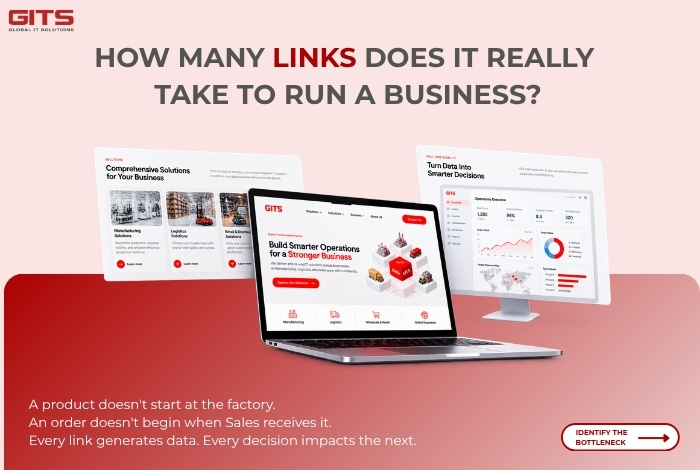
A business is more than a collection of departments, software platforms, and operational tasks. It is a connected flow of decisions, information, materials, and activities that move from suppliers to customers.
Yet, in many enterprises, these connections remain fragmented. Purchasing manages supplier information, warehouses maintain inventory records, Sales checks product availability, and Logistics coordinates deliveries across separate systems or spreadsheets.
Each department may be working efficiently on its own. But when information cannot flow seamlessly between them, the entire business becomes harder to manage.
The real challenge is not how many systems a business uses. It is how effectively those systems, people, and processes work together.
Every Business Depends on a Connected Operational Flow
A product does not begin its journey when it leaves the factory. Its journey starts much earlier, with demand forecasting, supplier coordination, purchasing, and production planning.
Likewise, fulfilling an order involves more than receiving a request from a customer. It requires accurate inventory information, warehouse coordination, transportation planning, and timely delivery confirmation.
An end-to-end operational flow typically connects:
Supplier → Purchasing → Production → Warehouse → Distribution → Order Management → Transportation → Customer
Each link generates operational data and triggers decisions that affect the next stage. When these connections work effectively, enterprises can coordinate resources, respond to changing demand, and maintain greater control over their distribution operations.
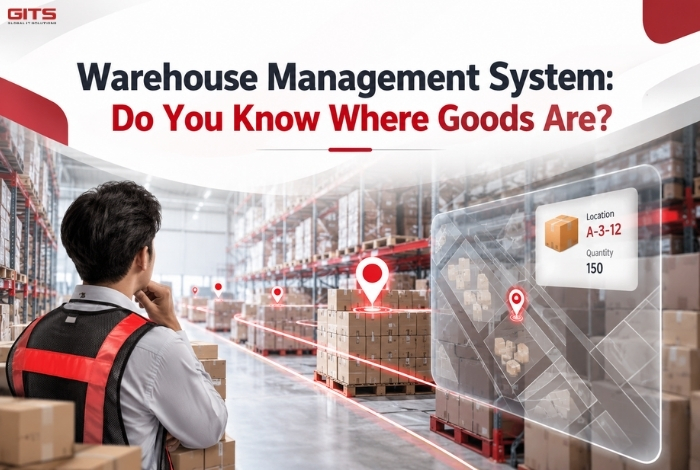
However, when one link operates independently, the consequences can spread across the entire chain. A delayed purchasing update may affect production planning. An inaccurate inventory record may lead to an unfulfilled order. A missed warehouse update may disrupt delivery scheduling.
For enterprises operating across multiple locations, sales channels, or international markets, these gaps can become increasingly difficult to manage.
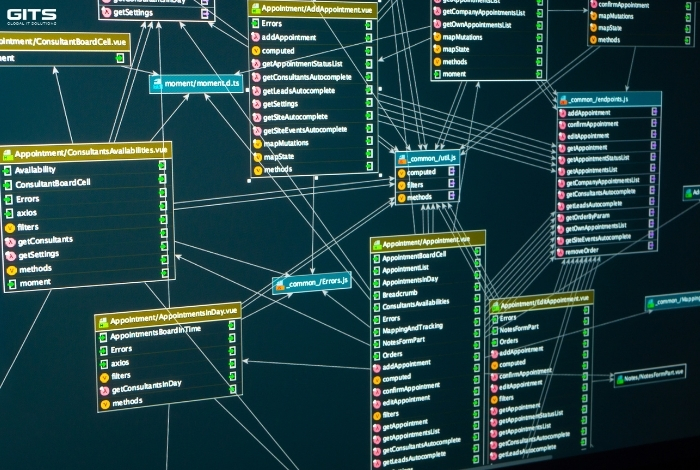
Why Do Businesses Still Struggle with Operational Visibility?
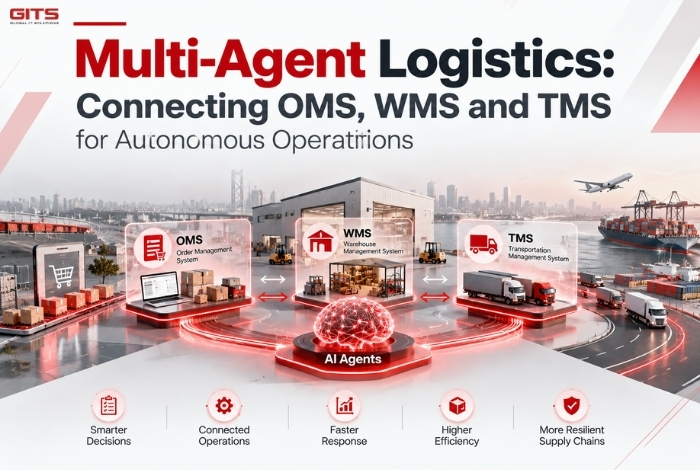
Digital transformation has encouraged enterprises to adopt ERP, Warehouse Management Systems (WMS), Order Management Systems (OMS), and Transportation Management Systems (TMS). However, implementing individual systems does not automatically create an integrated operation.
The underlying problem often lies in how information moves between functions.
Fragmented Data Creates Conflicting Decisions
When departments maintain separate databases, spreadsheets, or disconnected applications, the same business information may appear differently across systems. Teams spend valuable time verifying stock levels, reconciling orders, and confirming delivery schedules instead of focusing on higher-value activities.
Without reliable, shared data, managers may struggle to distinguish between actual operational conditions and outdated reports.

Manual Coordination Slows Down Execution
Email exchanges, phone calls, and repetitive data entry may keep daily operations running, but they become less manageable as transaction volumes grow.
A single order change can require multiple teams to update records and communicate adjustments. If one update is missed, the business may face incorrect allocations, delayed shipments, or unnecessary rework.
Limited Visibility Makes Proactive Management Difficult
When operational information is scattered across systems, management often sees problems only after they affect performance.
Inventory shortages, delayed deliveries, excess stock, and capacity constraints may remain unnoticed until someone manually identifies them. This limits the organization’s ability to anticipate risks and respond before they escalate.
Having data is not the same as having visibility. True operational visibility means understanding what is happening, why it is happening, and what action is needed next.

How Business Process Integration Connects the Entire Flow
Business process integration connects workflows, applications, and data so that information can move consistently across the organization.
Rather than optimizing each department in isolation, enterprises can establish a shared operational view from procurement and inventory management to order fulfillment and final delivery.
For example, when Sales receives an order, an integrated process can check inventory availability, initiate warehouse fulfillment, and share relevant information with transportation planning. If stock is insufficient, the workflow can trigger replenishment or procurement processes according to predefined business rules.
This approach helps organizations reduce duplicated work, improve coordination, and make decisions based on more consistent information.
The goal is not necessarily to replace every existing system. In many cases, the better approach is to integrate suitable systems, standardize critical data, and redesign workflows around business priorities.
For distribution-driven enterprises, this can create a stronger foundation for inventory accuracy, order visibility, delivery coordination, and scalable operations.

>>> See More: Enterprise AI Infrastructure for AI Transformation
Where Should Digital Transformation Begin?
Before investing in another platform or advanced technology, enterprises should understand how their operations actually work today.
A structured Digital Transformation (DX) approach begins with the current state and moves toward a clearly defined future state.
Map the AS-IS Operational Flow
Identify how information, materials, and decisions move across departments, systems, suppliers, and customers. Document manual tasks, duplicated data, approval steps, and points where information becomes unavailable or delayed.
Identify the Most Critical Operational Gaps
Not every process requires immediate automation. Prioritize bottlenecks according to their impact on cost, service quality, delivery performance, inventory control, and business scalability.
Design the TO-BE Process
Define how the future workflow should operate, including data ownership, system responsibilities, integration requirements, and measurable performance indicators.
Implement and Integrate the Right Digital Solutions
Select technologies based on the operational problems identified. Depending on business requirements, this may involve ERP integration, WMS, OMS, TMS, distribution management solutions, cloud infrastructure, or targeted AI capabilities.
This sequence helps prevent a common mistake: digitizing an inefficient process without addressing the underlying operational issue.
From Connected Systems to Intelligent Operations with AI Agents
Once core processes and data flows are connected, enterprises can explore more advanced capabilities through AI Solutions and Agentic AI.
Traditional automation typically executes predefined rules. AI Agents can go further by interpreting available information, identifying relevant conditions, and supporting or carrying out defined tasks within an authorized workflow.
For example, an inventory AI Agent could help detect potential stock shortages and recommend replenishment actions. A logistics AI Agent could identify delivery exceptions and support the evaluation of alternative responses. A management-facing AI Agent could consolidate operational information and surface issues requiring attention.
The actual capabilities depend on data quality, system integration, permissions, and the level of autonomy configured.
AI should therefore be introduced with a clear operational purpose, appropriate human oversight, and measurable success criteria. Connecting the underlying processes remains essential; adding AI to fragmented data can simply accelerate existing problems.
For enterprises pursuing AX (AI Transformation), the opportunity is to move from isolated digital tools toward operations that are increasingly connected, data-driven, and responsive.
How GITS Helps Enterprises Build End-to-End Operational Visibility
At GITS, digital transformation starts with understanding the business flow, not simply selecting a technology.
As a DX consulting and technology solutions partner for Manufacturing, Logistics, and Wholesale/Retail, GITS helps enterprises identify operational gaps and develop practical approaches to process integration.
Our approach follows a structured sequence:
AS-IS → PAIN POINT → TO-BE → DIGITAL SOLUTION → INTEGRATION
By connecting business requirements with appropriate technical solutions, enterprises can establish a clearer view of their operations, improve cross-functional coordination, and create a foundation for future automation and AI adoption.
The right solution depends on each organization’s existing systems, operating model, integration requirements, and strategic objectives. Rather than applying a one-size-fits-all approach, the priority is to build a connected operational flow that supports real business needs.

Better Business Performance Starts with Better Connections
How many links does it really take to run a business? As many as the business needs to create value, serve customers, and operate reliably.
The more important question is whether those links work together.
When procurement, production, inventory, order management, distribution, and transportation operate as disconnected functions, even well-equipped enterprises can struggle with limited visibility and slow decision-making.
By mapping operational workflows, addressing critical gaps, and integrating the right digital solutions, organizations can turn fragmented activities into a more connected and manageable business flow.
Digital transformation is not about adding more systems. It is about making every critical connection work better.
Ready to understand where your operational flow breaks down?
Contact GITS to explore an End-to-End Operational Flow Assessment and identify practical opportunities for your next DX initiative.