







Logistics Software Integration: Connecting Supply Chains
As supply chains become increasingly complex, logistics businesses face growing pressure to deliver faster, control operating costs, and maintain end-to-end visibility. However, when different departments rely on disconnected software systems, data becomes fragmented, workflows lose consistency, and decision-making often depends on manual reporting.
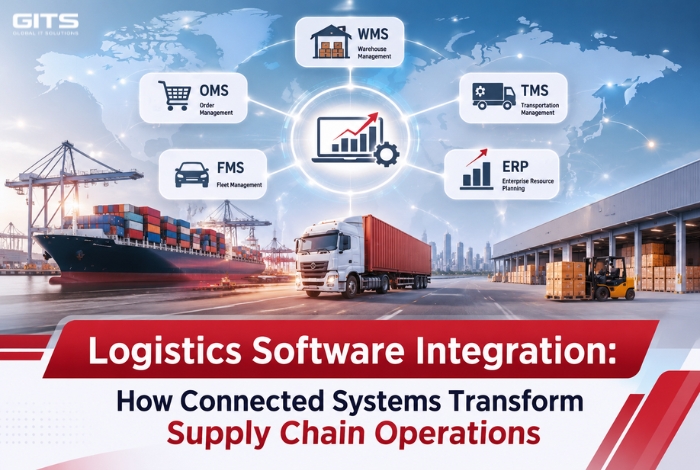
This is where Logistics Software Integration becomes essential. By connecting Transportation Management Systems (TMS), Warehouse Management Systems (WMS), Order Management Systems (OMS), and Enterprise Resource Planning (ERP), businesses can establish a unified digital ecosystem that streamlines operations from order processing to final delivery.
But how does system integration transform logistics operations, and what should businesses consider when implementing it?
What Is Logistics Software Integration?
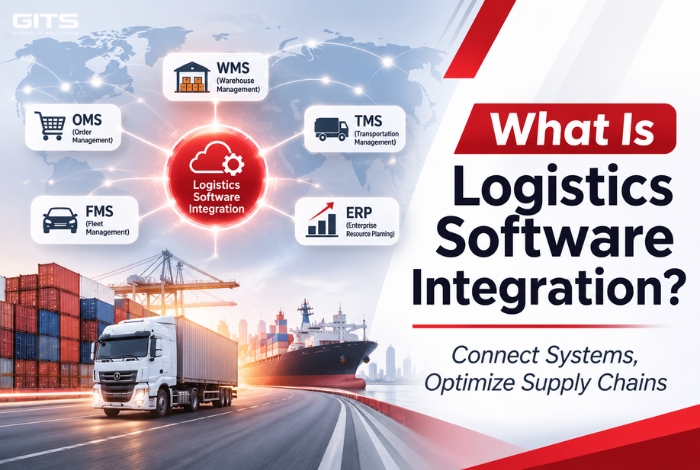
Logistics Software Integration is the process of connecting different software applications used across logistics and supply chain operations, enabling seamless data exchange and coordinated workflows.
Instead of manually transferring information between spreadsheets, emails, and standalone platforms, businesses can synchronize operational data through APIs, middleware, or Electronic Data Interchange (EDI).
A connected logistics ecosystem typically includes:
- OMS (Order Management System): Centralizes orders and coordinates order fulfillment.
- WMS (Warehouse Management System): Manages inventory, storage locations, picking, and packing.
- TMS (Transportation Management System): Optimizes transportation planning, delivery routes, and shipment tracking.
- FMS (Fleet Management System): Monitors vehicles, drivers, schedules, and fleet performance.
- ERP (Enterprise Resource Planning): Connects logistics operations with finance, procurement, accounting, and business management.
The real value lies not in the number of software applications a company owns, but in how effectively these systems work together.
Why Do Businesses Need Logistics System Integration?
Investing in multiple software solutions does not automatically guarantee operational efficiency. Without proper integration, even advanced systems can create information silos that slow down the entire supply chain.
Fragmented Data and Inaccurate Information
When OMS, WMS, and TMS operate independently, order details, inventory levels, and delivery statuses may not stay synchronized. Employees must repeatedly verify information across platforms, increasing manual workloads and the risk of errors.
System integration creates a unified data flow, allowing departments to access consistent, up-to-date information.
Rising Logistics Costs and Limited Cost Visibility
Disconnected systems make it difficult to track transportation expenses, warehouse costs, labor utilization, and unexpected operational charges.
By connecting logistics data, businesses can identify inefficiencies, reduce unnecessary processes, and make better resource allocation decisions.
Limited Real-Time Supply Chain Visibility
Delayed updates make it harder to identify shipment disruptions, inventory shortages, and delivery delays before they affect customers.
Integrated systems provide greater visibility across the supply chain, helping businesses respond faster and maintain more reliable operations.
How TMS, WMS, and OMS Integration Transforms Logistics
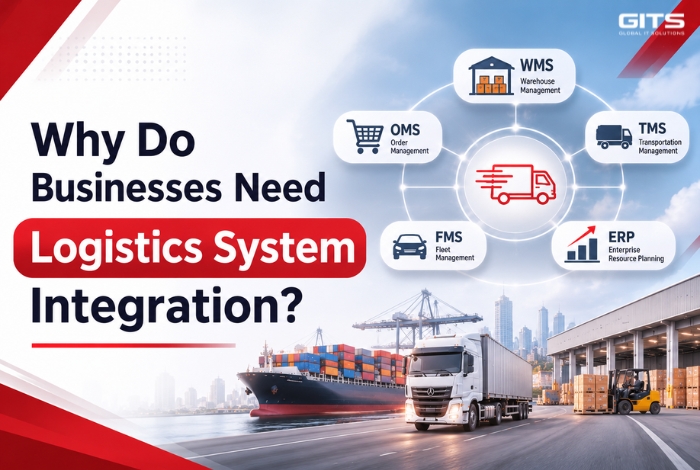
Connecting core logistics platforms creates a coordinated operational environment where information moves seamlessly between departments.
OMS and WMS: Synchronizing Orders and Warehouse Operations
When OMS receives an order, the information is automatically transferred to WMS for inventory verification, storage allocation, picking, and packing.
Once warehouse processing is complete, WMS updates the order status, allowing OMS to coordinate the next fulfillment steps.
This reduces inventory discrepancies, duplicate processing, and order fulfillment delays.
WMS and TMS: Connecting Warehouse and Transportation Operations
Once an order is ready for dispatch, WMS transfers shipment information to TMS for delivery planning, vehicle allocation, and route optimization.
TMS then updates delivery progress, allowing warehouse teams, transportation managers, and customer service departments to maintain a consistent view of shipment status.
TMS and FMS: Improving Fleet and Transportation Management
Integrating TMS with FMS connects transportation plans with real-time vehicle and driver information.
Businesses can monitor vehicle locations, delivery schedules, fleet utilization, and driver performance, helping reduce empty trips and improve transportation efficiency.
ERP and Logistics Systems: Connecting Operations with Business Management
Integrating ERP with TMS, WMS, and OMS synchronizes logistics information with financial, accounting, procurement, and inventory management processes.
This gives management a more comprehensive view of operational performance and business costs.
5 Key Benefits of Logistics Software Integration
Connecting logistics systems delivers more than technical convenience. It creates measurable opportunities to improve business performance.
1. Greater Supply Chain Visibility: Centralized data provides a unified view of orders, inventory, transportation, and delivery activities.
2. Lower Operating Costs: Connected workflows help identify inefficiencies, eliminate redundant tasks, and optimize resource utilization.
3. Faster Operational Processes: Automated data exchange reduces manual entry, minimizes errors, and accelerates order fulfillment.
4. Better Customer Experience: Real-time shipment updates enable proactive communication and faster issue resolution.
5. Improved Business Scalability: Flexible integrations make it easier to expand warehouses, fleets, branches, and distribution networks without rebuilding the entire technology infrastructure.
AI and Automation: The Next Evolution of Integrated Logistics
Once logistics data is connected and standardized, businesses can unlock greater value through Artificial Intelligence (AI), Machine Learning, IoT, and AI Agents.
AI can support demand forecasting, inventory analysis, and resource allocation. IoT devices provide real-time data from vehicles, warehouse equipment, and sensors, improving operational monitoring.
Meanwhile, AI Agents introduce new possibilities for automating multi-step logistics workflows. For example, when a potential delivery delay is detected, an AI Agent can analyze the issue, recommend alternative transportation arrangements, and initiate an approval request.
However, successful AI adoption depends on accurate data, reliable system integration, and appropriate human oversight.
>>> See More: Multi-Agent Logistics: Connecting OMS, WMS and TMS
Key Considerations for Implementing Logistics Integration
To avoid unnecessary investment and operational disruption, businesses should approach integration with a structured implementation strategy.
- Assess existing systems: Identify current software, data gaps, and critical integration requirements.
- Standardize data: Establish consistent formats for orders, products, customers, and operational records.
- Choose the right integration architecture: Select APIs, middleware, or EDI based on existing infrastructure and business needs.
- Implement in phases: Prioritize high-impact connections such as OMS, WMS, and TMS before expanding to ERP and AI solutions.
- Ensure security and scalability: Establish access controls, data protection, backup procedures, and system monitoring.
For businesses operating in Japan and South Korea, system reliability, data accuracy, traceability, and compatibility with existing enterprise platforms are particularly important considerations.
Build a Smarter, More Connected Logistics Ecosystem with GITS
In today’s digital economy, competitive advantage no longer comes from simply owning multiple software applications. It comes from connecting systems, eliminating data silos, and turning operational information into actionable business insights.
Logistics Software Integration enables businesses to establish a more transparent, efficient, and scalable supply chain while creating a strong foundation for AI-driven automation and intelligent operations.
GITS supports businesses throughout their logistics digital transformation journey, delivering custom software development, system integration, and tailored technology solutions aligned with specific operational requirements.
Rather than investing in disconnected applications, businesses can build an integrated logistics ecosystem designed to improve performance, control costs, and support sustainable growth.