






Across modern enterprises, operations are increasingly driven by connected systems, digital platforms, and vast volumes of real-time data. Yet many organizations still struggle to convert this data into meaningful operational intelligence. AI Agent technology is emerging as a powerful solution, enabling enterprises to automate decisions, analyze complex environments, and optimize workflows across industries. From connected IoT devices to large-scale logistics networks, AI Agents are transforming how organizations operate and respond to dynamic business environments.
Why AI Agents Are Becoming Essential for Enterprise Operations
Enterprise environments today are more interconnected than ever before. Manufacturing plants operate thousands of sensors, logistics networks manage complex supply chains, and digital platforms generate continuous streams of operational data.
However, the challenge is not the availability of data — it is the ability to interpret and act on that data quickly and intelligently.
Traditional automation systems rely heavily on predefined rules. While effective in predictable environments, these systems often struggle when conditions change or when decisions require analyzing multiple data sources simultaneously.
This is where AI Agents bring significant value.
An AI Agent is an intelligent software entity capable of:
– Monitoring data streams and system states
– Interpreting operational context
– Making autonomous or assisted decisions
– Triggering actions across enterprise systems
– Unlike traditional automation tools, AI Agents can continuously learn from operational data, enabling organizations to build adaptive, intelligent operations.
For enterprise leaders, this means moving from reactive management toward proactive operational intelligence.
How AI Agents Work in Enterprise Systems
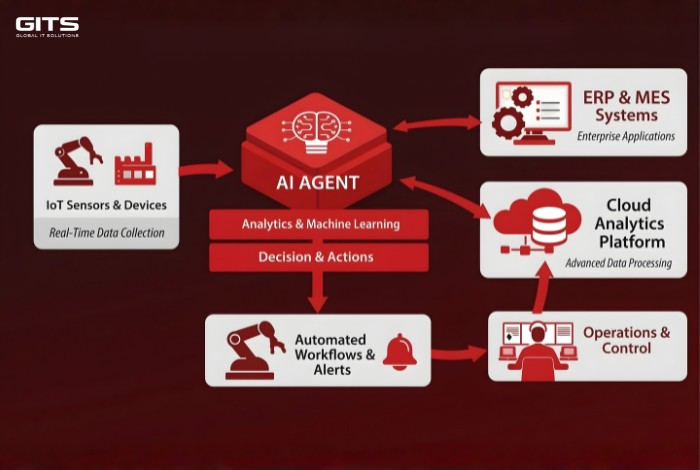
Within enterprise technology environments, AI Agents typically function as intelligence layers integrated across digital platforms such as ERP, MES, IoT systems, and cloud infrastructures.
Instead of replacing existing systems, AI Agents connect and orchestrate them, enabling smarter operational coordination.
Core Components of an AI Agent Architecture
A typical enterprise AI Agent architecture includes several key layers:
1. Data Ingestion Layer
AI Agents collect data from multiple enterprise sources, including:
– IoT devices and sensors
– ERP and enterprise databases
– Logistics tracking systems
– Manufacturing execution systems
– Cloud infrastructure monitoring tools
This data provides the real-time operational context needed for intelligent analysis.
2. Intelligence and Analytics Engine
The analytics layer applies machine learning models, predictive algorithms, and pattern recognition to identify:
– Anomalies in operations
– Emerging risks
– Performance inefficiencies
– Optimization opportunities
This is where the AI Agent generates insights and recommendations.
3. Decision and Action Layer
Once insights are generated, AI Agents can:
– Trigger automated workflows
– Notify operators or managers
– Recommend corrective actions
– Update operational parameters in connected systems
This closes the loop between data, insight, and action.
Real World Applications of AI Agents Across Industries
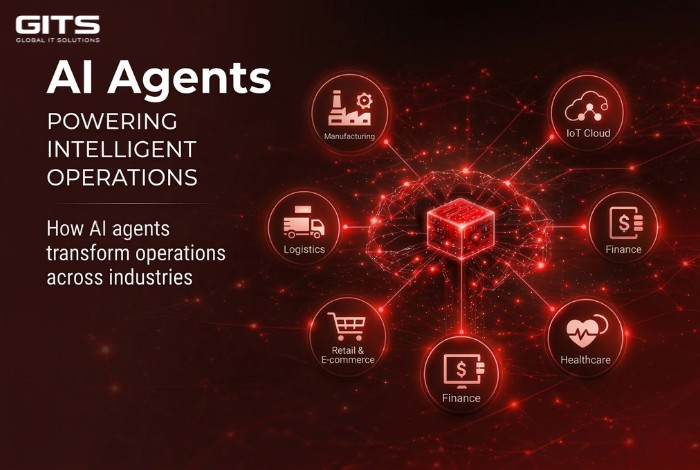
AI Agent solutions are gaining traction across a wide range of industries where operational complexity and real-time decision-making are critical.
Below are several key domains where AI Agents deliver measurable impact.
AI Agent for Manufacturing
Manufacturing environments generate enormous volumes of machine and production data. However, production teams often struggle to detect early signals of equipment issues or process inefficiencies.
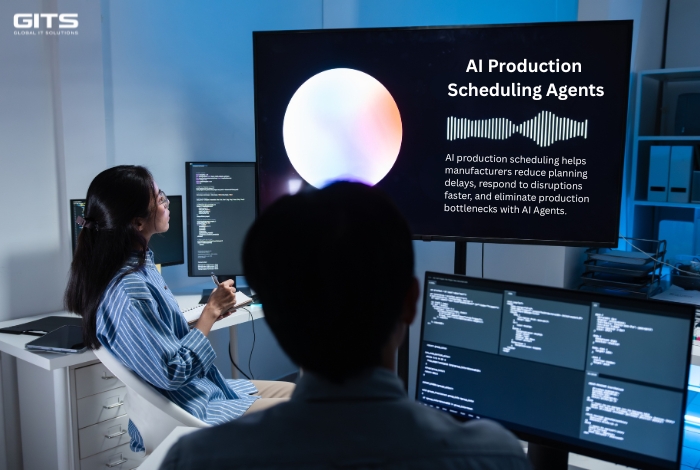
An AI Agent for manufacturing can analyze machine data, production schedules, and historical performance to support smarter operations.
Typical applications include:
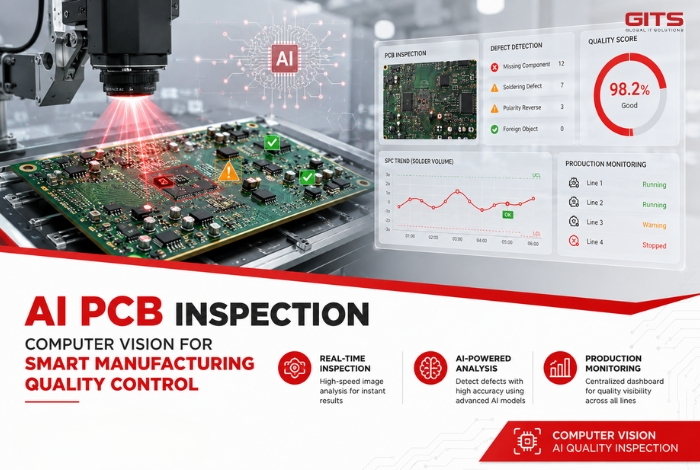
– Predictive maintenance for industrial equipment
– Real-time production monitoring
– Intelligent job dispatching on the shop floor
– Anomaly detection in manufacturing processes
For example, an AI Agent monitoring factory equipment can detect abnormal vibration patterns and recommend maintenance before a breakdown occurs.
The result is reduced downtime, improved production flow, and better asset utilization.
AI Agent for Logistics and Transportation
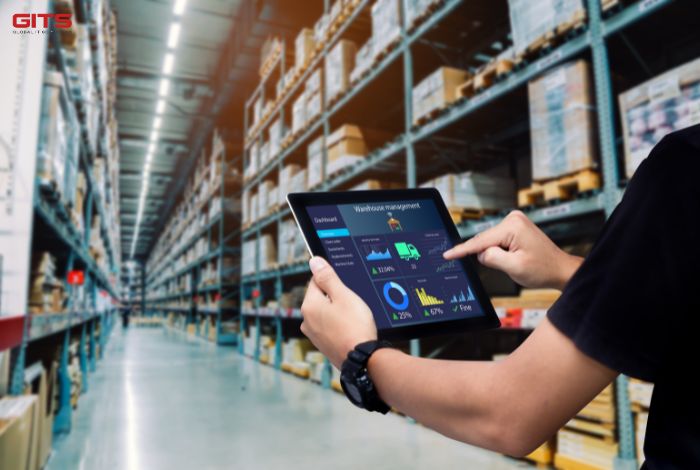
Logistics operations require constant coordination across warehouses, transportation fleets, and supply chain networks.
Delays, disruptions, or inefficient routing can quickly impact service levels and operational costs.
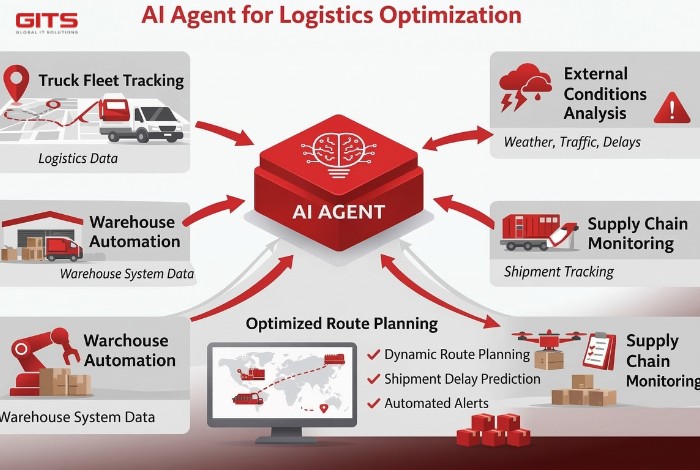
An AI Agent for logistics can analyze real-time data from transportation systems, shipment tracking platforms, and external factors such as weather or traffic conditions.
Key use cases include:
– Dynamic route optimization
– Shipment delay prediction
– Warehouse workflow automation
– Supply chain risk monitoring
By continuously evaluating operational conditions, AI Agents help logistics teams respond faster and maintain supply chain resilience.
AI Agent for IoT Ecosystems
IoT ecosystems often consist of thousands of connected devices generating alerts and telemetry data.
Without intelligent filtering and analysis, operations teams can quickly become overwhelmed by alert noise.
An AI Agent for IoT helps transform raw sensor data into actionable insights.
Typical capabilities include:
– Correlating alerts across devices
– Identifying root causes of anomalies
– Prioritizing operational incidents
– Recommending corrective actions
In industries such as manufacturing, smart infrastructure, or utilities, this significantly reduces alert fatigue and operational complexity.
AI Agents in Finance, Healthcare, and Retail
Beyond industrial environments, AI Agents are also transforming service industries.
In finance, AI Agents support:
– Fraud detection
– Automated compliance monitoring
– Risk analysis
In healthcare, AI Agents assist with:
– Patient data analysis
– Clinical workflow automation
– Hospital resource optimization
In retail and e-commerce, AI Agents enable:
– Intelligent inventory management
– Demand forecasting
– Personalized customer interactions
Across these sectors, the core advantage is the same: AI Agents convert large-scale data into operational intelligence.

Business Impact of AI Agent Implementation
For enterprises investing in digital transformation, AI Agents offer measurable operational and strategic benefits.
Key impacts include:
Operational Visibility
AI Agents provide continuous monitoring across systems, enabling leaders to detect operational issues early.
Workflow Automation
Routine operational decisions can be automated, allowing teams to focus on higher-value strategic work.
Intelligent Decision Support
AI Agents provide recommendations based on real-time analytics, improving decision quality.
Reduced Manual Workload
Automation of monitoring, analysis, and coordination tasks reduces the burden on operational teams.
Scalability for Complex Operations
As enterprises scale operations across locations or digital platforms, AI Agents help maintain consistent operational intelligence.
>> See More: 2026 Retail Web Trends: From Redesign to Experience Transformation
Implementation Considerations for Enterprises
While AI Agents offer strong potential, successful implementation requires careful planning.
Organizations should consider several key factors:
Data integration readiness
AI Agents rely on access to high-quality operational data across systems.
System interoperability
Integration with existing enterprise platforms such as ERP, MES, and cloud systems is essential.
Operational governance
Enterprises must define how AI-driven decisions are validated, monitored, and controlled.
Incremental deployment
Many organizations begin with targeted AI Agent use cases before scaling across the enterprise.
By starting with practical operational problems, companies can quickly demonstrate business value.
Turning Enterprise Data into Operational Intelligence with AI Agents
As enterprises continue to digitize operations and deploy connected systems, the ability to transform data into real-time operational intelligence becomes increasingly important.
AI Agent technology provides a practical pathway to achieve this transformation. By combining automation, analytics, and intelligent decision support, AI Agents enable organizations to operate more efficiently, respond faster to changing conditions, and scale complex operations with confidence.
Across industries such as manufacturing, logistics, finance, healthcare, and IoT ecosystems, AI Agents are becoming a key foundation for intelligent enterprise operations.
For technology leaders seeking to unlock the next stage of digital transformation, the question is no longer whether AI will play a role — but how to implement it effectively across operational systems.