






The global logistics industry is undergoing a major transformation. Rising labor costs, increasing customer expectations, supply chain disruptions, and growing inventory complexity are forcing businesses to rethink traditional warehouse operations.
Many organizations still struggle with inventory inaccuracies, delayed shipments, manual stock counting, misplaced products, and limited visibility across warehouse networks. These challenges can result in lost revenue, operational inefficiencies, and reduced customer satisfaction.
For businesses in Japan, South Korea, Vietnam, and global markets, warehouse performance has become a strategic competitive advantage rather than simply an operational function.
This is where Smart Warehouse technology is making a significant impact.
By combining Barcode systems, RFID technology, AI Agents, IoT devices, and warehouse automation, companies can create intelligent warehouse ecosystems that improve accuracy, reduce costs, and accelerate decision-making.
What Is a Smart Warehouse?
A Smart Warehouse is a technology-enabled warehouse environment that uses connected systems, automation, and real-time data to optimize inventory management and warehouse operations.
Unlike traditional warehouses that rely heavily on manual processes, a Smart Warehouse continuously collects, analyzes, and acts upon operational data.
Core technologies commonly found in a Smart Warehouse include:
– Barcode systems
– RFID technology
– Warehouse Management Systems (WMS)
– AI Agents
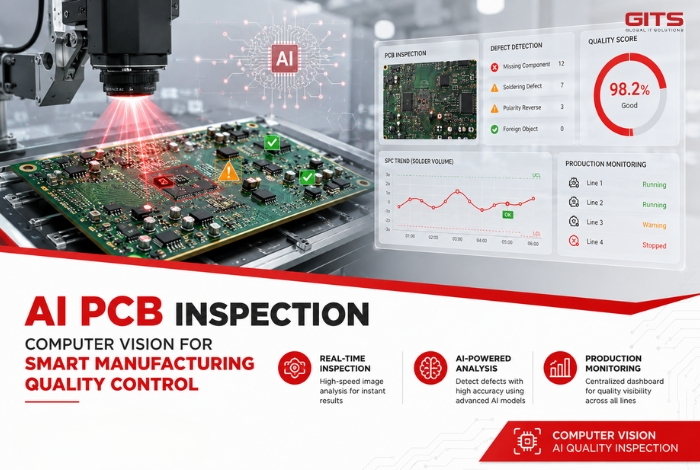
– Computer Vision
– IoT sensors
– Automated Guided Vehicles (AGV)
– Autonomous Mobile Robots (AMR)
– Predictive Analytics
The objective is simple: improve visibility, efficiency, and operational agility across the entire supply chain.
Why Traditional Warehouses Are Struggling Today
Many warehouses continue to face operational challenges despite investments in digital transformation.
Common pain points include:
– Inventory discrepancies between physical stock and system records
– Time-consuming inventory audits
– Picking and packing errors
– Limited visibility into asset movement
– Labor shortages and increasing workforce costs
– Difficulty scaling operations during peak demand periods
According to industry research, inventory inaccuracies can cost organizations millions of dollars annually through stockouts, overstocking, and fulfillment errors.
As warehouse operations become more complex, manual processes are no longer sustainable.

Barcode Technology: The Foundation of Smart Warehouse Operations
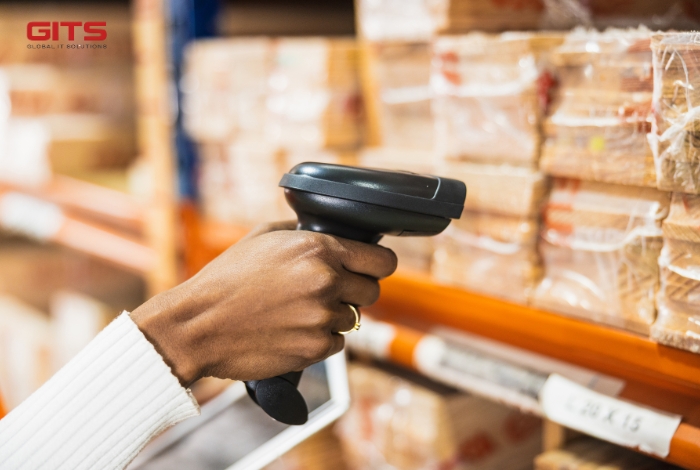
Barcode technology remains one of the most widely adopted inventory tracking solutions worldwide.
A barcode stores product information in a machine-readable format that can be scanned using handheld devices, mobile terminals, or fixed scanning systems.
How Barcode Systems Work
A typical barcode workflow includes:
1. Assigning a unique barcode to each product or inventory unit
2. Scanning items during receiving, storage, picking, packing, and shipping
3. Updating inventory records automatically within the WMS
4. Synchronizing inventory data across business systems
Barcode systems provide an affordable starting point for warehouse digitization while significantly reducing manual data entry errors.
Benefits of Barcode-Based Smart Warehouse Systems
Improved Inventory Accuracy
Barcode scanning can significantly reduce human errors and improve stock record accuracy.
Faster Operational Workflows
Employees can process products more quickly throughout receiving, picking, and shipping activities.
Lower Implementation Costs
Barcode solutions require relatively low upfront investment compared to advanced automation technologies.
Enhanced Traceability
Organizations can track products throughout the warehouse lifecycle more effectively.
RFID Technology: Enabling Real-Time Inventory Visibility
While barcode systems require manual scanning, RFID technology enables automated identification and tracking using radio frequency signals.
RFID tags can be attached to products, pallets, containers, or assets and automatically detected by RFID readers without requiring direct visibility.
How RFID Works in a Smart Warehouse
An RFID ecosystem typically includes:
– RFID tags
– RFID readers
– RFID antennas
– Middleware platforms
– WMS integration
– AI analytics platforms
As tagged items move through the warehouse, RFID readers automatically capture movement and location data in real time.
This creates continuous inventory visibility across warehouse operations.
Key Advantages of RFID Technology
Real-Time Inventory Tracking
Businesses gain instant visibility into inventory movement and stock locations.
Inventory Accuracy Above 99%
Many RFID-enabled warehouse environments achieve inventory accuracy rates exceeding 99%, significantly reducing stock discrepancies.
Faster Inventory Audits
RFID can reduce inventory counting time by 50% to 80% compared to traditional methods.
Reduced Labor Costs
Automated data capture minimizes repetitive manual scanning activities.
Better Asset Utilization
Organizations can track high-value assets more effectively and reduce inventory shrinkage.
RFID vs Barcode: Which Technology Is Better?
Many businesses ask whether RFID should replace barcode technology.
The answer depends on operational requirements, warehouse size, and investment objectives.
| Feature | Barcode | RFID |
|---|---|---|
| Initial Cost | Low | Medium to High |
| Scanning Method | Manual | Automatic |
| Line of Sight Required | Yes | No |
| Inventory Accuracy | High | Very High |
| Real-Time Tracking | Limited | Excellent |
| Large-Scale Automation | Moderate | Excellent |
| Deployment Complexity | Low | Medium |
For many organizations, a hybrid approach delivers the best balance between cost and operational efficiency.
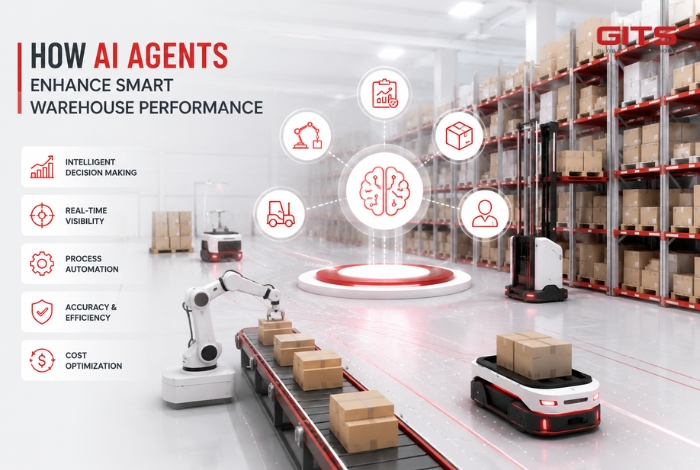
How AI Agents Enhance Smart Warehouse Performance
Warehouse automation is evolving beyond data collection.
Modern AI Agents can act as intelligent digital workers that analyze warehouse data, make decisions, and automate operational workflows.
AI-Powered Inventory Forecasting
AI Agents analyze demand patterns, sales history, and market conditions to optimize inventory planning.
Intelligent Exception Management
When inventory discrepancies occur, AI Agents can automatically investigate anomalies, compare warehouse records, review RFID data, and notify supervisors.
Autonomous Replenishment
AI Agents can generate purchase recommendations or trigger replenishment workflows based on predefined business rules.
Warehouse Resource Optimization
AI continuously evaluates labor allocation, storage utilization, and operational bottlenecks to improve efficiency.
Predictive Maintenance
AI monitors warehouse equipment and predicts potential failures before operational disruptions occur.
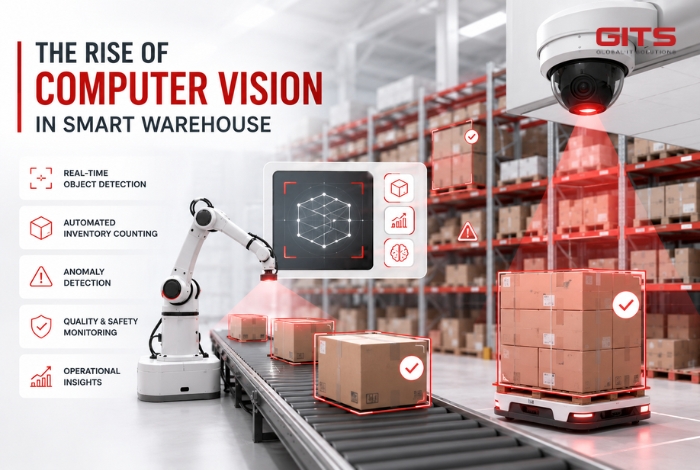
The Rise of Computer Vision in Smart Warehouse
Leading logistics organizations are increasingly integrating Computer Vision alongside Barcode and RFID technologies.
AI-powered cameras can:
– Detect misplaced inventory
– Monitor pallet movement
– Verify picking accuracy
– Count products automatically
– Improve workplace safety
This additional layer of visibility helps organizations further reduce manual intervention and operational risks.
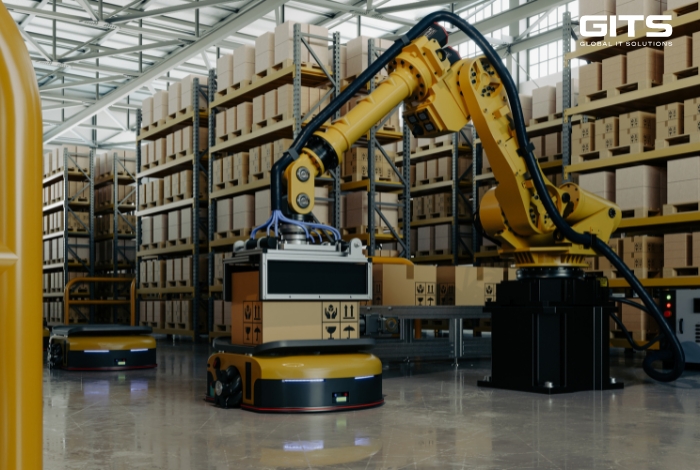
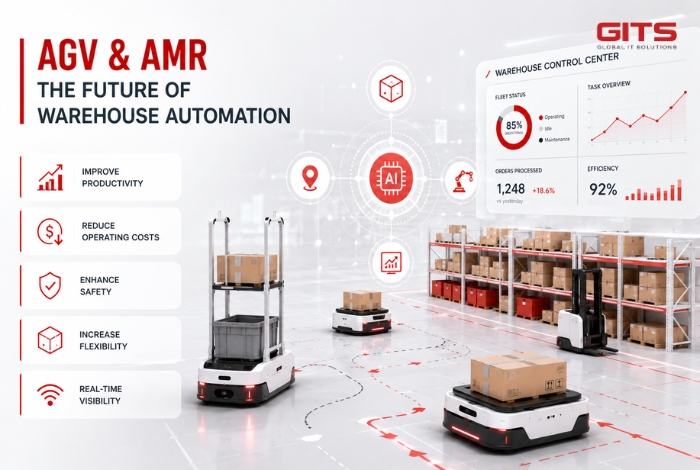
AGV and AMR: The Future of Warehouse Automation
Smart Warehouse transformation increasingly includes autonomous transportation systems.
Automated Guided Vehicles (AGV)
AGVs follow predefined routes to transport materials across warehouse facilities.
Autonomous Mobile Robots (AMR)
AMRs use AI and sensors to navigate dynamically, allowing them to adapt to changing warehouse conditions.
Companies implementing AMR and AGV technologies often experience:
– Faster order fulfillment
– Improved workforce productivity
– Reduced operational costs
– Increased warehouse throughput
These technologies are becoming increasingly common in large-scale logistics and manufacturing facilities across Japan and South Korea.
Real-World Smart Warehouse Use Cases
Retail and E-Commerce
Large retailers use RFID and AI to improve inventory visibility and accelerate order fulfillment.
Manufacturing
Manufacturers leverage Smart Warehouse technologies to manage raw materials, work-in-progress inventory, and finished goods.
Third-Party Logistics (3PL)
Logistics providers use warehouse automation to handle large transaction volumes while maintaining service quality.
Healthcare and Pharmaceutical
RFID technology helps track sensitive inventory and improve regulatory compliance.
>>> See More: Warehouse Management System: 7 Signs Your Business Needs One in 2026
Why Vietnam IT Outsourcing Is Becoming a Strategic Choice
As demand for Smart Warehouse solutions continues to grow, many organizations are partnering with Vietnam IT Outsourcing companies to accelerate digital transformation initiatives.
Vietnam offers several advantages:
– Highly skilled engineering talent
– Competitive development costs
– Strong expertise in AI Solutions
– Experience with warehouse management platforms
– Proven software development capabilities
Technology partners can support:
– Smart Warehouse software development
– RFID integration
– AI Agent implementation
– WMS customization
– Computer Vision solutions
– IoT platform development
– Warehouse analytics dashboards
This enables organizations to reduce development costs while accelerating innovation.

Future Trends Shaping Smart Warehouse Innovation
Several technologies will define the next generation of warehouse operations.
Agentic AI
AI Agents will evolve from assistants into autonomous decision-makers capable of managing warehouse workflows with minimal human intervention.
Digital Twins
Virtual warehouse replicas will enable real-time simulation and optimization.
Hyperautomation
Organizations will combine AI, robotics, RFID, IoT, and warehouse software into fully connected operational ecosystems.
Autonomous Warehouses
Future warehouses will operate with significantly fewer manual processes while maintaining higher efficiency and accuracy levels.
Frequently Asked Questions
What is a Smart Warehouse?
A Smart Warehouse is a technology-enabled warehouse that uses automation, RFID, AI, IoT, and data analytics to improve inventory visibility and operational efficiency.
Is RFID better than Barcode?
RFID offers greater automation and real-time tracking capabilities, while barcode systems provide a cost-effective solution for inventory management. Many organizations use both technologies together.
How accurate is RFID inventory tracking?
RFID-enabled warehouses can achieve inventory accuracy rates exceeding 99% when properly implemented.
How do AI Agents improve warehouse operations?
AI Agents automate decision-making, optimize inventory planning, identify operational issues, and improve overall warehouse efficiency.
Which industries benefit most from Smart Warehouse solutions?
Retail, e-commerce, manufacturing, healthcare, pharmaceuticals, and logistics organizations can all benefit significantly from Smart Warehouse technologies.
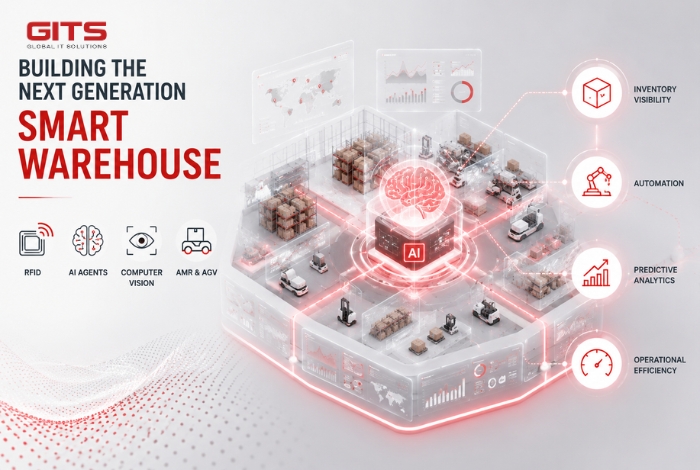
Building the Next Generation Smart Warehouse
Smart Warehouse technology has become a strategic investment for organizations seeking greater efficiency, visibility, and resilience in today’s competitive supply chain environment.
Barcode systems provide the foundation for inventory digitization, while RFID enables real-time visibility and warehouse automation. When combined with AI Agents, Computer Vision, AMR, AGV, and predictive analytics, businesses can create intelligent warehouse ecosystems capable of delivering exceptional operational performance.
For organizations across Japan, South Korea, Vietnam, and global markets, the future of warehouse management lies in building connected, data-driven, and AI-powered Smart Warehouse environments that continuously optimize operations and drive long-term business growth.