





Modern businesses depend on software more than ever before. From enterprise resource planning systems and eCommerce platforms to AI-powered applications and customer portals, software has become the foundation of daily operations.
However, many organizations focus heavily on software development while overlooking what happens after deployment. Without proper Application Maintenance, even the most advanced systems can become vulnerable to security threats, performance degradation, compliance risks, and costly downtime.
As organizations accelerate digital transformation initiatives, Application Maintenance has evolved from a technical support activity into a strategic business function. It plays a critical role in ensuring operational stability, protecting revenue streams, and supporting long-term business continuity.
For enterprises across Japan, South Korea, Vietnam, and global markets, maintaining application health is no longer optional. It is essential for staying competitive in an increasingly digital economy.
What Is Application Maintenance?
Application Maintenance is the continuous process of monitoring, updating, optimizing, securing, and supporting software applications after deployment to ensure reliability, performance, security, and business continuity.
Unlike reactive troubleshooting, Application Maintenance focuses on preventing issues before they impact operations.
A comprehensive maintenance strategy typically includes:
– Bug fixes and issue resolution
– Security patch management
– Performance optimization
– Infrastructure compatibility updates
– Feature enhancements
– Database management
– Compliance updates
– Application monitoring and support
Organizations that invest in Application Maintenance can significantly reduce operational risks while extending the lifespan of their software investments.
Why Application Maintenance Is Critical for Business Continuity
Business continuity refers to an organization’s ability to maintain essential operations during unexpected disruptions.
Today, nearly every critical business function relies on software. When applications become unavailable or perform poorly, productivity declines, customer satisfaction suffers, and revenue losses quickly follow.
Application Maintenance helps businesses maintain operational resilience by ensuring systems remain stable, secure, and available.
Reducing Downtime and Revenue Loss
Application downtime can have immediate financial consequences.
Whether it involves a manufacturing management platform, online payment gateway, healthcare system, or customer service portal, every minute of downtime can disrupt operations and damage customer trust.
Proactive Application Maintenance helps organizations:
– Identify potential issues before failure occurs
– Improve system uptime
– Minimize service interruptions
– Accelerate incident resolution
– Ensure consistent customer experiences
Research indicates that unplanned downtime can cost businesses thousands or even hundreds of thousands of dollars per hour depending on the industry and scale of operations.
Strengthening Cybersecurity Protection
Cyber threats continue to evolve at an unprecedented pace.
Outdated software often contains vulnerabilities that cybercriminals can exploit to gain unauthorized access, disrupt services, or steal sensitive information.
Regular Application Maintenance strengthens cybersecurity through:
– Timely security updates
– Vulnerability remediation
– Continuous monitoring
– Access control improvements
– Compliance-driven security enhancements
For organizations handling financial, healthcare, manufacturing, or customer data, maintaining application security is fundamental to business continuity.
The Hidden Cost of Neglecting Application Maintenance
Many businesses underestimate the long-term consequences of delaying software maintenance.
While postponing updates may appear to reduce short-term expenses, the hidden costs often exceed the investment required for proactive maintenance.
| Business Risk | Potential Impact |
|---|---|
| System Downtime | Revenue loss and operational disruption |
| Security Breach | Financial losses and reputational damage |
| Poor Performance | Reduced customer satisfaction |
| Technical Debt | Higher future development costs |
| Compliance Violations | Legal and regulatory penalties |
| Infrastructure Incompatibility | Increased modernization costs |
Organizations that neglect maintenance frequently encounter escalating technical challenges that become increasingly expensive to resolve over time.
Key Types of Application Maintenance
An effective Application Maintenance strategy includes multiple maintenance categories.
Corrective Maintenance
Corrective maintenance focuses on identifying and resolving software defects, bugs, and operational issues after deployment.
Preventive Maintenance
Preventive maintenance aims to reduce future risks through proactive updates, code reviews, and system optimization.
Adaptive Maintenance
Adaptive maintenance ensures applications remain compatible with evolving technologies, operating systems, cloud platforms, and business requirements.
Perfective Maintenance
Perfective maintenance enhances application functionality, performance, and user experience based on customer feedback and business objectives.
Together, these maintenance approaches help organizations maximize software value while minimizing operational risks.

Application Maintenance Improves Operational Efficiency
As businesses scale, software systems must support increasing workloads, larger datasets, and more complex operational processes.
Applications that receive regular maintenance consistently deliver better performance and reliability.
Benefits include:
– Faster system response times
– Improved scalability
– Reduced error rates
– Better user experiences
– Enhanced operational productivity
Organizations that maintain high-performing applications can respond more effectively to market changes and customer expectations.
Reducing Technical Debt
Technical debt accumulates when software updates, improvements, and maintenance activities are repeatedly postponed.
Over time, technical debt can lead to:
– Increased maintenance costs
– Reduced system stability
– Slower innovation cycles
– Greater cybersecurity exposure
Regular Application Maintenance helps organizations address issues incrementally, preventing costly modernization projects in the future.

Why AI-Powered Applications Require Continuous Maintenance
The rapid adoption of AI Agents, Generative AI, machine learning, and intelligent automation is creating new maintenance requirements.
Unlike traditional applications, AI-driven systems depend on continuous optimization to maintain accuracy, performance, and reliability.
The Role of Application Maintenance in AI Environments
Organizations implementing AI solutions must continuously monitor:
– AI model performance
– API integrations
– Data quality
– Infrastructure scalability
– Security compliance
– Workflow automation processes
Application Maintenance ensures AI systems continue delivering accurate and reliable business outcomes.
Without ongoing support, AI applications can experience model drift, integration failures, and declining performance.
As AI adoption accelerates globally, Application Maintenance is becoming a critical component of AI governance and operational resilience.
>>> See More: AI Transformation Roadmap 2026 for Enterprise
Why Japanese and Korean Enterprises Prioritize Application Maintenance
Organizations in Japan and South Korea are widely recognized for emphasizing quality, reliability, and long-term operational stability.
For these enterprises, software maintenance is viewed as a strategic investment rather than an operational expense.
Several factors drive this approach:
– Strong focus on service continuity
– High customer expectations
– Strict compliance requirements
– Long-term technology planning
– Enterprise risk management priorities
As a result, Application Maintenance often plays a central role in digital transformation and business continuity strategies across these markets.
Meeting Compliance and Regulatory Requirements
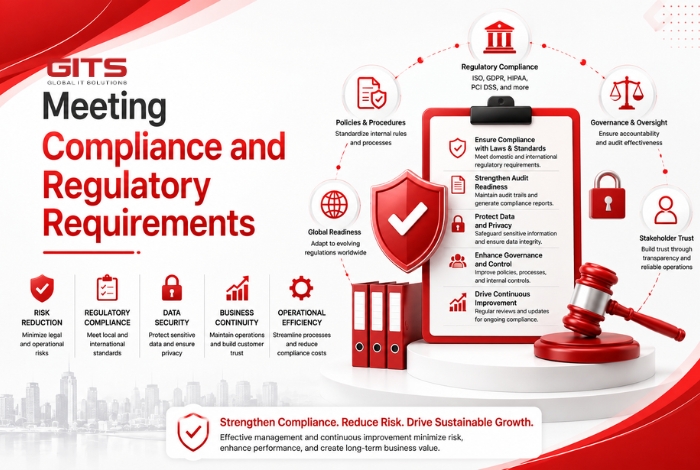
Businesses operating in regulated industries must continuously adapt to changing compliance standards.
Failure to maintain applications can result in regulatory violations, financial penalties, and reputational damage.
Application Maintenance helps organizations maintain compliance with frameworks such as:
– GDPR
– ISO standards
– HIPAA
– PCI DSS
– Regional cybersecurity regulations
Through regular updates and governance controls, organizations can reduce compliance risks while strengthening operational resilience.
Why Businesses Choose Vietnam IT Outsourcing for Application Maintenance
Global demand for Application Maintenance Services continues to grow, prompting many organizations to seek trusted outsourcing partners.
Vietnam has emerged as one of the world’s leading IT outsourcing destinations due to its skilled engineering workforce, cost efficiency, and strong technology ecosystem.
A professional Vietnam IT Outsourcing provider can offer:
– 24/7 application monitoring
– Dedicated maintenance teams
– Security management
– Cloud application support
– Performance optimization
– AI system maintenance
– Incident response services
For businesses in Japan, South Korea, North America, and Europe, outsourcing Application Maintenance to Vietnam provides access to high-quality technical expertise while optimizing operational costs.
Future Trends in Application Maintenance
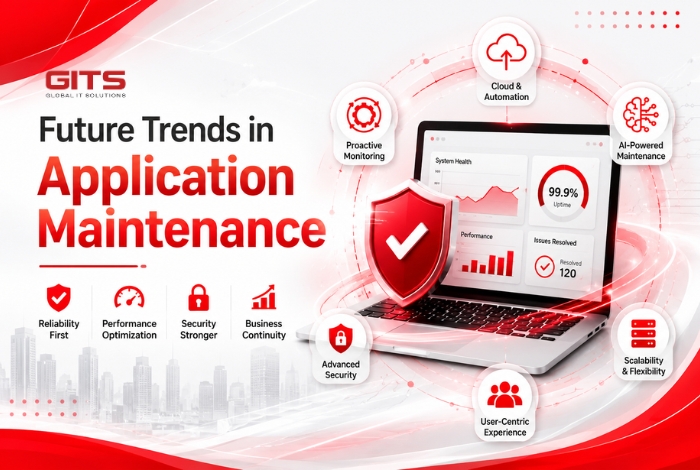
The future of Application Maintenance is increasingly driven by automation and artificial intelligence.
Key trends include:
– AI-powered monitoring systems
– Predictive maintenance analytics
– Self-healing applications
– Automated incident management
– Cloud-native maintenance frameworks
– AI Agent operational support
Organizations that adopt these innovations can improve application reliability, reduce downtime, and accelerate digital transformation initiatives.
Looking for a Reliable Application Maintenance Partner?
Application Maintenance is no longer just a support function. It is a critical business capability that protects revenue, strengthens cybersecurity, improves operational efficiency, and enables long-term growth.
Whether your organization operates enterprise software, cloud-native applications, AI-powered platforms, or customer-facing digital services, proactive maintenance is essential for maintaining business continuity in today’s competitive landscape.
As a trusted Vietnam IT Outsourcing company, GITS helps organizations optimize application performance, reduce operational risks, strengthen security, and support ongoing digital transformation initiatives through comprehensive Application Maintenance Services.
Businesses that prioritize maintenance today will be better positioned to achieve resilience, scalability, and sustainable success tomorrow.