





Transportation costs continue to rise across global markets, creating significant challenges for manufacturers, retailers, distributors, and logistics service providers. Factors such as fuel price volatility, labor shortages, increasing customer expectations, and supply chain disruptions are forcing organizations to rethink how transportation operations are managed.
In markets such as Japan, South Korea, Vietnam, and other global economies, transportation expenses represent one of the largest components of overall logistics spending. As supply chains become more complex, businesses need more than traditional transportation planning methods to remain competitive.
This is where Transportation Cost Optimization becomes essential. By leveraging Transportation Management Systems (TMS), AI Agents, and data-driven decision-making, organizations can reduce logistics costs, improve operational visibility, enhance delivery performance, and create a foundation for long-term supply chain resilience.
What Is Transportation Cost Optimization?
Transportation Cost Optimization is the process of minimizing transportation-related expenses while maintaining or improving service quality, operational efficiency, and customer satisfaction.
Rather than focusing solely on reducing freight rates, transportation optimization aims to improve every stage of transportation planning and execution.
Key optimization areas include:
– Route optimization
– Carrier management
– Fleet utilization
– Shipment consolidation
– Transportation visibility
– Delivery scheduling
– Automated decision support
The ultimate objective is to achieve the highest transportation efficiency at the lowest possible operational cost.
Why Transportation Costs Continue to Increase
Many organizations still rely on spreadsheets, manual planning processes, and disconnected logistics systems. These outdated approaches often create inefficiencies that increase transportation spending.
The primary drivers behind rising transportation costs include:
– Fuel price fluctuations
– Driver shortages and increasing labor costs
– Traffic congestion
– Growing customer delivery expectations
– Inefficient route planning
– Underutilized vehicle capacity
– Limited shipment visibility
– Fragmented carrier management
Without a structured optimization strategy, transportation costs can significantly impact profitability and operational performance.
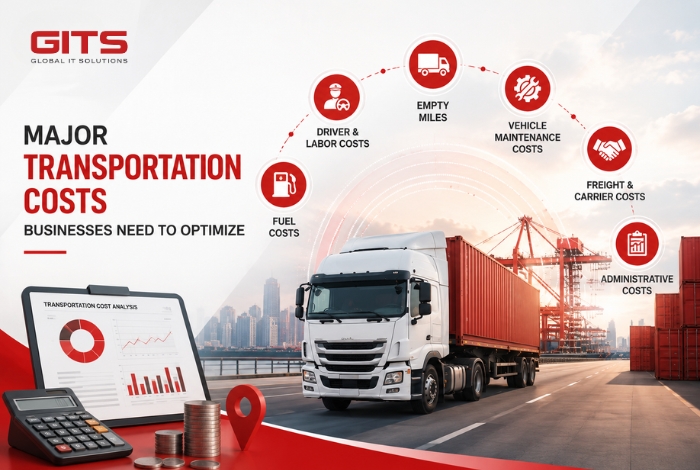
Major Transportation Costs Businesses Need to Optimize
Understanding transportation cost components is the first step toward meaningful cost reduction.
Fuel Costs
Fuel remains one of the largest transportation expenses. Poor route planning, excessive idling, and empty return trips contribute directly to higher fuel consumption.
Driver and Labor Costs
Labor costs continue to rise worldwide. Transportation companies must manage driver wages, overtime expenses, dispatch operations, and administrative workloads efficiently.
Empty Miles
Empty miles occur when vehicles travel without carrying freight. These trips generate costs without creating revenue, reducing transportation efficiency.
Vehicle Maintenance Costs
Inefficient transportation operations increase vehicle wear and tear, leading to higher maintenance expenses and shorter asset lifecycles.
Carrier and Freight Costs
Organizations often struggle to identify the most cost-effective carriers due to limited visibility into carrier performance and pricing structures.
Administrative Costs
Manual transportation planning, reporting, and shipment coordination consume significant resources and increase operational overhead.
How a Transportation Management System Supports Transportation Cost Optimization
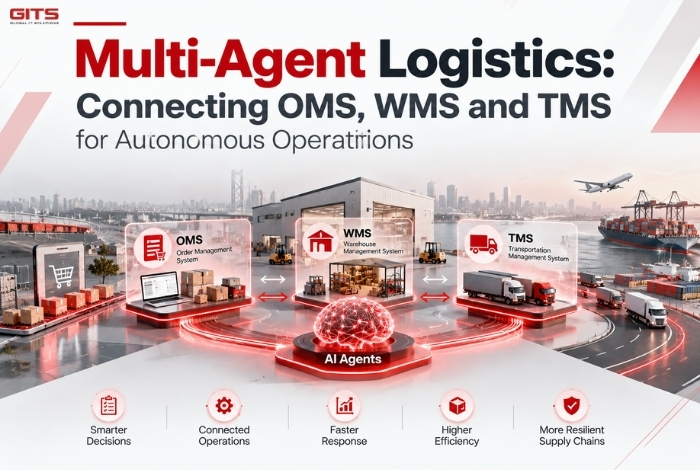
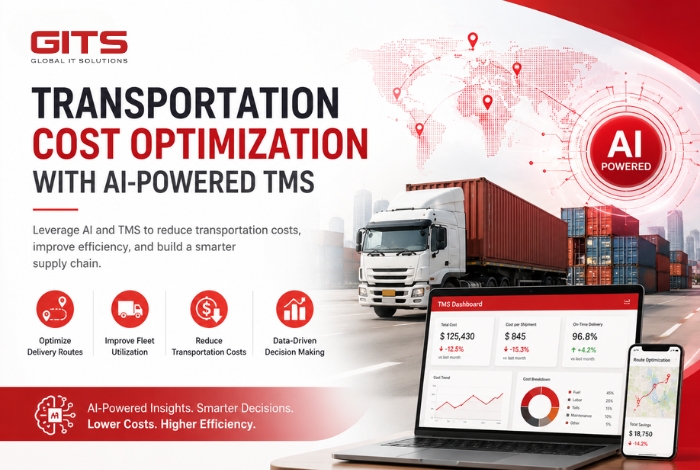
A Transportation Management System acts as the digital backbone of transportation operations. It centralizes logistics data, automates workflows, and enables smarter transportation decisions.
Intelligent Route Optimization
A TMS analyzes:
– Delivery locations
– Traffic conditions
– Vehicle capacity
– Delivery windows
– Driver availability
The system then recommends the most efficient routes to reduce fuel consumption and travel distance while improving delivery performance.
Load Consolidation and Capacity Optimization
Many businesses unknowingly pay for unused transportation capacity.
A TMS identifies opportunities to combine shipments and maximize vehicle utilization, resulting in:
– Fewer transportation trips
– Lower fuel costs
– Improved fleet productivity
– Reduced environmental impact
Automated Carrier Selection
A TMS evaluates carriers based on:
– Transportation cost
– Transit time
– Service quality
– Historical performance
– Capacity availability
– This allows businesses to choose the most efficient carrier for every shipment.
Real-Time Transportation Visibility
Real-time visibility enables organizations to monitor:
– Shipment status
– Vehicle locations
– Delivery performance
– Transportation exceptions
– Potential delays
This proactive visibility helps logistics teams address issues before they impact operations or customer satisfaction.
How AI Agents Are Transforming Transportation Cost Optimization
AI Agents are reshaping transportation management by introducing intelligent automation and predictive decision-making.
Predictive Transportation Planning
AI Agents can forecast:
– Demand fluctuations
– Traffic congestion
– Weather disruptions
– Fuel price trends
– Capacity shortages
These insights help organizations optimize transportation resources before challenges occur.
Dynamic Route Optimization
Unlike traditional route planning systems, AI Agents continuously evaluate transportation conditions and recommend route adjustments in real time.
Autonomous Logistics Decision Support
AI Agents can automatically:
– Detect cost anomalies
– Recommend carrier changes
– Prioritize shipments
– Identify optimization opportunities
– Trigger automated workflows
As a result, logistics teams spend less time on manual planning and more time on strategic initiatives.
Key KPIs for Measuring Transportation Cost Optimization
Organizations should track measurable performance indicators to evaluate optimization success.
| KPI | Target Improvement |
|---|---|
| Transportation Cost per Shipment | Reduce 10%–25% |
| Cost per Kilometer | Reduce 10%–20% |
| Fuel Consumption | Reduce 15%–30% |
| Empty Miles Rate | Below 10% |
| Fleet Utilization Rate | Above 85% |
| On-Time Delivery Rate | Above 95% |
| Planning Time | Reduce 30%–70% |
These metrics provide a clear framework for continuous improvement.
How Much ROI Can Businesses Expect from a TMS?
Organizations investing in a modern Transportation Management System typically achieve measurable returns.
Common outcomes include:
– 10%–25% reduction in transportation costs
– 15%–30% lower fuel expenses
– 20%–40% reduction in empty miles
– 30%–50% reduction in manual planning effort
– 10%–20% increase in fleet utilization
– Improved customer satisfaction and delivery performance
These benefits often deliver a strong return on investment within a relatively short period.
Transportation Cost Optimization Example
Consider a manufacturing company operating more than 100 vehicles across multiple regions.
The organization faced rising transportation expenses due to inefficient routing, poor visibility, and underutilized vehicle capacity.
After implementing a Transportation Management System:
– Transportation costs decreased by 18%
– Empty mileage was reduced by 24%
– Fleet utilization improved by 17%
– Planning time decreased by 65%
– On-time delivery increased from 89% to 97%
This example demonstrates how transportation optimization can generate measurable operational and financial benefits.
Transportation Cost Optimization as a Key Driver of AX
As organizations pursue AI Transformation (AX), transportation operations become an important source of operational intelligence.
Transportation data can be leveraged to improve:
– Decision-making speed
– Operational agility
– Logistics cost control
– Customer experience
– Supply chain resilience
– Sustainability performance
For many enterprises, transportation optimization is becoming one of the most valuable AX initiatives.
Choosing the Right TMS for Long-Term Success
Organizations evaluating TMS solutions should consider:
– Route optimization capabilities
– Real-time visibility features
– AI and automation functionality
– Carrier management tools
– ERP and WMS integration
– Transportation analytics
– Scalability for future growth
– Support for AI-driven transformation
A future-ready TMS should support both current operational needs and long-term digital transformation goals.
Modern Transportation Management with GITS TMS
Organizations seeking sustainable Transportation Cost Optimization require more than basic transportation planning tools.
The GITS Transportation Management System helps manufacturers, distributors, retailers, and logistics providers improve transportation efficiency through intelligent route planning, shipment visibility, carrier management, transportation analytics, and automation capabilities.
By creating a centralized transportation ecosystem, businesses can gain deeper operational insights, improve decision-making, and establish a foundation for future AI Agent adoption and AX initiatives.
Future Trends in Transportation Cost Optimization
The future of transportation management will be shaped by intelligent automation and real-time decision-making.
Key trends include:
– AI-powered transportation planning
– Autonomous logistics operations
– Digital twin transportation networks
– Predictive transportation analytics
– Sustainability-focused logistics optimization
– AI Agent-driven orchestration
Organizations that adopt these technologies early will gain a significant competitive advantage.
Frequently Asked Questions
What is Transportation Cost Optimization?
Transportation Cost Optimization is the process of reducing transportation expenses through route optimization, carrier management, load consolidation, automation, and data-driven decision-making while maintaining service quality.
How does a TMS reduce transportation costs?
A Transportation Management System reduces transportation costs by optimizing routes, improving vehicle utilization, automating carrier selection, and providing real-time operational visibility.
What are the benefits of AI Agents in transportation management?
AI Agents help organizations predict disruptions, optimize transportation plans, automate decisions, improve delivery performance, and identify cost-saving opportunities in real time.
How much can a company save by implementing a TMS?
Most organizations achieve a 10%–25% reduction in transportation costs along with improvements in fuel efficiency, fleet utilization, and operational productivity.
Which industries benefit most from Transportation Cost Optimization?
Manufacturing, retail, eCommerce, distribution, healthcare, and third-party logistics providers are among the industries that benefit most from transportation optimization initiatives.
>> See More: AI in logistics optimize supply chain operations
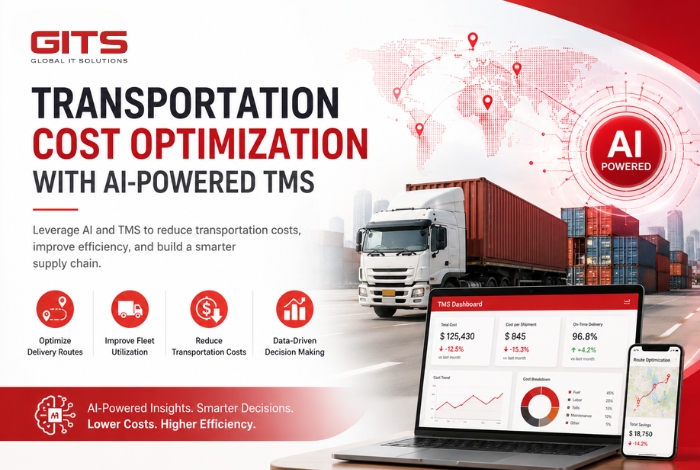
Transportation Cost Optimization as a Competitive Advantage in the AI Era
As logistics networks become increasingly complex and customer expectations continue to rise, controlling transportation costs is no longer simply an operational objective. It has become a strategic business priority that directly impacts profitability, service quality, supply chain resilience, and long-term growth.
A modern Transportation Management System provides the foundation for effective Transportation Cost Optimization by centralizing transportation operations, improving visibility, automating workflows, and enabling smarter resource utilization. When combined with AI Agents and broader AX initiatives, transportation operations can evolve from reactive execution into predictive and intelligent logistics management.
For manufacturers, retailers, distributors, logistics service providers, and enterprises worldwide, transportation optimization delivers benefits far beyond cost reduction. It helps organizations improve delivery performance, strengthen customer satisfaction, increase operational agility, and build a scalable supply chain prepared for future growth.
As AI Transformation continues to accelerate across industries, businesses that invest in intelligent transportation management today will be better positioned to reduce costs, improve competitiveness, and unlock sustainable value throughout the supply chain.