







Effective Inventory Management: Methods & Technology Solutions

As supply chains become increasingly complex, effective inventory management is no longer just about tracking incoming and outgoing goods. It directly impacts operational costs, cash flow, order fulfillment, and overall business competitiveness.
Yet, many businesses still struggle with inaccurate stock records, excess inventory, misplaced products, and limited real-time visibility. Traditional tools such as spreadsheets and manual processes often fail to keep up as warehouse operations expand.
So, how can businesses improve inventory control, reduce operational waste, and optimize warehouse performance? Combining proven inventory management methods with modern Warehouse Management System (WMS) technology is a key step toward smarter, more efficient operations.
What Is Inventory Management and Why Does It Matter?
Inventory management is the process of monitoring, controlling, and optimizing the flow of goods, raw materials, and finished products throughout a business. It covers every stage, from receiving and storage to stock transfers and order fulfillment.
For manufacturers, inventory availability directly affects production schedules and supply continuity. For retailers and e-commerce businesses, accurate stock information determines order fulfillment speed, customer satisfaction, and revenue.
Poor inventory management can lead to several costly challenges:
- Excess inventory: Unnecessary stock increases storage costs, ties up working capital, and raises the risk of obsolescence.
- Stock shortages: Inaccurate demand planning can cause missed sales opportunities and production delays.
- Inventory discrepancies: Differences between recorded and actual stock levels make inventory reconciliation difficult.
- Inefficient warehouse operations: Manual processes increase the risk of errors and slow down daily workflows.
- Limited operational visibility: Without reliable data, managers struggle to identify problems and make timely decisions.
Effective inventory control therefore plays a vital role in reducing costs while strengthening overall supply chain performance.
Six Effective Inventory Management Methods
Businesses can improve inventory accuracy and warehouse efficiency by combining the right management practices with their operational requirements.
ABC Inventory Classification
The ABC method categorizes inventory into three groups based on value or consumption contribution. Category A items require the highest level of control, while B and C items can be managed with progressively simpler monitoring processes.
This approach helps businesses prioritize resources and focus on inventory that has the greatest financial impact.
Apply FIFO and FEFO Principles
FIFO (First In, First Out) ensures that products received first are issued first, making it suitable for many manufacturing and distribution operations.
FEFO (First Expired, First Out) prioritizes products with the nearest expiration dates. It is particularly important for food, pharmaceutical, and other perishable goods.
Set Minimum and Maximum Stock Levels
Establishing safety stock, reorder points, and optimal inventory levels helps businesses prevent shortages without holding excessive quantities of products or raw materials.
Conduct Regular and Cycle Counting
Instead of relying exclusively on annual stocktakes, businesses can use cycle counting to inspect selected inventory categories regularly. This helps identify discrepancies early without disrupting daily warehouse activities.
Optimize Warehouse Storage Locations
Organizing products according to demand frequency, product characteristics, and picking requirements can reduce unnecessary movement. Fast-moving items should be placed in easily accessible locations to improve picking productivity.
Leverage Technology for Inventory Control
Barcode scanning, QR codes, RFID, and inventory management software help automate stock tracking, reduce manual data entry, and improve inventory traceability.
Warehouse Management System (WMS): A Smarter Approach to Inventory Optimization
As SKU volumes, order numbers, and warehouse locations increase, traditional inventory management methods become increasingly difficult to maintain. A modern Warehouse Management System (WMS) provides the technology foundation businesses need to manage these complexities.
A WMS is software designed to control and optimize warehouse operations through a centralized platform. It supports the entire warehouse workflow, from receiving and putaway to picking, packing, stock transfers, and shipping.
Key WMS capabilities include:
- Inbound and outbound management: Track receiving, issuing, and stock movements.
- Putaway and slotting optimization: Assign suitable storage locations based on operational requirements.
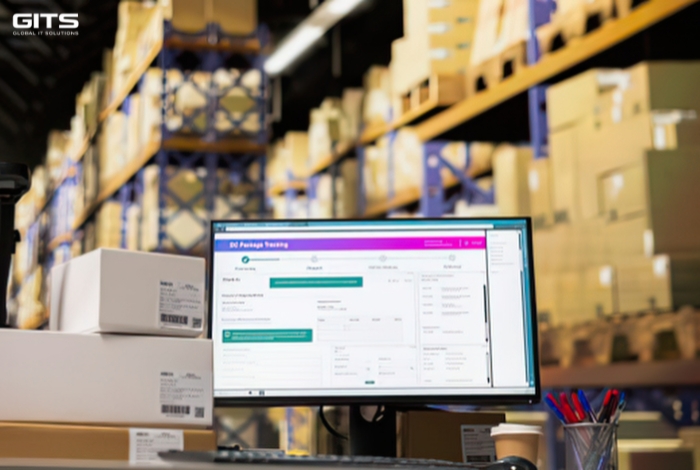
- Real-time inventory visibility: Monitor stock quantities and statuses across warehouse locations.
- Picking and packing management: Streamline order preparation and fulfillment.
- Inventory tracking and traceability: Monitor product movements, batches, and expiration dates.
- Reporting and analytics: Evaluate stock performance, warehouse productivity, and operational efficiency.
Unlike spreadsheets that primarily store and process inventory data, a WMS actively coordinates warehouse activities. This enables managers to gain greater operational visibility, improve accuracy, and make data-driven decisions.
The Future of Smart Warehousing: AI and Automation
As digital transformation accelerates, WMS platforms are evolving beyond traditional inventory tracking toward intelligent warehouse orchestration.
AI and Machine Learning can analyze historical data, forecast demand, identify consumption patterns, and recommend appropriate stock levels. These capabilities help businesses reduce excess inventory and minimize the risk of shortages.
Meanwhile, AI Agents introduce new opportunities for workflow automation. They can analyze inventory data, detect anomalies, recommend replenishment actions, and support operational decisions based on predefined business rules.
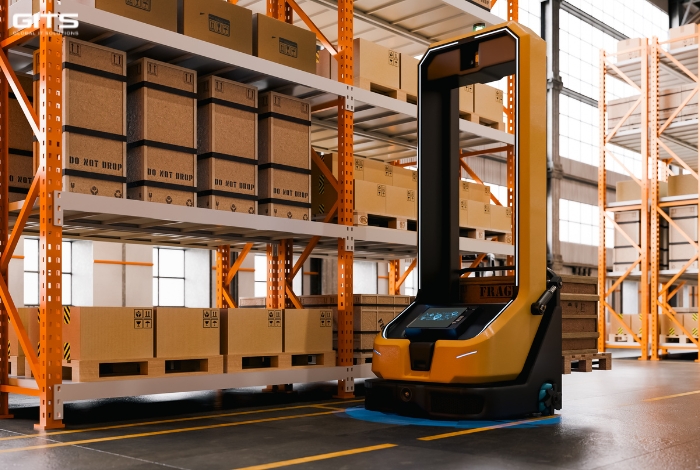
Other technologies, including IoT, RFID, and Autonomous Mobile Robots (AMRs), further enhance inventory visibility and automate internal warehouse transportation.
When integrated with ERP, Transportation Management Systems (TMS), and other enterprise platforms, WMS becomes part of a connected Logistics ecosystem, enabling seamless data flow from inventory management to transportation and distribution.
>>> See More: 5 Warehouse Management Challenges and How WMS Solves Them
How to Choose the Right Inventory Management Software
Not every inventory management solution fits every business. Selecting the right WMS requires evaluating operational needs, integration requirements, and long-term growth plans.
Key considerations include:
- Scalability: Support growing SKU volumes, orders, warehouses, and business locations.
- Flexibility: Adapt to industry-specific workflows and business processes.
- System integration: Connect with ERP, TMS, OMS, e-commerce, and sales platforms.
- Real-time data visibility: Maintain accurate and consistent inventory information.
- Security and access control: Protect business data through appropriate permissions.
- Implementation capabilities: Ensure a clear deployment roadmap with minimal operational disruption.
Businesses should also evaluate Total Cost of Ownership (TCO), technical support, and Return on Investment (ROI), rather than focusing solely on initial software licensing costs.
Empowering Businesses Through Warehouse Digital Transformation
As businesses face increasing pressure to optimize costs and strengthen supply chain performance, digital warehouse management is becoming a strategic investment rather than an optional upgrade.
With a focus on B2B technology solutions, GITS supports businesses in digitalizing logistics and operational management. Through WMS solutions tailored to real business requirements, organizations can standardize warehouse workflows, centralize inventory control, optimize storage allocation, and improve data connectivity.
Beyond software implementation, GITS aims to help businesses build an integrated, scalable technology ecosystem that leverages AI and digital innovation to drive sustainable operational improvements.

Smarter Inventory Management Starts with the Right Technology
Effective inventory management requires more than accurate stock records. It depends on the right management methods, standardized workflows, and technology that can adapt to changing business demands.
A modern Warehouse Management System provides the foundation for improving inventory accuracy, reducing storage costs, and strengthening order fulfillment capabilities.
Looking ahead, integrating WMS with AI, automation, and connected Logistics systems will help businesses move beyond manual warehouse management toward smarter, more agile, and data-driven operations.
Is your business ready to transform its warehouse operations? Partner with GITS to explore the right technology solutions for greater efficiency and sustainable business growth.