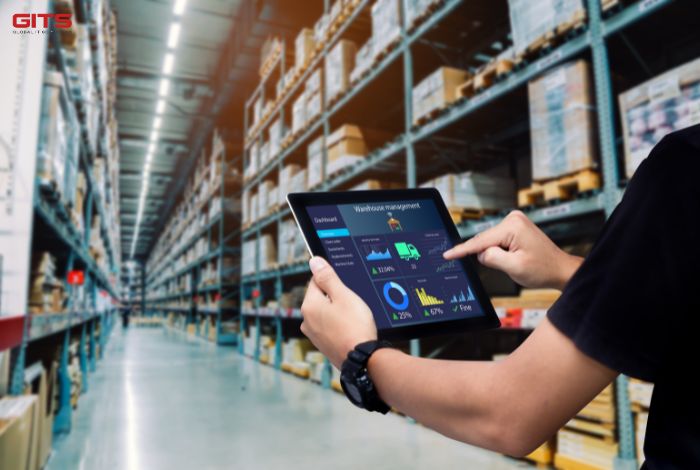







Global warehouse operations are entering a new era where speed alone is no longer enough. Businesses across Japan, South Korea, Vietnam, and international markets are now under pressure to deliver faster fulfillment, maintain inventory accuracy, reduce labor dependency, and optimize operational costs at the same time.
For many logistics companies, traditional warehouse management systems are struggling to keep up with modern supply chain complexity. Rising labor costs, increasing order volumes, fragmented operational visibility, and unpredictable demand fluctuations are creating significant financial pressure across the logistics industry.
According to industry research from McKinsey, AI-powered supply chain optimization can reduce logistics costs by up to 15%, improve inventory levels by 35%, and significantly increase service efficiency. Meanwhile, global warehouse automation adoption continues accelerating as enterprises search for smarter and more scalable operational models.
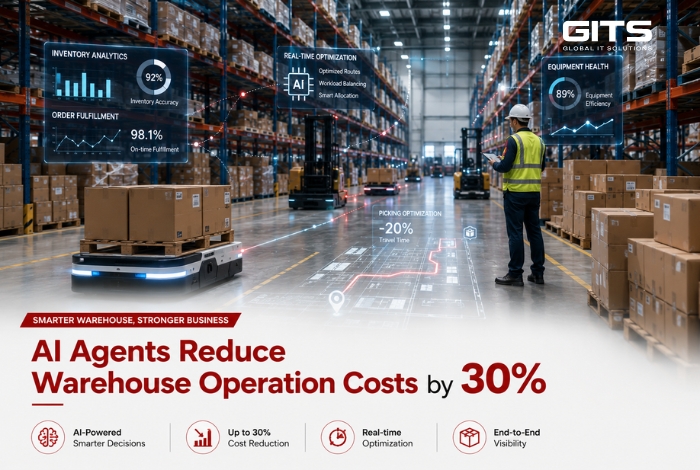
This is where AI Agents are reshaping warehouse operations. Unlike conventional automation tools that rely on static workflows, AI Agents continuously analyze operational data, make autonomous decisions, predict disruptions, and optimize warehouse activities in real time. From inventory allocation and labor orchestration to predictive maintenance and fulfillment optimization, AI-driven warehouse systems are helping businesses reduce operational costs by up to 30% while improving overall performance.
For modern logistics enterprises, AI warehouse automation is no longer simply a technology trend. It is becoming a critical competitive advantage.
What Are AI Agents in Warehouse Management?
AI Agents in warehouse management are intelligent autonomous systems designed to monitor, analyze, and optimize warehouse operations through real-time decision-making and machine learning.
Traditional warehouse automation systems typically follow predefined rules and workflows. While these systems improve efficiency to some extent, they often lack adaptability when operational conditions change unexpectedly.
AI Agents operate differently.
They continuously process large volumes of operational data from Warehouse Management Systems (WMS), IoT devices, robotics platforms, ERP systems, barcode scanners, and transportation networks. Using machine learning and predictive intelligence, these systems can dynamically adjust warehouse operations without requiring constant manual intervention.
In practical warehouse environments, AI Agents can:
– Predict inventory demand fluctuations
– Optimize warehouse slotting strategies
– Coordinate picking and packing workflows
– Allocate labor resources dynamically
– Identify operational bottlenecks
– Predict equipment failures before downtime occurs
– Improve warehouse energy efficiency
– Enhance fulfillment speed and accuracy
Leading enterprises such as Amazon, DHL, and Siemens are already investing heavily in AI-driven warehouse orchestration to create more intelligent and scalable logistics ecosystems.
Why Warehouse Operation Costs Continue to Rise
Warehouse operation costs have increased dramatically over the past few years due to multiple global challenges affecting supply chains and fulfillment networks.
In Japan and South Korea, labor shortages are becoming one of the largest operational risks for logistics providers. Aging populations and shrinking labor pools are forcing companies to seek alternatives to labor-intensive warehouse operations.
Meanwhile, Vietnam and emerging Southeast Asian markets are experiencing rapid eCommerce growth, creating enormous pressure on fulfillment speed, inventory turnover, and warehouse scalability.
At the same time, global logistics businesses continue facing:
– Rising labor expenses
– Increasing warehouse rental costs
– Inventory inaccuracy
– High return rates
– Energy inefficiencies
– Fulfillment delays
– Equipment downtime
– Fragmented operational visibility
Many warehouses still rely on siloed software systems and manual decision-making processes that cannot react efficiently to real-time operational changes.
As order volumes become more unpredictable and customer expectations continue rising, operational inefficiencies quickly translate into higher costs and lower profitability.
This is why AI-powered warehouse optimization is becoming increasingly essential across global logistics operations.
How AI Agents Reduce Warehouse Operation Costs by 30%
AI Inventory Optimization Reduces Excess Storage Costs
Inventory inefficiency remains one of the largest hidden expenses in warehouse management.
Many businesses still rely on historical forecasting models that fail to adapt quickly to changing market conditions, seasonal demand shifts, or sudden supply chain disruptions. As a result, warehouses often experience overstocking, stock shortages, or inefficient inventory allocation.
AI Agents solve this problem by continuously analyzing operational and market data in real time.
These systems evaluate purchasing trends, supplier lead times, customer demand patterns, seasonal fluctuations, and warehouse throughput simultaneously. Based on predictive analytics, AI Agents can optimize replenishment timing and inventory allocation far more accurately than traditional forecasting methods.
According to supply chain research from Gartner, AI-driven inventory management systems can improve inventory accuracy by more than 35% while significantly reducing holding costs.
For industries with high inventory turnover such as retail, manufacturing, healthcare, and eCommerce, this creates measurable operational savings and stronger cash flow performance.
AI Warehouse Labor Optimization Improves Workforce Efficiency
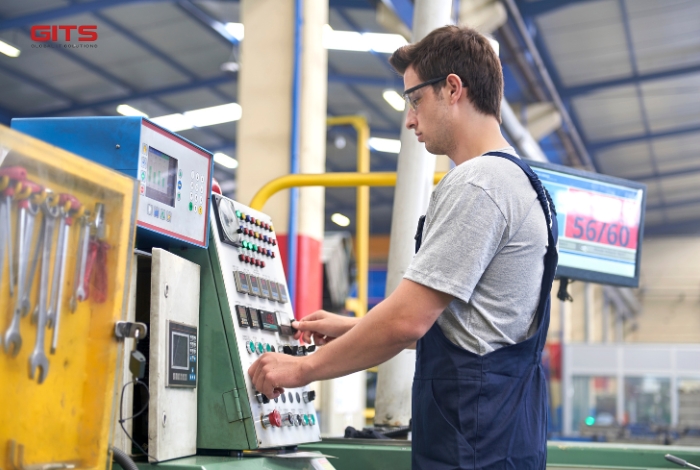
Labor costs account for a major percentage of total warehouse operating expenses.
However, the problem in many warehouses is not simply labor shortages. The deeper issue is inefficient workforce orchestration.
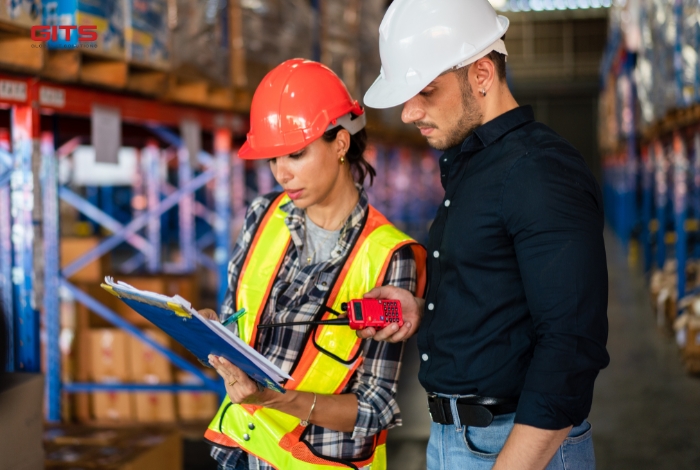
Warehouse managers often struggle with uneven task distribution, inefficient shift scheduling, excessive overtime, and operational congestion during peak fulfillment periods.
AI Agents address these challenges through dynamic labor optimization.
Instead of assigning tasks using static workflows, AI systems continuously evaluate real-time warehouse conditions, order priorities, employee productivity, congestion levels, and equipment availability.
This allows warehouses to intelligently distribute workloads and optimize workforce utilization throughout the day.
For Japanese logistics operators facing severe workforce shortages, AI labor orchestration is becoming particularly valuable because it enables companies to maintain operational performance with leaner staffing models.
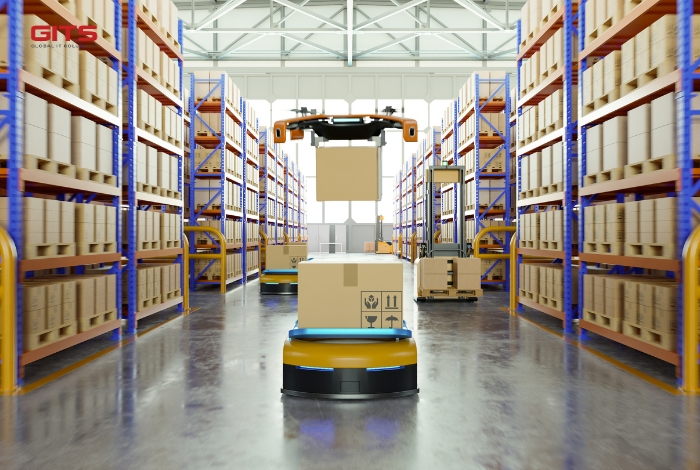
Many modern warehouses are now shifting toward collaborative intelligence environments where AI Agents coordinate workflows between human operators, robotics systems, and autonomous mobile equipment simultaneously.
The result is higher productivity, lower overtime costs, and significantly improved operational efficiency.
Faster Picking and Packing Improve Fulfillment Performance
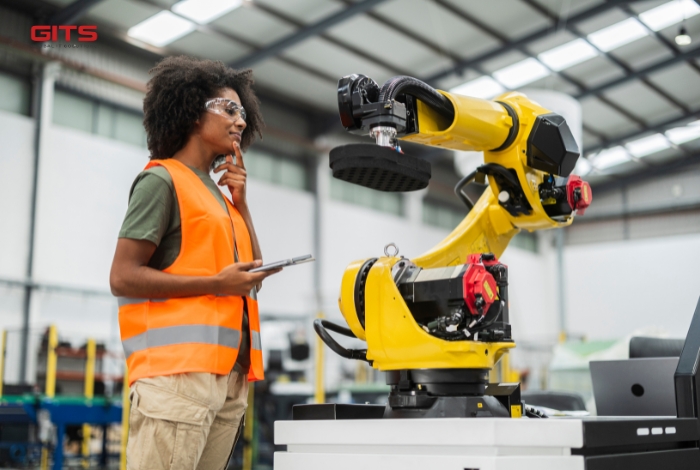
Order picking remains one of the most time-consuming and expensive warehouse activities.
Traditional warehouse layouts often create unnecessary worker movement, inefficient picking routes, and operational bottlenecks that slow down fulfillment speed. AI Agents optimize warehouse picking operations by analyzing order flows, inventory locations, real-time congestion, and warehouse layouts continuously.
These systems can automatically generate the most efficient picking sequences while dynamically adjusting routes as warehouse conditions change throughout the day. Some advanced AI warehouse environments also integrate autonomous robotics systems capable of working collaboratively with warehouse staff to accelerate picking and packing workflows.
Research from Deloitte indicates that AI-powered fulfillment optimization can improve warehouse productivity by up to 40% while reducing order processing errors significantly. This creates major competitive advantages for businesses operating in high-volume eCommerce and omnichannel retail markets where delivery speed directly impacts customer satisfaction.
Predictive Maintenance Minimizes Equipment Downtime
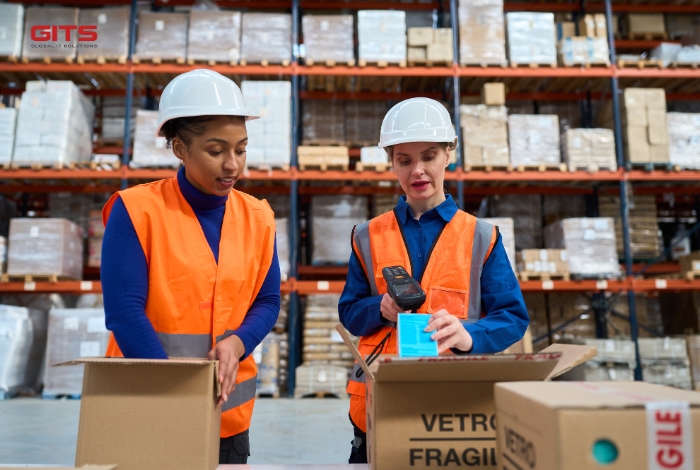
Unexpected equipment failure is one of the most costly operational disruptions in warehouse environments.
Conveyor systems, forklifts, robotics platforms, automated sorting systems, and warehouse machinery all require continuous monitoring to maintain stable operations.
AI Agents use predictive maintenance models powered by IoT sensor data to identify potential issues before failures occur.
By analyzing vibration patterns, temperature fluctuations, usage cycles, and performance anomalies, AI systems can predict maintenance needs proactively rather than waiting for breakdowns to happen.
This allows warehouse operators to reduce downtime, extend equipment lifespan, and lower emergency repair costs significantly.
For high-volume logistics hubs, even small reductions in operational downtime can generate substantial annual cost savings.
The 5-Layer AI Warehouse Optimization Framework
The most successful AI-driven warehouse operations typically follow a structured operational intelligence framework.
The first layer focuses on data visibility, where warehouse systems centralize operational information from inventory, fulfillment, transportation, robotics, and workforce management platforms.
The second layer introduces predictive intelligence, enabling AI systems to forecast operational risks, inventory demand, and workflow congestion before disruptions occur.
The third layer involves autonomous decision-making, where AI Agents dynamically optimize operational activities in real time.
The fourth layer focuses on workflow automation, integrating AI with robotics systems, warehouse equipment, and logistics software platforms.
The final layer is continuous learning optimization, where AI systems improve operational performance over time based on historical patterns and live operational feedback.
This multi-layer operational model is becoming the foundation of next-generation autonomous warehousing.
Why AI Warehouse Automation Is Accelerating in Japan, Korea, and Vietnam
AI logistics adoption is growing rapidly across Asia-Pacific markets due to rising operational complexity and labor challenges.
In Japan, warehouse automation is increasingly viewed as a long-term solution to labor shortages caused by demographic decline. Japanese enterprises are also highly focused on operational precision, making AI-driven warehouse optimization strongly aligned with local business priorities.
South Korea’s advanced manufacturing and eCommerce sectors require ultra-fast fulfillment cycles and scalable warehouse operations. AI-powered logistics systems help Korean enterprises improve operational agility while maintaining high fulfillment accuracy.
Vietnam is emerging as one of Southeast Asia’s fastest-growing logistics markets. However, many warehouse operations still rely heavily on manual processes and fragmented management systems.
For Vietnamese enterprises, AI Agents create an opportunity to modernize warehouse operations rapidly while building scalable logistics infrastructure capable of supporting long-term eCommerce and manufacturing growth.
Real-World Signs Your Warehouse Needs AI Agents
Many businesses delay AI adoption until operational inefficiencies become severe enough to impact profitability directly.
In reality, the warning signs usually appear much earlier.
Warehouses often require AI-driven optimization when inventory accuracy begins declining, fulfillment delays increase during peak seasons, labor costs continue rising, or warehouse managers struggle to gain real-time operational visibility.
Another common indicator is when warehouse teams spend more time reacting to operational problems rather than proactively optimizing workflows.
Companies experiencing these challenges are often operating with hidden inefficiencies that AI Agents can identify and optimize rapidly.
The Future of Autonomous Warehouse Operations
The future of warehouse operations will not simply focus on automation alone. Warehouses are evolving toward fully connected, intelligent ecosystems capable of autonomous operational optimization.
AI Agents will increasingly function as operational orchestration layers capable of coordinating inventory, labor, robotics, transportation, and fulfillment activities simultaneously.
This transformation is also reshaping the role of Warehouse Management Systems.
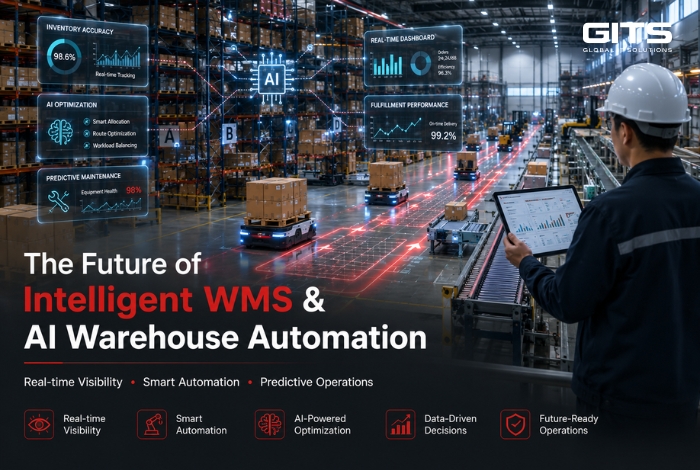
Modern WMS platforms are no longer just inventory management tools. They are becoming intelligent operational hubs capable of integrating AI analytics, automation systems, predictive forecasting, and real-time operational intelligence into a unified logistics environment.
Technology-focused logistics enterprises are now seeking scalable WMS solutions capable of supporting long-term AI transformation strategies.
Solutions such as GITS WMS are positioned to support this transition by helping businesses modernize warehouse operations with scalable digital infrastructure, intelligent workflow management, and AI-ready operational capabilities designed for future logistics ecosystems.
>>> See More: AI Logistics Trends in Asia 2026: Reducing Supply Chain Costs
FAQ About AI Agents in Warehouse Operations
Can AI Agents fully replace warehouse workers?
AI Agents are designed to augment warehouse operations rather than completely replace human workers. The highest operational efficiency is typically achieved when AI systems collaborate with human teams and robotics platforms together.
How long does AI warehouse implementation usually take?
Implementation timelines vary depending on warehouse size and operational complexity. Most enterprise AI warehouse projects require several months for integration, optimization, and workforce adaptation.
Which industries benefit most from AI warehouse automation?
Industries with high inventory turnover and complex fulfillment operations such as eCommerce, manufacturing, retail, healthcare, and third-party logistics benefit significantly from AI warehouse optimization.
Are AI warehouse systems suitable for mid-sized businesses?
Yes. Modern cloud-based AI logistics platforms are becoming increasingly scalable and accessible for mid-sized enterprises seeking operational efficiency improvements.
AI Agents Are Redefining Warehouse Cost Efficiency
AI Agents are transforming warehouse operations from reactive and labor-intensive environments into intelligent ecosystems capable of continuous optimization.
By improving inventory management, workforce orchestration, predictive maintenance, and fulfillment performance, AI-powered warehouse systems are helping businesses reduce operational costs by up to 30% while improving scalability and operational resilience.
For logistics enterprises across Japan, South Korea, Vietnam, and global markets, AI warehouse automation is rapidly becoming a strategic necessity rather than an optional innovation.
Companies that invest in AI-driven warehouse optimization today will be significantly better positioned to compete in the future of autonomous global supply chains.